Faculty of Applied Ecology, Agricultural Sciences and Biotechnology, Inland Norway University of Applied Sciences, Campus Evenstad, 2480, Koppang, Norway.
Norwegian Institute for Nature Research, Fakkelgården, 2426, Lillehammer, Norway.
Ambio. 2024 Oct;53(10):1414-1432. doi: 10.1007/s13280-024-02036-1. Epub 2024 Jun 4.
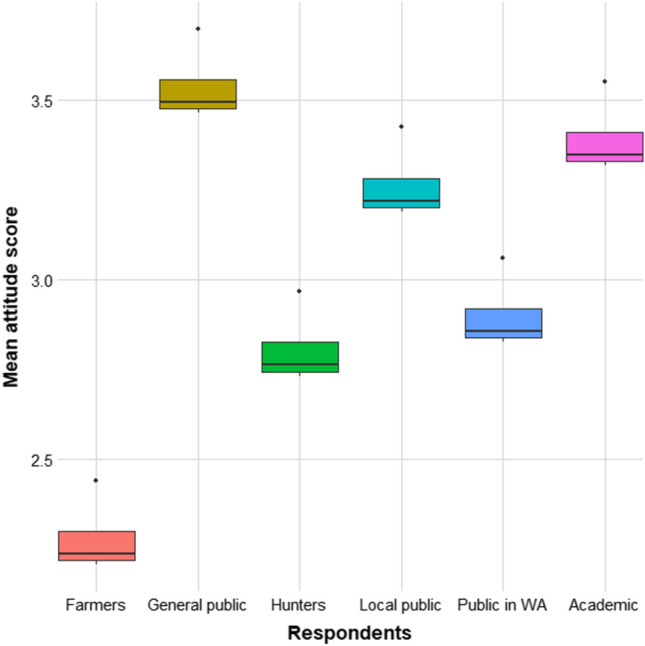
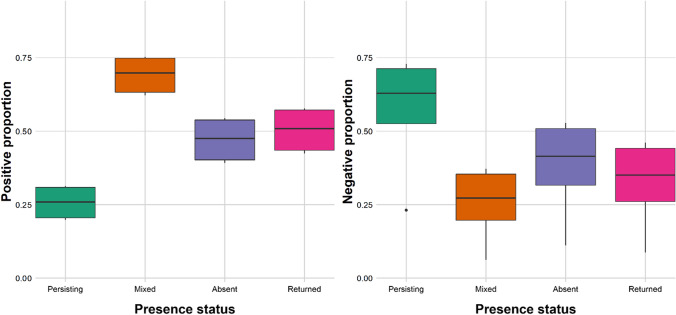
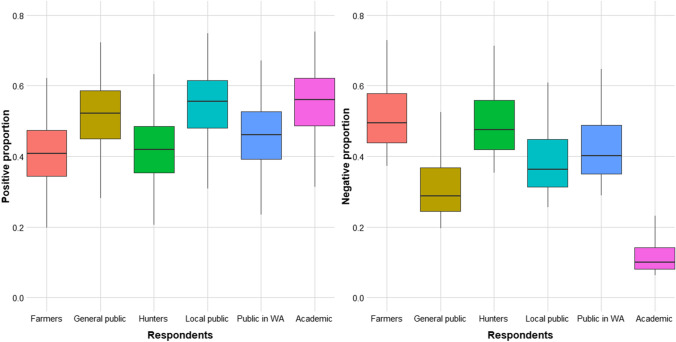
This systematic review of peer reviewed articles on attitudes towards gray wolves (Canis lupus), shows that attitudes are mainly measured either by mean values of attitudes or by proportional differences in attitudes. This may impact on how attitudes are perceived and interpreted across studies and areas. However, independent of method used, we found that people living in areas where wolves always have existed, are more negative towards wolves compared to people living in areas where there are no wolves, or where wolves have recovered after years of absence. People who express fear, or being directly affected by having wolves, such as farmers and hunters, report more negative attitudes compared to other groups of respondents. For wolf conservation we recommend politicians and management authorities to prepare local societies of the different consequences of living in wolf areas. We recommend using dialogues and conflict management methods to minimize the level of conflicts.
这篇对同行评议文献中关于灰狼(Canis lupus)态度的系统综述表明,态度主要通过态度的平均值或态度的比例差异来衡量。这可能会影响到不同研究和地区对态度的感知和解释。然而,无论使用哪种方法,我们发现,与生活在没有狼或狼在多年消失后重新出现的地区的人相比,生活在一直有狼存在的地区的人对狼的态度更为消极。那些表达恐惧或直接受到狼影响的人,如农民和猎人,与其他受访者群体相比,报告的负面态度更多。为了保护狼,我们建议政治家和管理当局为生活在不同狼区的社会做好准备,了解不同的后果。我们建议使用对话和冲突管理方法将冲突级别降到最低。