Luo Jie, Montag Michael, Milstein David
Department of Molecular Chemistry and Materials Science, Weizmann Institute of Science, Rehovot 7610001, Israel.
Acc Chem Res. 2024 Jun 18;57(12):1709-1721. doi: 10.1021/acs.accounts.4c00198. Epub 2024 Jun 4.
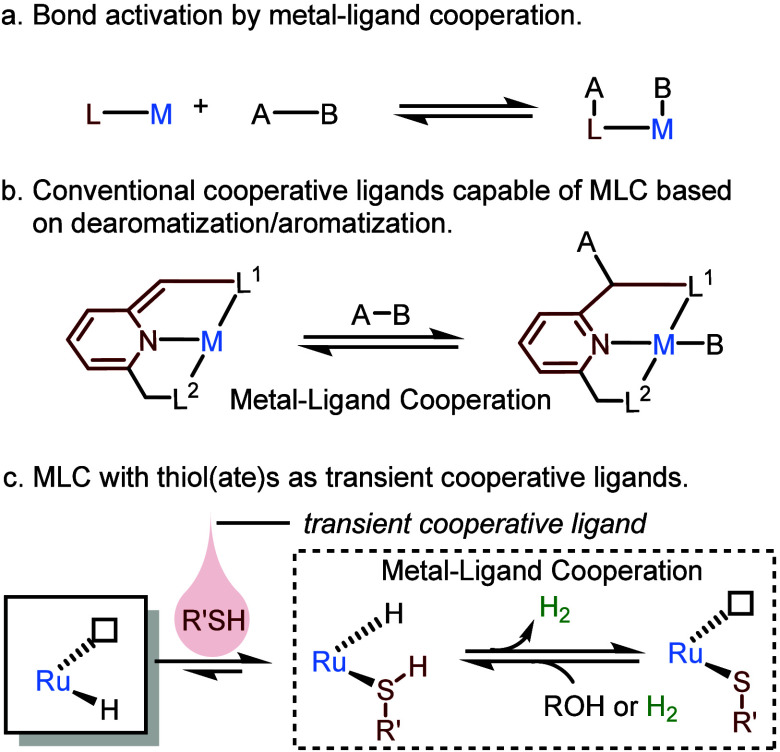
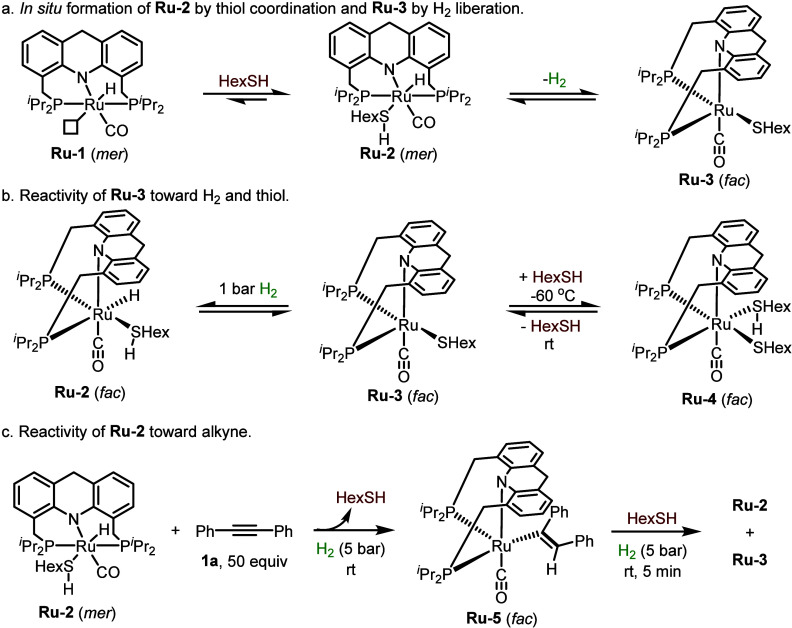
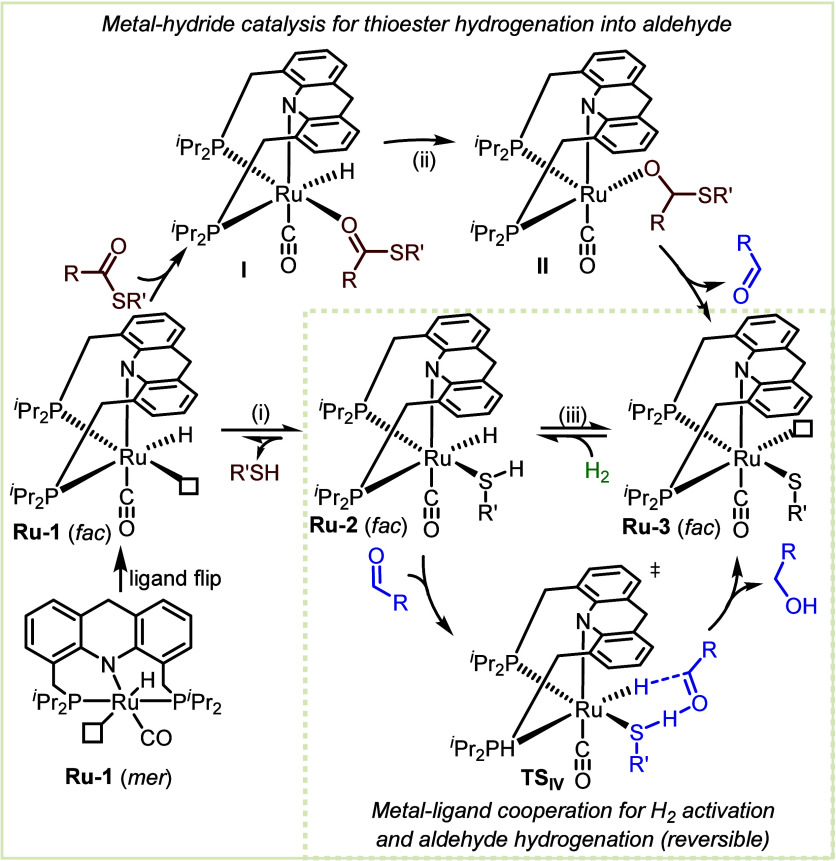
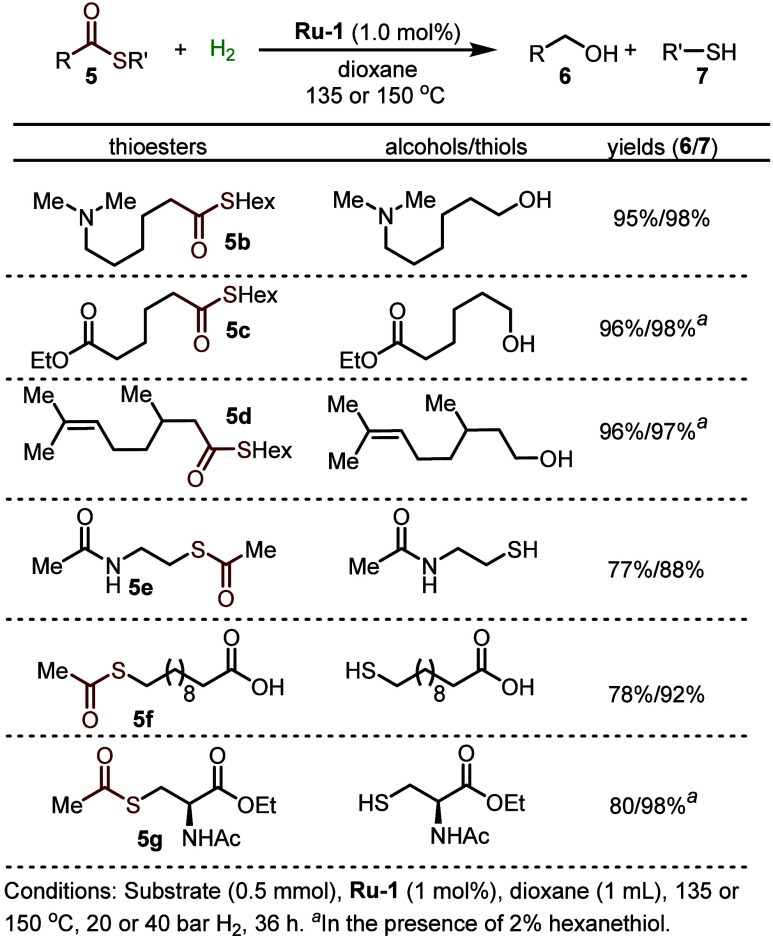
ConspectusOver the past two decades, we have developed a series of pincer-type transition metal complexes capable of activating strong covalent bonds through a mode of reactivity known as metal-ligand cooperation (MLC). In such systems, an incoming substrate molecule simultaneously interacts with both the metal center and ligand backbone, with one part of the molecule reacting at the metal center and another part at the ligand. The majority of these complexes feature pincer ligands with a pyridine core, and undergo MLC through reversible dearomatization/aromatization of this pyridine moiety. This MLC platform has enabled us to perform a variety of catalytic dehydrogenation, hydrogenation, and related reactions, with high efficiency and selectivity under relatively mild conditions.In a typical catalytic complex that operates through MLC, the cooperative ligand remains coordinated to the metal center throughout the entire catalytic process, and this complex is the only catalytic species involved in the reaction. As part of our ongoing efforts to develop new catalytic systems featuring MLC, we have recently introduced the concept of (TCL), i.e., a ligand that is capable of MLC when coordinated to a metal center, but the coordination of which is reversible rather than permanent. We have thus far employed thiol(ate)s as TCLs, in conjunction with an acridanide-based ruthenium(II)-pincer catalyst, and this has resulted in remarkable acceleration and inhibition effects in various hydrogenation and dehydrogenation reactions. A cooperative thiol(ate) ligand can be installed by the simple addition of an appropriate thiol in an amount equivalent to the catalyst, and this has been repeatedly shown to enable efficient bond activation by MLC without the need for other additives, such as base. The use of an ancillary thiol ligand that is not fixed to the pincer backbone allows the catalytic system to benefit from a high degree of tunability, easily implemented by varying the added thiol. Importantly, thiols are coordinatively labile enough under typical catalytic conditions to leave a meaningful portion of the catalyst in its original unsaturated form, thereby allowing it to carry out its own characteristic catalytic activity. This generates two coexisting catalyst populations─one that contains a thiol(ate) ligand and another that does not─and this may lead to different catalytic outcomes, namely, enhancement of the original catalytic activity, inhibition of this activity, or the occurrence of diverging reactivities within the same catalytic reaction mixture. These thiol effects have enabled us to achieve a series of unique transformations, such as thiol-accelerated base-free aqueous methanol reforming, controlled stereodivergent semihydrogenation of alkynes using thiol as a reversible catalyst inhibitor, and hydrogenative perdeuteration of C═C bonds without using D, enabled by a combination of thiol-induced acceleration and inhibition. We have also successfully realized the unprecedented formation of thioesters through dehydrogenative coupling of alcohols and thiols, as well as the hydrogenation of organosulfur compounds, wherein the cooperative thiol serves as a reactant or product. In this , we present an overview of the TCL concept and its various applications using thiols.
综述
在过去的二十年里,我们开发了一系列钳形过渡金属配合物,这些配合物能够通过一种称为金属-配体协同作用(MLC)的反应模式来活化强共价键。在这类体系中,进入的底物分子同时与金属中心和配体主链相互作用,分子的一部分在金属中心发生反应,另一部分在配体上发生反应。这些配合物中的大多数具有以吡啶为核心的钳形配体,并通过该吡啶部分的可逆去芳构化/芳构化进行MLC。这个MLC平台使我们能够在相对温和的条件下高效、选择性地进行各种催化脱氢、氢化及相关反应。
在一个通过MLC运行的典型催化配合物中,协同配体在整个催化过程中始终与金属中心配位,并且该配合物是反应中唯一涉及的催化物种。作为我们不断努力开发具有MLC的新催化体系的一部分,我们最近引入了临时协同配体(TCL)的概念,即一种与金属中心配位时能够进行MLC,但配位是可逆而非永久的配体。到目前为止,我们使用硫醇盐作为TCL,与基于吖啶的钌(II)-钳形催化剂结合,这在各种氢化和脱氢反应中产生了显著的加速和抑制作用。通过简单加入与催化剂等量的合适硫醇,可以安装一个协同硫醇盐配体,并且已经反复证明这能够通过MLC实现有效的键活化,而无需其他添加剂,如碱。使用不固定在钳形主链上的辅助硫醇配体使催化体系受益于高度的可调性,通过改变添加的硫醇很容易实现。重要的是,硫醇在典型的催化条件下配位不稳定,足以使相当一部分催化剂保持其原始的不饱和形式,从而使其能够进行自身特有的催化活性。这产生了两个共存的催化剂群体——一个含有硫醇盐配体,另一个不含有——这可能导致不同的催化结果,即增强原始催化活性、抑制该活性或在同一催化反应混合物中出现不同的反应性。这些硫醇效应使我们能够实现一系列独特的转化,例如硫醇加速的无碱水相甲醇重整、使用硫醇作为可逆催化剂抑制剂对炔烃进行可控的立体发散半氢化,以及在不使用D的情况下通过硫醇诱导的加速和抑制相结合实现C═C键的氢化全氘化。我们还成功地通过醇和硫醇的脱氢偶联实现了前所未有的硫酯形成,以及有机硫化合物 的氢化,其中协同硫醇作为反应物或产物。在本综述中,我们概述了TCL概念及其使用硫醇的各种应用。