Translational and Clinical Research Institute, Faculty of Medical Sciences, Newcastle University, The Catalyst, 3 Science Square, Room 3.27, Newcastle Upon Tyne, NE4 5TG, UK.
Janssen Research & Development, High Wycombe, UK.
J Neuroeng Rehabil. 2024 Jun 5;21(1):94. doi: 10.1186/s12984-024-01390-1.
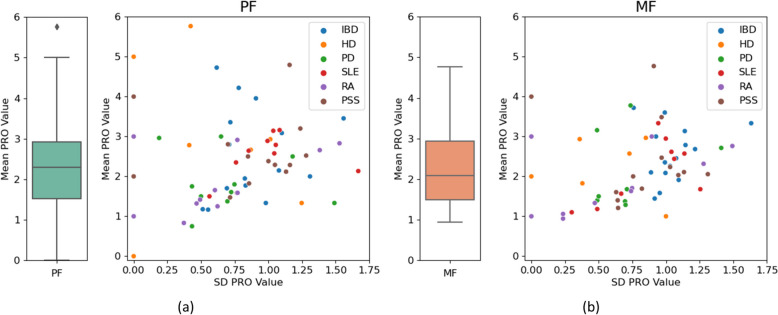
Many individuals with neurodegenerative (NDD) and immune-mediated inflammatory disorders (IMID) experience debilitating fatigue. Currently, assessments of fatigue rely on patient reported outcomes (PROs), which are subjective and prone to recall biases. Wearable devices, however, provide objective and reliable estimates of gait, an essential component of health, and may present objective evidence of fatigue. This study explored the relationships between gait characteristics derived from an inertial measurement unit (IMU) and patient-reported fatigue in the IDEA-FAST feasibility study.
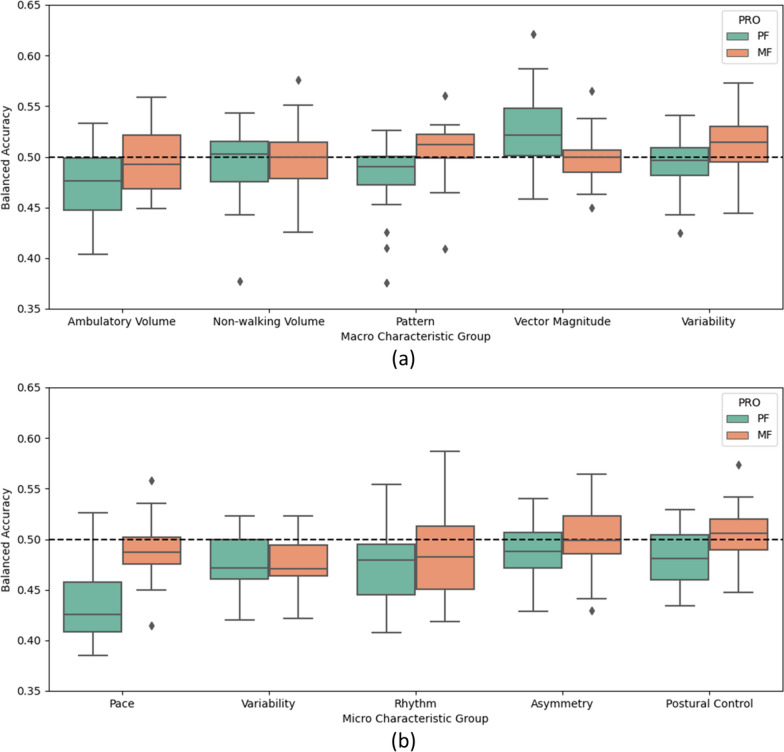
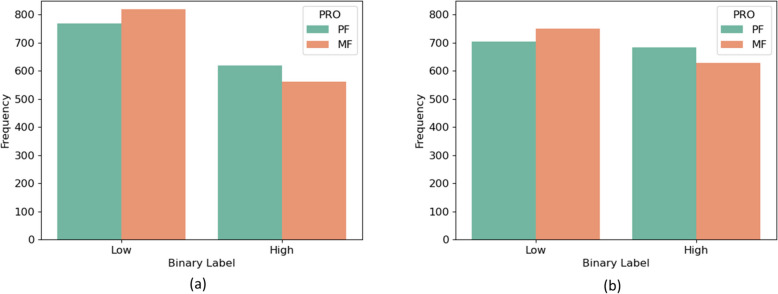
Participants with IMIDs and NDDs (Parkinson's disease (PD), Huntington's disease (HD), rheumatoid arthritis (RA), systemic lupus erythematosus (SLE), primary Sjogren's syndrome (PSS), and inflammatory bowel disease (IBD)) wore a lower-back IMU continuously for up to 10 days at home. Concurrently, participants completed PROs (physical fatigue (PF) and mental fatigue (MF)) up to four times a day. Macro (volume, variability, pattern, and acceleration vector magnitude) and micro (pace, rhythm, variability, asymmetry, and postural control) gait characteristics were extracted from the accelerometer data. The associations of these measures with the PROs were evaluated using a generalised linear mixed-effects model (GLMM) and binary classification with machine learning.
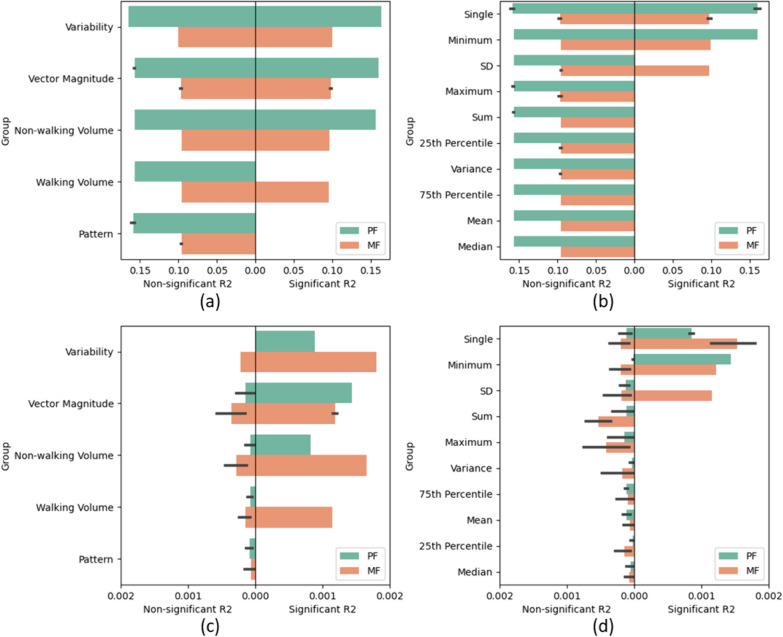
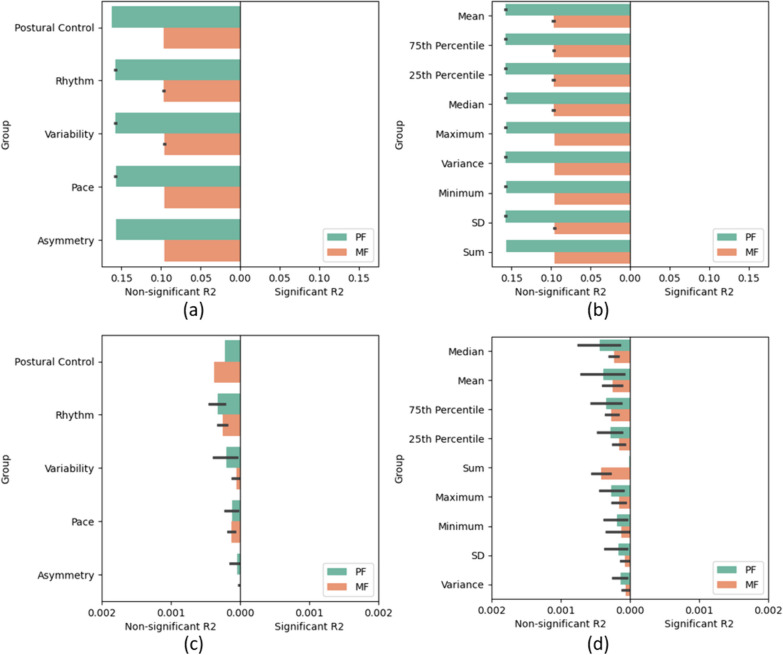
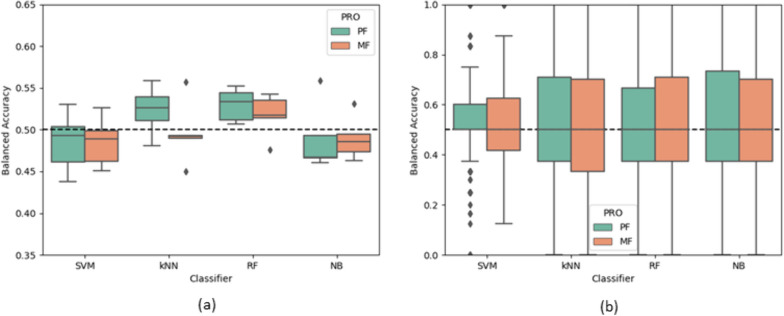
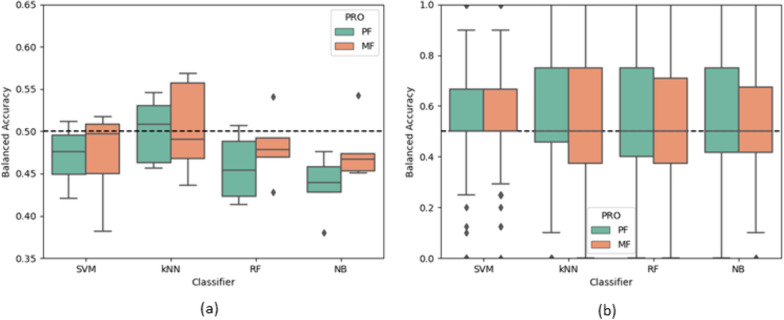
Data were recorded from 72 participants: PD = 13, HD = 9, RA = 12, SLE = 9, PSS = 14, IBD = 15. For the GLMM, the variability of the non-walking bouts length (in seconds) with PF returned the highest conditional R2, 0.165, and with MF the highest marginal R2, 0.0018. For the machine learning classifiers, the highest accuracy of the current analysis was returned by the micro gait characteristics with an intrasubject cross validation method and MF as 56.90% (precision = 43.9%, recall = 51.4%). Overall, the acceleration vector magnitude, bout length variation, postural control, and gait rhythm were the most interesting characteristics for future analysis.
Counterintuitively, the outcomes indicate that there is a weak relationship between typical gait measures and abnormal fatigue. However, factors such as the COVID-19 pandemic may have impacted gait behaviours. Therefore, further investigations with a larger cohort are required to fully understand the relationship between gait and abnormal fatigue.
许多患有神经退行性(NDD)和免疫介导的炎症性疾病(IMID)的个体经历衰弱性疲劳。目前,疲劳评估依赖于患者报告的结果(PROs),这些结果是主观的,容易受到回忆偏差的影响。然而,可穿戴设备可提供步态的客观可靠估计,步态是健康的重要组成部分,并且可能提供疲劳的客观证据。这项研究在 IDEA-FAST 可行性研究中探讨了惯性测量单元(IMU)得出的步态特征与患者报告的疲劳之间的关系。
参与者患有 IMIDs 和 NDD(帕金森病(PD)、亨廷顿病(HD)、类风湿关节炎(RA)、系统性红斑狼疮(SLE)、原发性干燥综合征(PSS)和炎症性肠病(IBD))在家中连续佩戴背部 IMU 长达 10 天。同时,参与者每天最多完成四次 PRO(体力疲劳(PF)和精神疲劳(MF))。从加速度计数据中提取宏观(体积、变异性、模式和加速度矢量幅度)和微观(步速、节奏、变异性、不对称和姿势控制)步态特征。使用广义线性混合效应模型(GLMM)和机器学习的二进制分类评估这些措施与 PRO 的关联。
从 72 名参与者中记录了数据:PD=13,HD=9,RA=12,SLE=9,PSS=14,IBD=15。对于 GLMM,PF 的非行走时段长度(以秒为单位)的变异性返回了最高的条件 R2,为 0.165,而 MF 的最高边际 R2 为 0.0018。对于机器学习分类器,使用个体内交叉验证方法和 MF 的微观步态特征返回了最高的准确率,为 56.90%(精度=43.9%,召回率=51.4%)。总体而言,加速度矢量幅度、突发长度变化、姿势控制和步态节奏是未来分析最有趣的特征。
违反直觉的是,结果表明典型的步态测量与异常疲劳之间存在弱关系。然而,COVID-19 大流行等因素可能影响了步态行为。因此,需要进行更大队列的进一步研究,以充分了解步态与异常疲劳之间的关系。