Willcox Lauren M, Losken Albert, Garcia Nores Gabriela Del Pilar
Division of Plastic and Reconstructive Surgery, Department of Surgery, Emory University, Atlanta, GA, USA.
Gland Surg. 2024 May 30;13(5):749-759. doi: 10.21037/gs-23-363. Epub 2024 May 16.
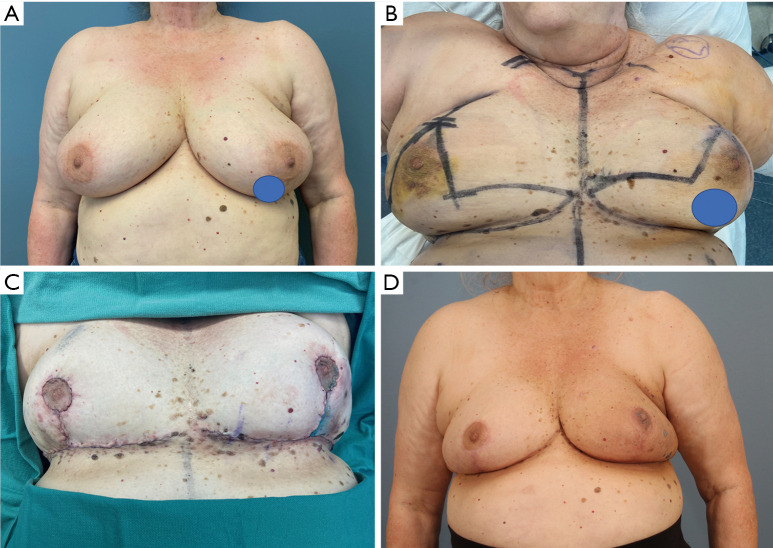
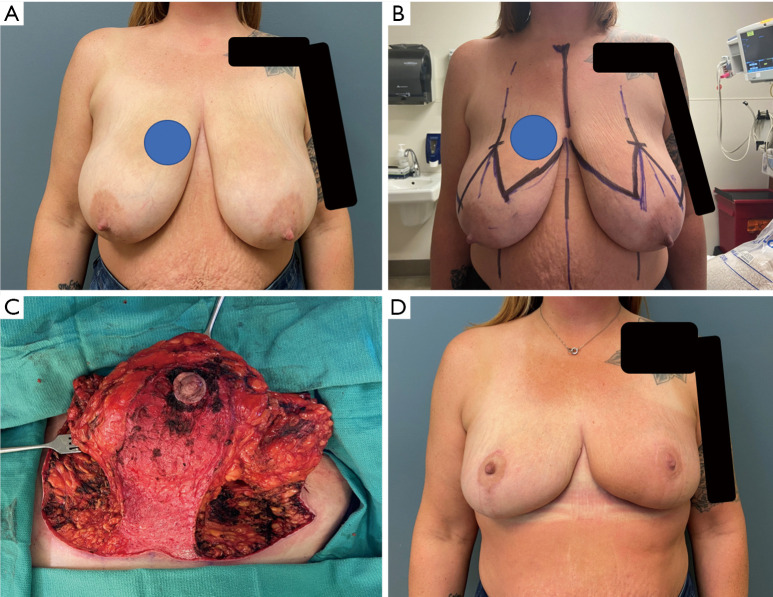
The surgical management of breast cancer has evolved tremendously over the last century and now includes oncoplastic techniques that improve both cosmetic and oncologic outcomes for patients. The purpose of this review is to provide the reader with a broad overview of the history of oncoplastic breast surgery in the United States (USA), and to summarize important patient factors and technical innovations for optimal operative planning in the era of multimodal treatment of breast cancer. The indications for oncoplastic surgery (OPS) have broadened significantly as more women pursue breast conservation with preservation of their native breast tissue. The operative philosophy of OPS is based on fundamental reconstructive principles, with technique selection based largely on tumor size and location. Reduction mammoplasty and mastopexy techniques have become some of the most utilized procedures in OPS due to their versatility to address tumors in almost all areas of the breast. Volume replacement techniques with locoregional perforator flaps continue to gain popularity as a single-stage reconstructive option for women with large tumor to breast ratios, especially with specialized plastic surgeons at high volume, academic centers. The oncologic advantages of OPS have allowed women to avoid mastectomy with improved margin control, re-excision rates, and equivalent overall survival all while preserving the aesthetic outcomes for these patients. Despite the proven benefits of OPS, numerous healthcare systems barriers including insurance status, geographic location, referral patterns, and racial disparities all continue to play a role in access to surgical sub-specialized breast oncology care demonstrating the need for ongoing research and education about oncoplastic principles.
在过去的一个世纪里,乳腺癌的外科治疗发生了巨大的演变,如今包括肿瘤整形技术,这些技术能改善患者的美容效果和肿瘤治疗效果。本综述的目的是向读者全面概述美国肿瘤整形乳房手术的历史,并总结在乳腺癌多模式治疗时代,为实现最佳手术规划的重要患者因素和技术创新。随着越来越多的女性追求保留自身乳腺组织的保乳治疗,肿瘤整形手术(OPS)的适应证已显著拓宽。OPS的手术理念基于基本的重建原则,技术选择主要依据肿瘤大小和位置。由于其在处理乳腺几乎所有区域肿瘤方面的通用性,缩乳术和乳房上提术已成为OPS中最常用的一些手术。对于肿瘤与乳房比例较大的女性,尤其是在大型学术中心有丰富经验的专业整形外科医生进行操作时,采用局部穿支皮瓣进行容积置换技术作为单阶段重建选择越来越受欢迎。OPS的肿瘤学优势使女性能够避免乳房切除术,同时改善切缘控制、再次切除率,并在保持美学效果的同时实现总体生存率相当。尽管OPS已被证明具有益处,但包括保险状况、地理位置、转诊模式和种族差异在内的众多医疗系统障碍,在获得专业的乳腺肿瘤外科治疗方面仍然发挥着作用,这表明需要持续开展关于肿瘤整形原则的研究和教育。