Civa Valentina, Chinnici Fabio, Picariello Gianluca, Tarabusi Emma, Bosaro Matteo, Mannazzu Ilaria, Domizio Paola
Department of Agriculture, Food, Environment and Forestry (DAGRI), University of Florence, Italy.
Department of Agricultural and Food Sciences, University of Bologna, Italy.
Curr Res Food Sci. 2024 May 22;8:100774. doi: 10.1016/j.crfs.2024.100774. eCollection 2024.
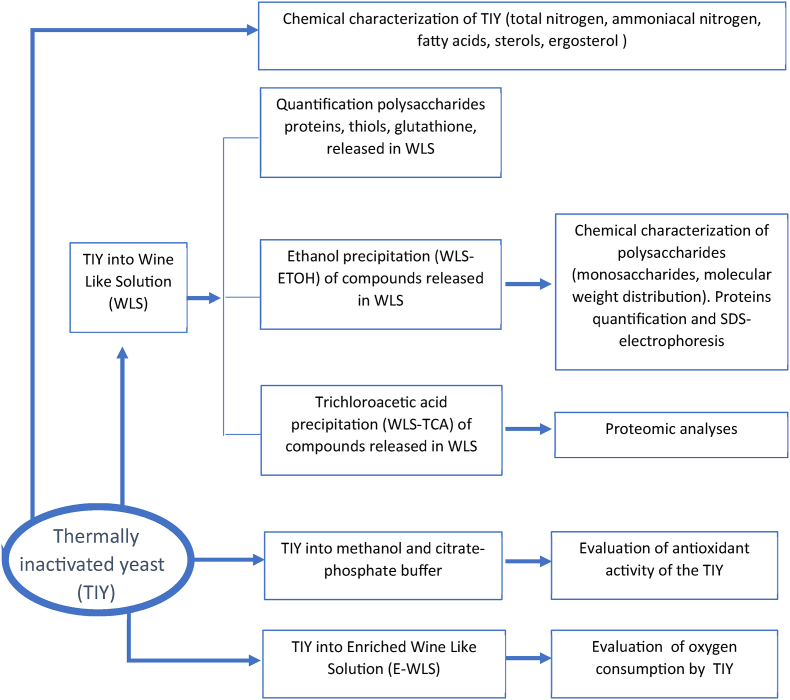
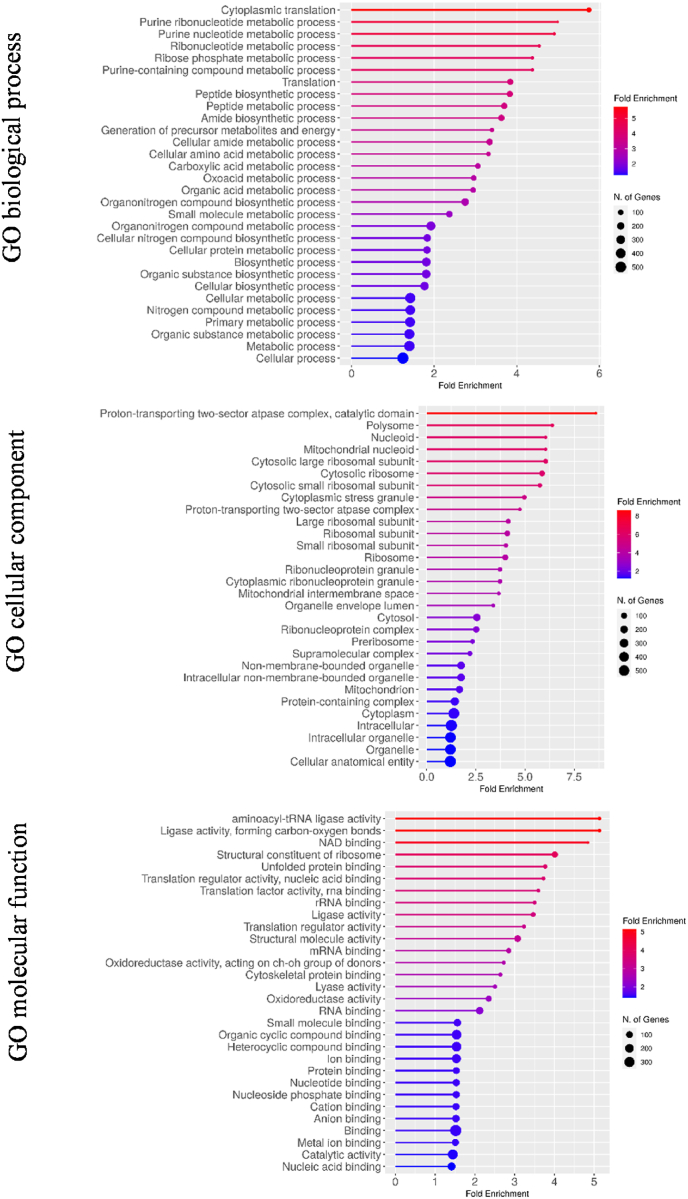
Winemakers have access to a diverse range of commercially available Inactivated Dry Yeast Based products (IDYB) from various companies and brand names. Among these, thermally inactivated dried yeasts (TIYs) are utilized as yeast nutrients during alcoholic fermentation, aiding in the rehydration of active dry yeasts and reducing ochratoxin A levels during wine maturation and clarification. While IDYB products are generally derived from spp., this study investigates into the biodiversity of those deriving from non- for potential applications in winemaking. For that and non- TIYs were produced, characterized for nitrogen and lipid content using FT-NIR spectroscopy, and applied in a wine-like solution (WLS) for analyzing and quantifying released soluble compounds. The impact of TIYs on oxygen consumption was also assessed. Non- TIYs exhibited significant diversity in terms of cell lipid composition, and amount, composition, and molecular weight of polysaccharides. Compared to that of , non- TIYs released notably higher protein amounts and nHPLC-MS/MS-based shotgun proteomics highlighted the release of cytosolic proteins, as expected due to cell disruption during inactivation, along with the presence of high molecular weight cell wall mannoproteins. Evaluation of antioxidant activity and oxygen consumption demonstrated significant differences among TIYs, as well as variations in GSH and thiol contents. The Principal Component Analysis (PCA) results suggest that oxygen consumption is more closely linked to the lipid fraction rather than the glutathione (GSH) content in the TIYs. Overall, these findings imply that the observed biodiversity of TIYs could have a significant impact on achieving specific oenological objectives.
酿酒师可以使用来自不同公司、具有各种品牌名称的多种市售灭活干酵母基产品(IDYB)。其中,热灭活干酵母(TIY)在酒精发酵过程中用作酵母营养物,有助于活性干酵母的复水,并在葡萄酒成熟和澄清过程中降低赭曲霉毒素A的水平。虽然IDYB产品通常源自 种,但本研究调查了源自非 种的IDYB的生物多样性,以探索其在酿酒中的潜在应用。为此,制备了 和非 TIY,使用傅里叶变换近红外光谱(FT-NIR)对其氮和脂质含量进行表征,并将其应用于类似葡萄酒的溶液(WLS)中,以分析和定量释放的可溶性化合物。还评估了TIY对氧气消耗的影响。非 TIY在细胞脂质组成、多糖的数量、组成和分子量方面表现出显著差异。与 的相比,非 TIY释放出的蛋白量明显更高,基于nHPLC-MS/MS的鸟枪法蛋白质组学突出了胞质蛋白的释放,这正如预期的那样是由于灭活过程中的细胞破裂,同时还存在高分子量的细胞壁甘露糖蛋白。抗氧化活性和氧气消耗的评估表明,TIY之间存在显著差异,谷胱甘肽(GSH)和硫醇含量也有所不同。主成分分析(PCA)结果表明,氧气消耗与TIY中的脂质部分而非谷胱甘肽(GSH)含量更密切相关。总体而言,这些发现意味着观察到的TIY生物多样性可能对实现特定的酿酒目标产生重大影响。