Department of Nutrition, University of North Carolina at Chapel Hill, Chapel Hill, NC, USA.
Department of Medicinal Chemistry and Molecular Pharmacology, Purdue University, West Lafayette, IN, USA.
Breast Cancer Res. 2024 Jun 7;26(1):96. doi: 10.1186/s13058-024-01854-1.
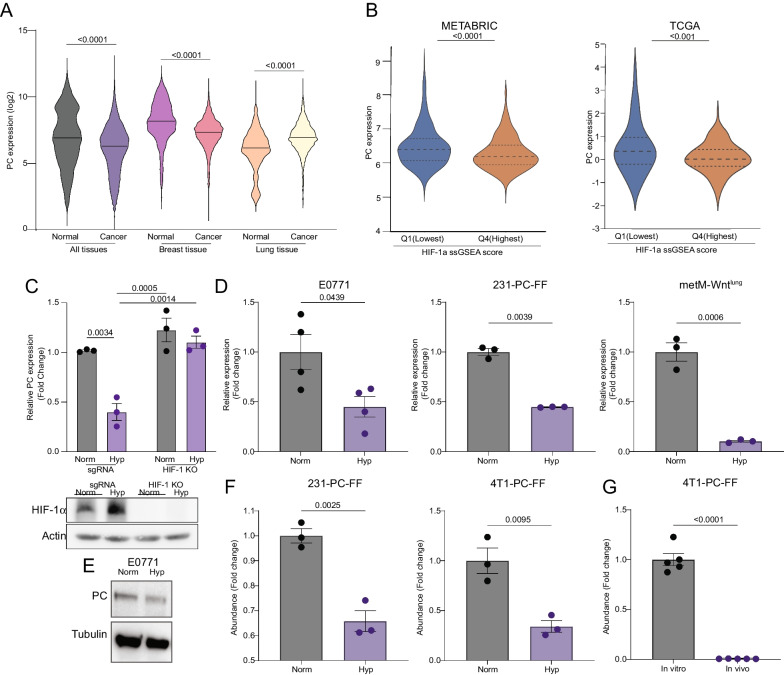
Metabolic plasticity mediates breast cancer survival, growth, and immune evasion during metastasis. However, how tumor cell metabolism is influenced by and feeds back to regulate breast cancer progression are not fully understood. We identify hypoxia-mediated suppression of pyruvate carboxylase (PC), and subsequent induction of lactate production, as a metabolic regulator of immunosuppression.
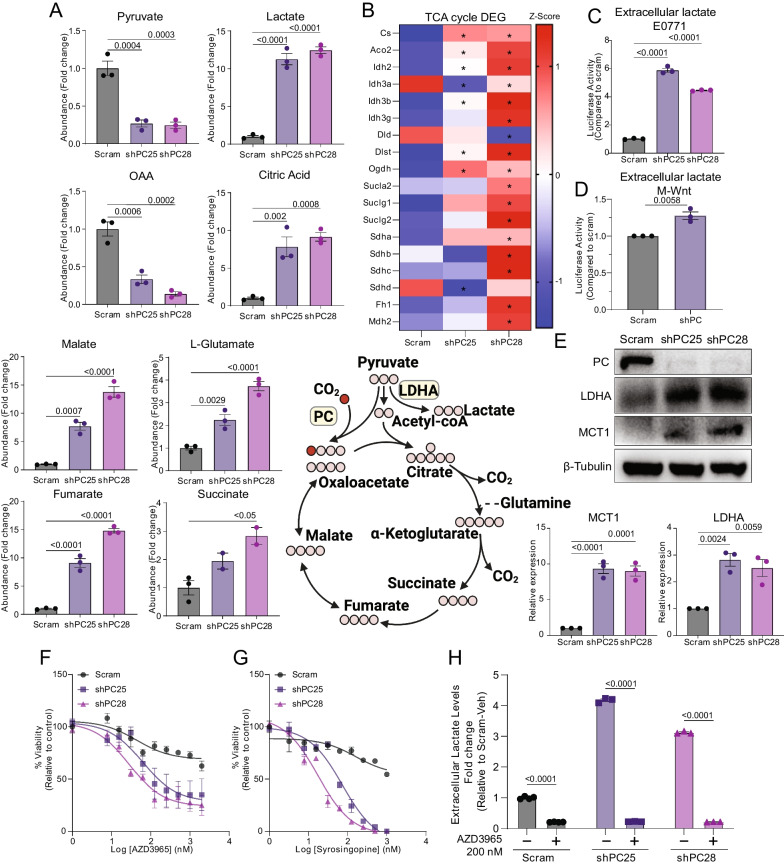
We used qPCR, immunoblot, and reporter assays to characterize repression of PC in hypoxic primary tumors. Steady state metabolomics were used to identify changes in metabolite pools upon PC depletion. In vivo tumor growth and metastasis assays were used to evaluate the impact of PC manipulation and pharmacologic inhibition of lactate transporters. Immunohistochemistry, flow cytometry, and global gene expression analyzes of tumor tissue were employed to characterize the impact of PC depletion on tumor immunity.
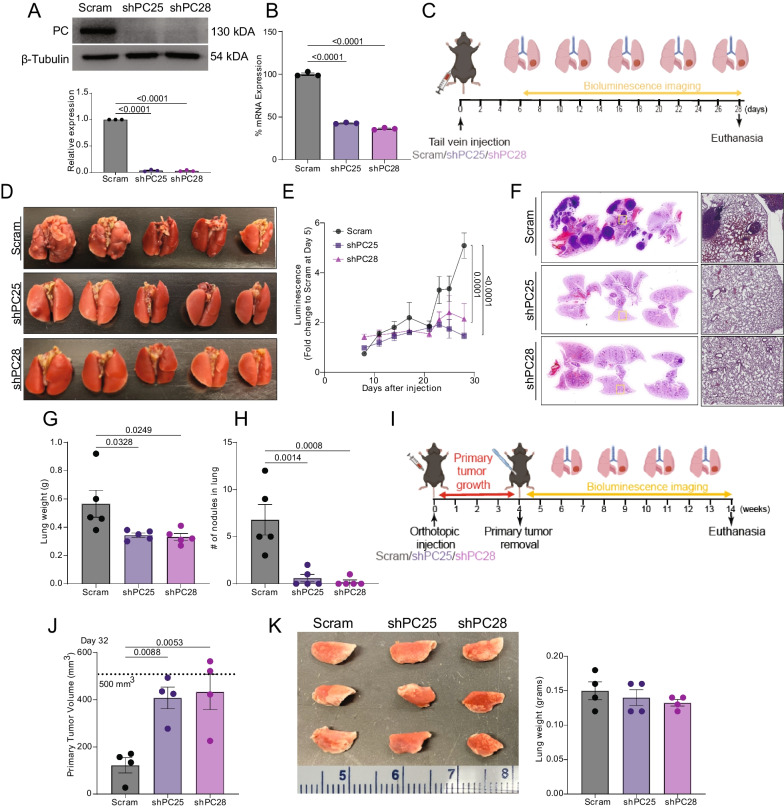
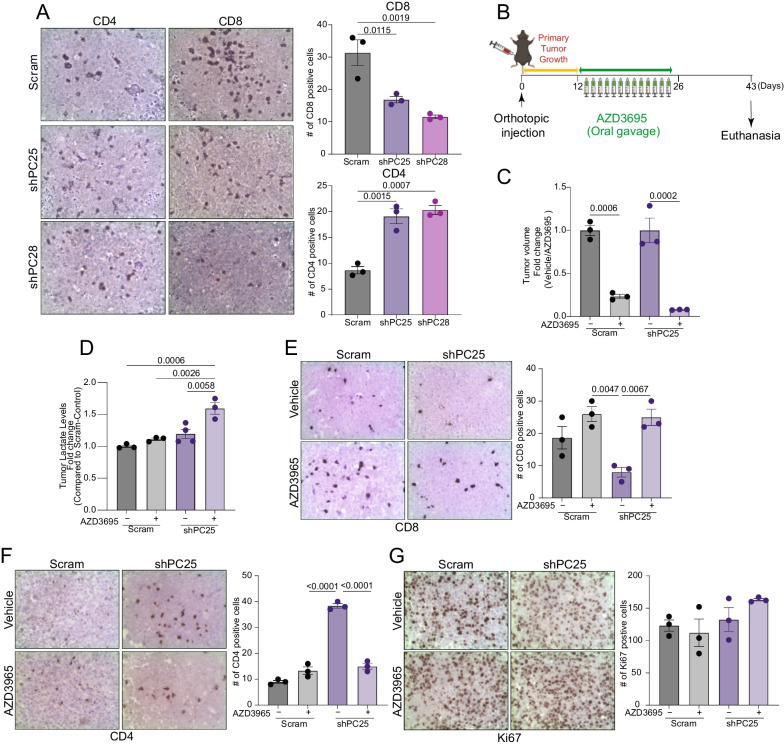
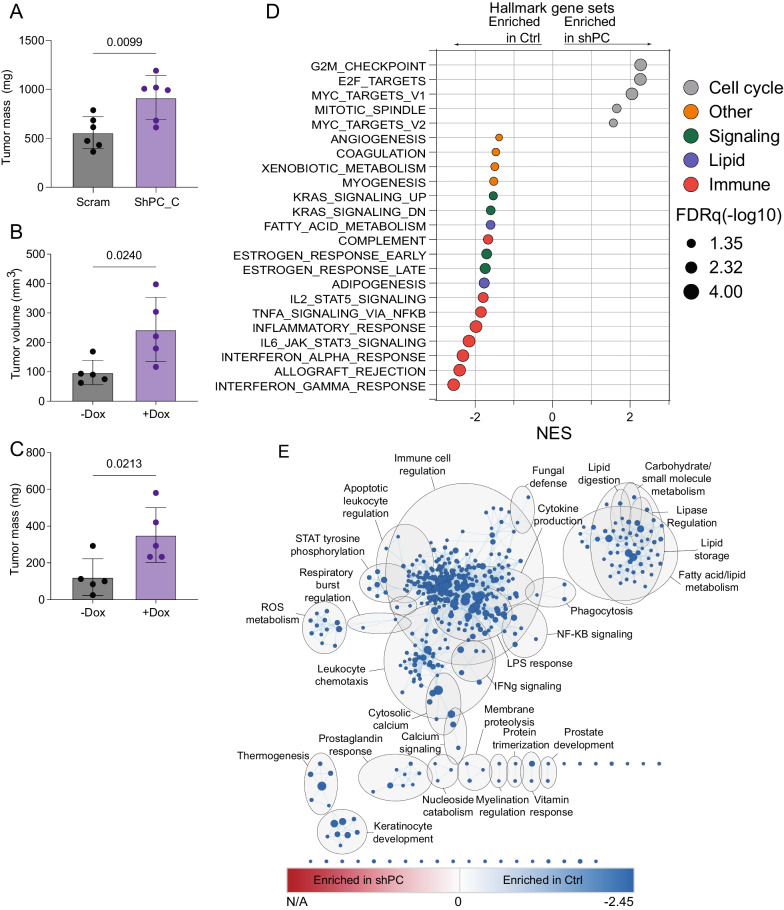
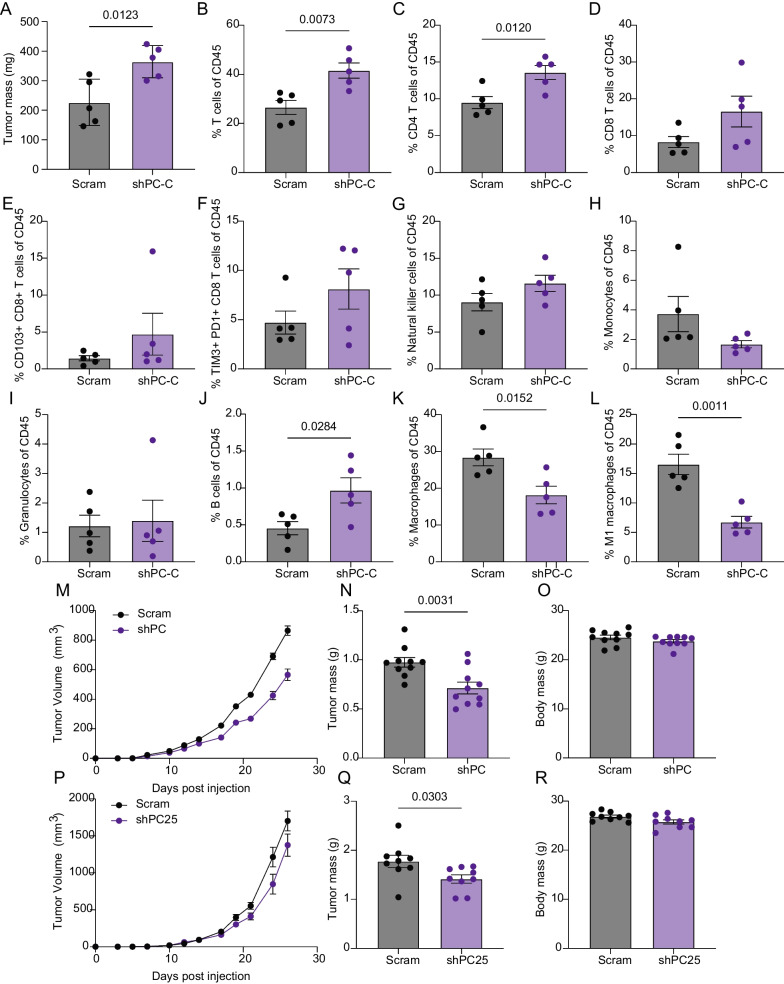
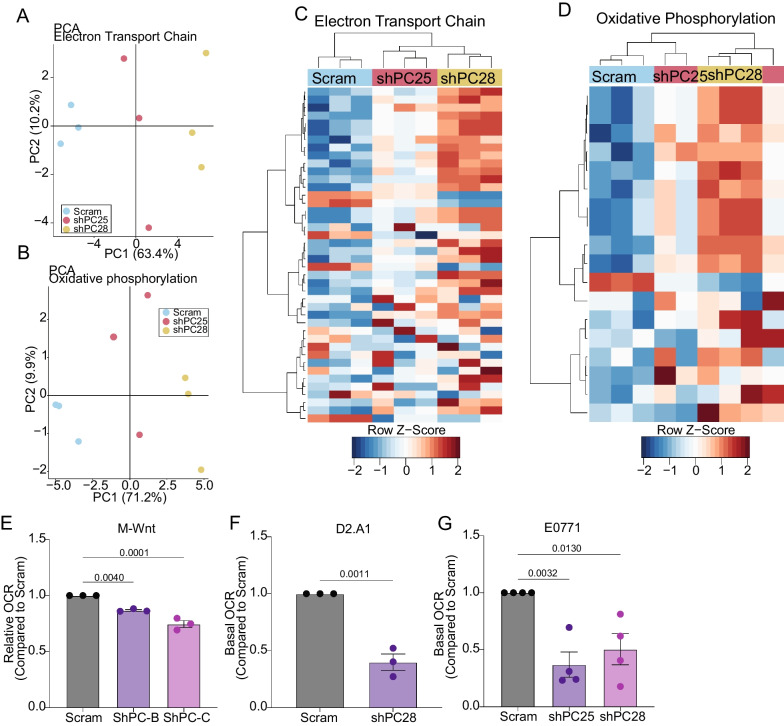
PC is essential for metastatic colonization of the lungs. In contrast, depletion of PC in tumor cells promotes primary tumor growth. This effect was only observed in immune competent animals, supporting the hypothesis that repression of PC can suppress anti-tumor immunity. Exploring key differences between the pulmonary and mammary environments, we demonstrate that hypoxia potently downregulated PC. In the absence of PC, tumor cells produce more lactate and undergo less oxidative phosphorylation. Inhibition of lactate metabolism was sufficient to restore T cell populations to PC-depleted mammary tumors.
We present a dimorphic role for PC in primary mammary tumors vs. pulmonary metastases. These findings highlight a key contextual role for PC-directed lactate production as a metabolic nexus connecting hypoxia and antitumor immunity.
代谢可塑性介导乳腺癌在转移过程中的存活、生长和免疫逃逸。然而,肿瘤细胞代谢如何受到影响以及反馈调节乳腺癌的进展还不完全清楚。我们发现低氧介导的丙酮酸羧化酶(PC)抑制,以及随后的乳酸生成诱导,是免疫抑制的代谢调节剂。
我们使用 qPCR、免疫印迹和报告基因分析来描述低氧原代肿瘤中 PC 的抑制。稳态代谢组学用于鉴定 PC 耗竭后代谢物池的变化。体内肿瘤生长和转移实验用于评估 PC 操作和乳酸转运体的药理学抑制对肿瘤的影响。免疫组化、流式细胞术和肿瘤组织的全基因表达分析用于描述 PC 耗竭对肿瘤免疫的影响。
PC 对于肺部的转移定植是必需的。相比之下,PC 在肿瘤细胞中的耗竭促进了原发肿瘤的生长。这种效应仅在免疫功能正常的动物中观察到,支持了 PC 抑制可以抑制抗肿瘤免疫的假说。通过探索肺部和乳腺环境之间的关键差异,我们证明了低氧强烈地下调了 PC。在没有 PC 的情况下,肿瘤细胞产生更多的乳酸并经历更少的氧化磷酸化。抑制乳酸代谢足以将 T 细胞群体恢复到 PC 耗竭的乳腺肿瘤中。
我们提出了 PC 在原发性乳腺肿瘤与肺转移中的二态作用。这些发现强调了 PC 定向的乳酸生成作为连接缺氧和抗肿瘤免疫的代谢枢纽的关键上下文作用。