Grundy Erin E, Shaw Lauren C, Wang Loretta, Powell Daniel J, Ostrowski Mario, Jones R Brad, Cruz C Russell Y, Gordish-Dressman Heather, Bollard Catherine M, Chiappinelli Katherine B
George Washington University.
University of Pennsylvania.
Res Sq. 2024 May 30:rs.3.rs-4432372. doi: 10.21203/rs.3.rs-4432372/v1.
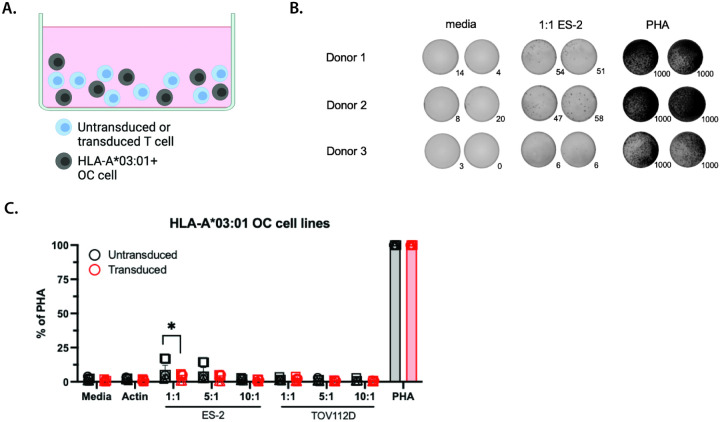
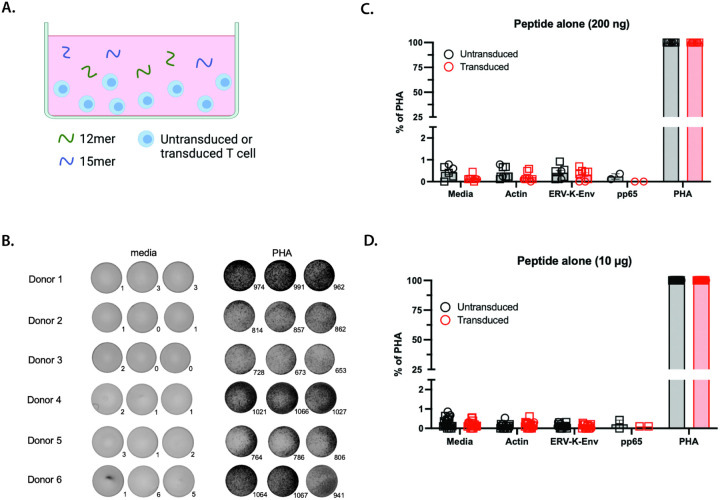
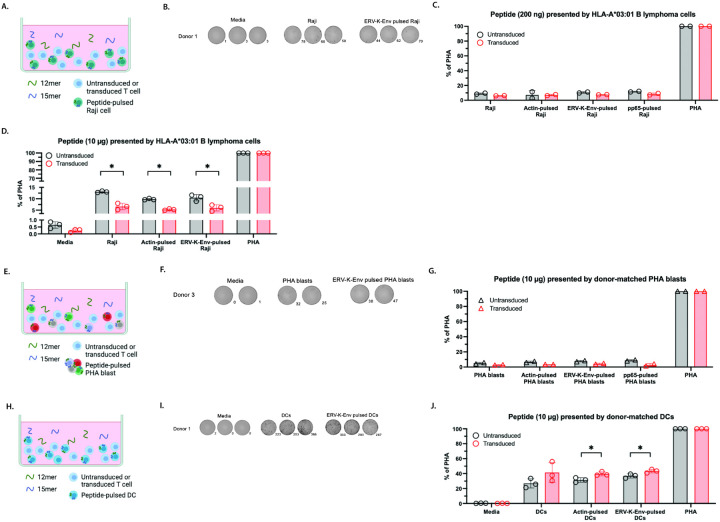
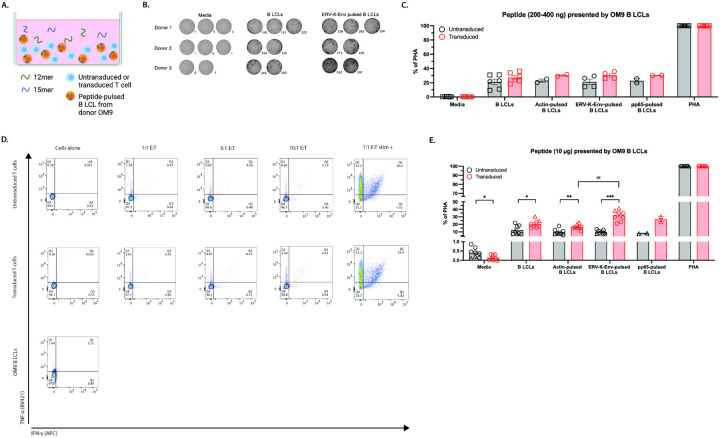
Repetitive elements (REs) are often expressed at higher levels in tumor cells than normal cells, implicating these genomic regions as an untapped pool of tumor-associated antigens. In ovarian cancer (OC), protein from the RE ERV-K is frequently expressed by tumor cells. Here we determined whether the targeting of a previously identified immunogenic epitope in the envelope gene of ERV-K resulted in target antigen specificity in non-HIV-1 settings. We found that transducing healthy donor T cells with an ERV-K-Env-specific T cell receptor construct resulted in antigen specificity only when co-cultured with HLA-A03:01 B lymphoblastoid cells. Furthermore, these transduced T cells were not specific for HLA-A03:01 + OC cells nor for the cognate peptide in HLA-matched systems from multiple healthy donors. These data suggest that the ERV-K-Env epitope recognized by this T cell receptor is of low immunogenicity and has limited potential as a T cell target for OC.
重复元件(REs)在肿瘤细胞中的表达水平通常高于正常细胞,这表明这些基因组区域是尚未开发的肿瘤相关抗原库。在卵巢癌(OC)中,肿瘤细胞经常表达来自RE ERV-K的蛋白质。在这里,我们确定了针对ERV-K包膜基因中先前鉴定的免疫原性表位是否会在非HIV-1环境中产生靶抗原特异性。我们发现,用ERV-K-Env特异性T细胞受体构建体转导健康供体T细胞,只有在与HLA-A03:01 B淋巴母细胞共培养时才会产生抗原特异性。此外,这些转导的T细胞对HLA-A03:01 + OC细胞以及来自多个健康供体的HLA匹配系统中的同源肽均无特异性。这些数据表明,该T细胞受体识别的ERV-K-Env表位免疫原性较低,作为OC的T细胞靶点潜力有限。