Department of Oncology, The First Affiliated Hospital of Chongqing Medical University, Chongqing, People's Republic of China.
Department of Medical Oncology, Cancer Center, West China Hospital, Sichuan University, Chengdu, People's Republic of China.
Cancer Biol Ther. 2024 Dec 31;25(1):2366451. doi: 10.1080/15384047.2024.2366451. Epub 2024 Jun 10.
Chronic stress can induce stress-related hormones; norepinephrine (NE) is considered to have the highest potential in cancer. NE can stimulate the expression of hypoxia-inducible factor-1α (HIF-1α), which is associated with vascular endothelial growth factor (VEGF) secretion and tumor angiogenesis. However, the underlying mechanisms are poorly understood.
Tumor-bearing mice were subjected to chronic restraint stress and treated with normal saline, human monoclonal VEGF-A neutralizing antibody bevacizumab, or β-adrenergic receptor (β-AR) antagonist (propranolol). Tumor growth and vessel density were also evaluated. Human colorectal adenocarcinoma cells were treated with NE, propranolol, or the inhibitor of transforming growth factor-β (TGF-β) receptor Type I kinase (Ly2157299) . TGF-β1 in mouse serum and cell culture supernatants was quantified using ELISA. The expression of HIF-1α was measured using Real time-PCR and western blotting. Cell migration and invasion were tested.
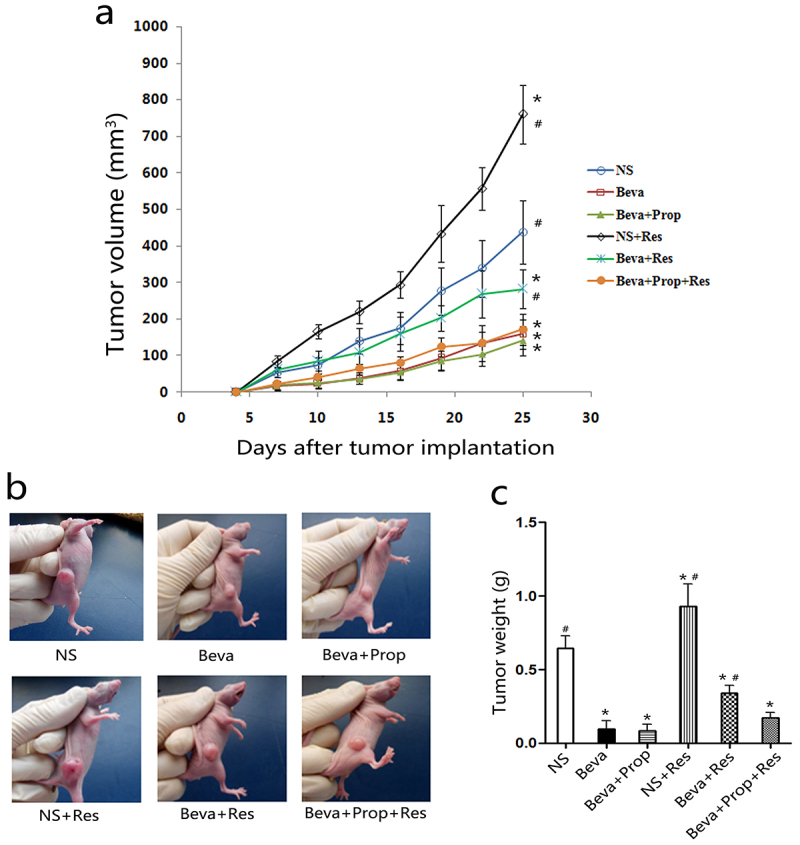
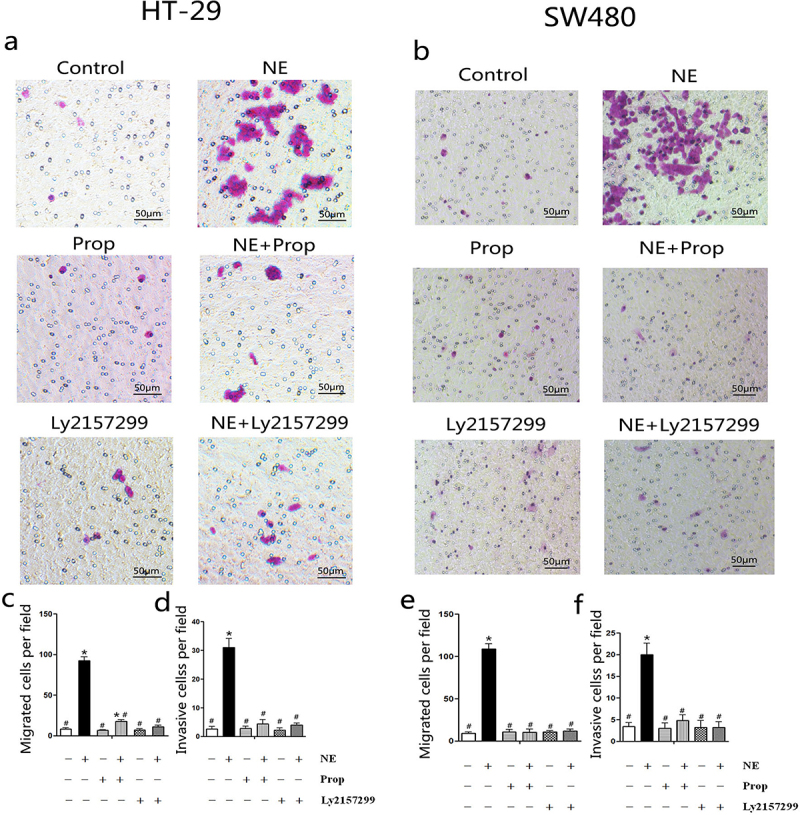
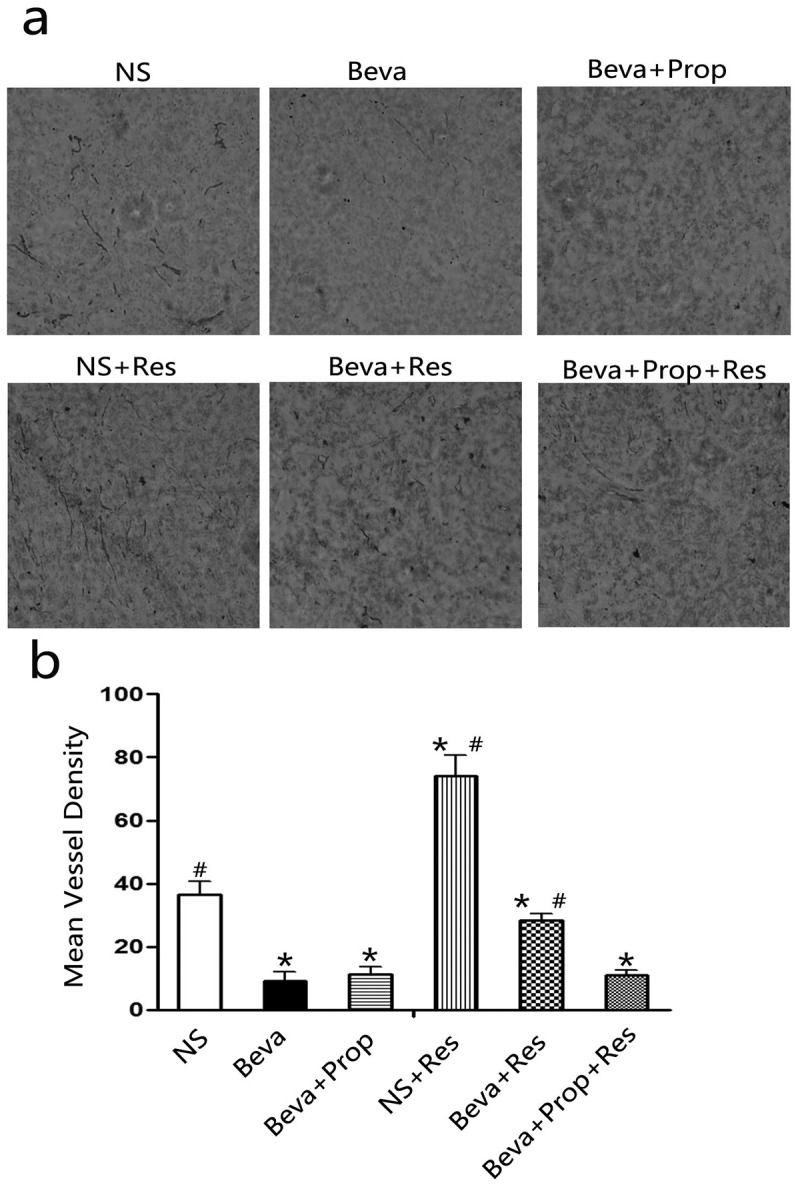
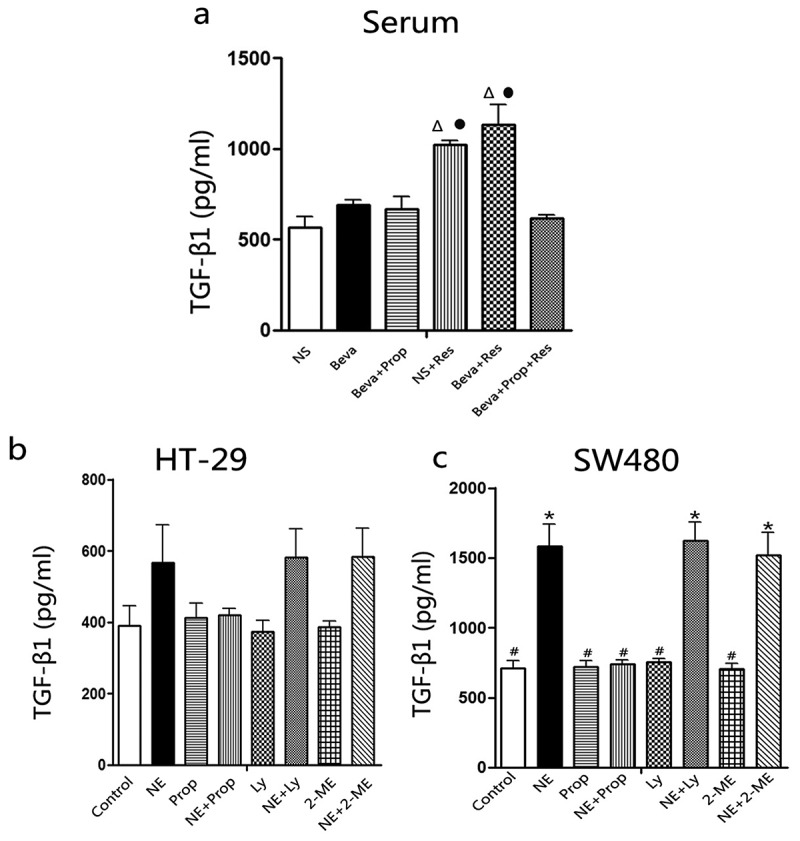
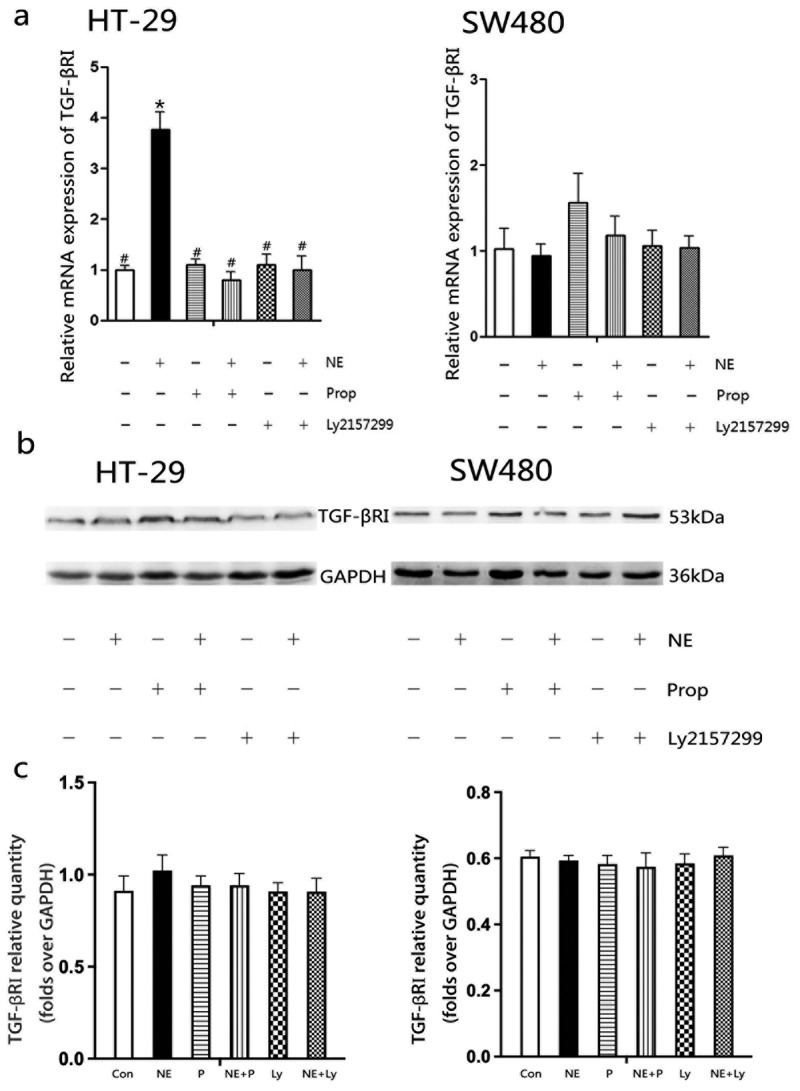
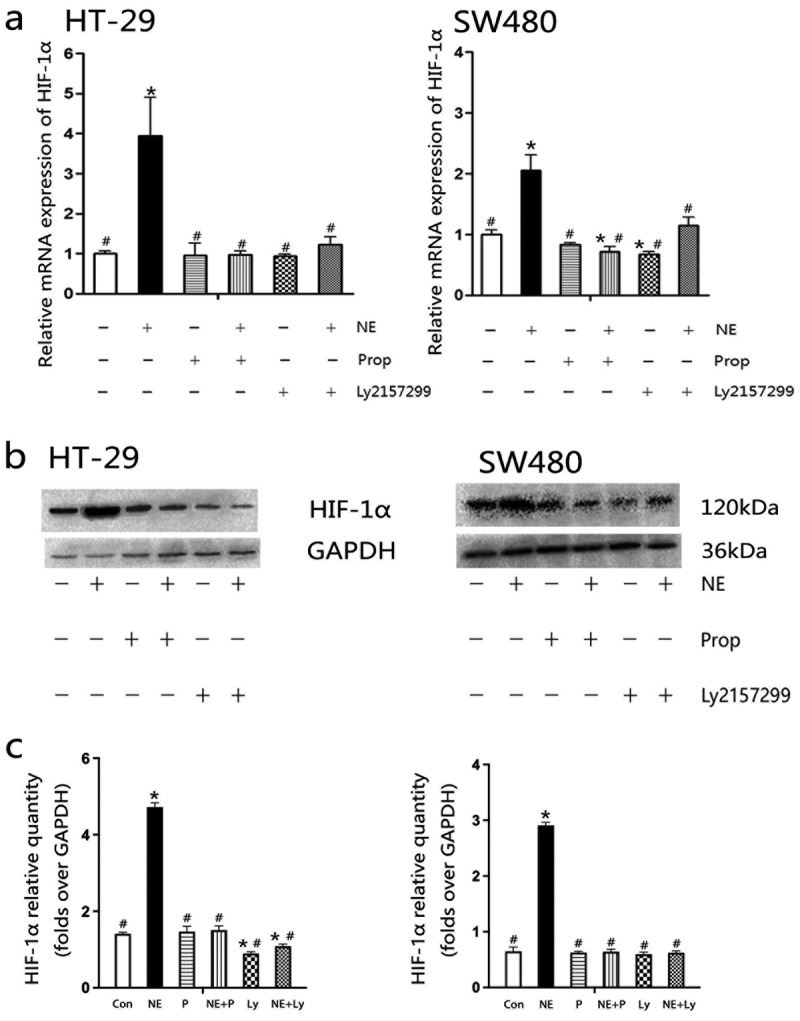
Chronic restraint stress attenuated the efficacy of bevacizumab and promoted tumor growth and angiogenesis in a colorectal tumor model. Propranolol blocked this effect and inhibited TGF-β1 elevation caused by chronic restraint stress or NE. NE upregulated HIF-1α expression, which was reversed by propranolol or Ly2157299. Propranolol and Ly2157199 blocked NE-stimulated cancer cell migration and invasion.
Our results demonstrate the effect of NE on tumor angiogenesis and the critical role of TGF-β1 signaling during this process. In addition, β-AR/TGF-β1 signaling/HIF-1α/VEGF is a potential signaling pathway. This study also indicates that psychosocial stress might be a risk factor which weakens the efficacy of anti-angiogenic therapy.
慢性应激会诱导应激相关激素;去甲肾上腺素(NE)被认为在癌症中具有最大的潜力。NE 可刺激低氧诱导因子-1α(HIF-1α)的表达,这与血管内皮生长因子(VEGF)的分泌和肿瘤血管生成有关。然而,其潜在机制尚不清楚。
荷瘤小鼠接受慢性束缚应激,并给予生理盐水、人源单克隆 VEGF-A 中和抗体贝伐单抗或β-肾上腺素能受体(β-AR)拮抗剂(普萘洛尔)治疗。还评估了肿瘤生长和血管密度。用 NE、普萘洛尔或转化生长因子-β(TGF-β)受体 I 激酶抑制剂(Ly2157299)处理人结直肠腺癌细胞。使用 ELISA 定量测定小鼠血清和细胞培养上清液中的 TGF-β1。采用实时 PCR 和 Western blot 测定 HIF-1α的表达。检测细胞迁移和侵袭。
慢性束缚应激减弱了贝伐单抗的疗效,并促进了结直肠肿瘤模型中的肿瘤生长和血管生成。普萘洛尔阻断了这种作用,并抑制了慢性束缚应激或 NE 引起的 TGF-β1 升高。NE 上调了 HIF-1α的表达,而普萘洛尔或 Ly2157299 则逆转了这一作用。普萘洛尔和 Ly2157199 阻断了 NE 刺激的癌细胞迁移和侵袭。
我们的结果表明,NE 对肿瘤血管生成有影响,并且在这个过程中 TGF-β1 信号具有关键作用。此外,β-AR/TGF-β1 信号/HIF-1α/VEGF 是一个潜在的信号通路。本研究还表明,心理社会应激可能是削弱抗血管生成治疗疗效的一个风险因素。