Department of Social Sciences and Humanities, Poznan University of Medical Sciences, Rokietnicka 7, Poznań, 60-806, Poland.
Independent researcher, Binyamina, Israel.
BMC Med Educ. 2024 Jun 15;24(1):663. doi: 10.1186/s12909-024-05646-1.
Transcultural nursing recognises the significance of cultural backgrounds in providing patients with quality care. This study investigates the opinions of master's students in nursing and midwifery regarding the attitudes of Jehovah's Witnesses towards refusing blood transfusions.
349 master's students in nursing and midwifery participated in a quantitative study and were surveyed via the Web to evaluate their awareness of the stance of Jehovah's Witnesses on blood transfusions and the ethical and legal dilemmas associated with caring for Jehovah's Witness (JW) patients.
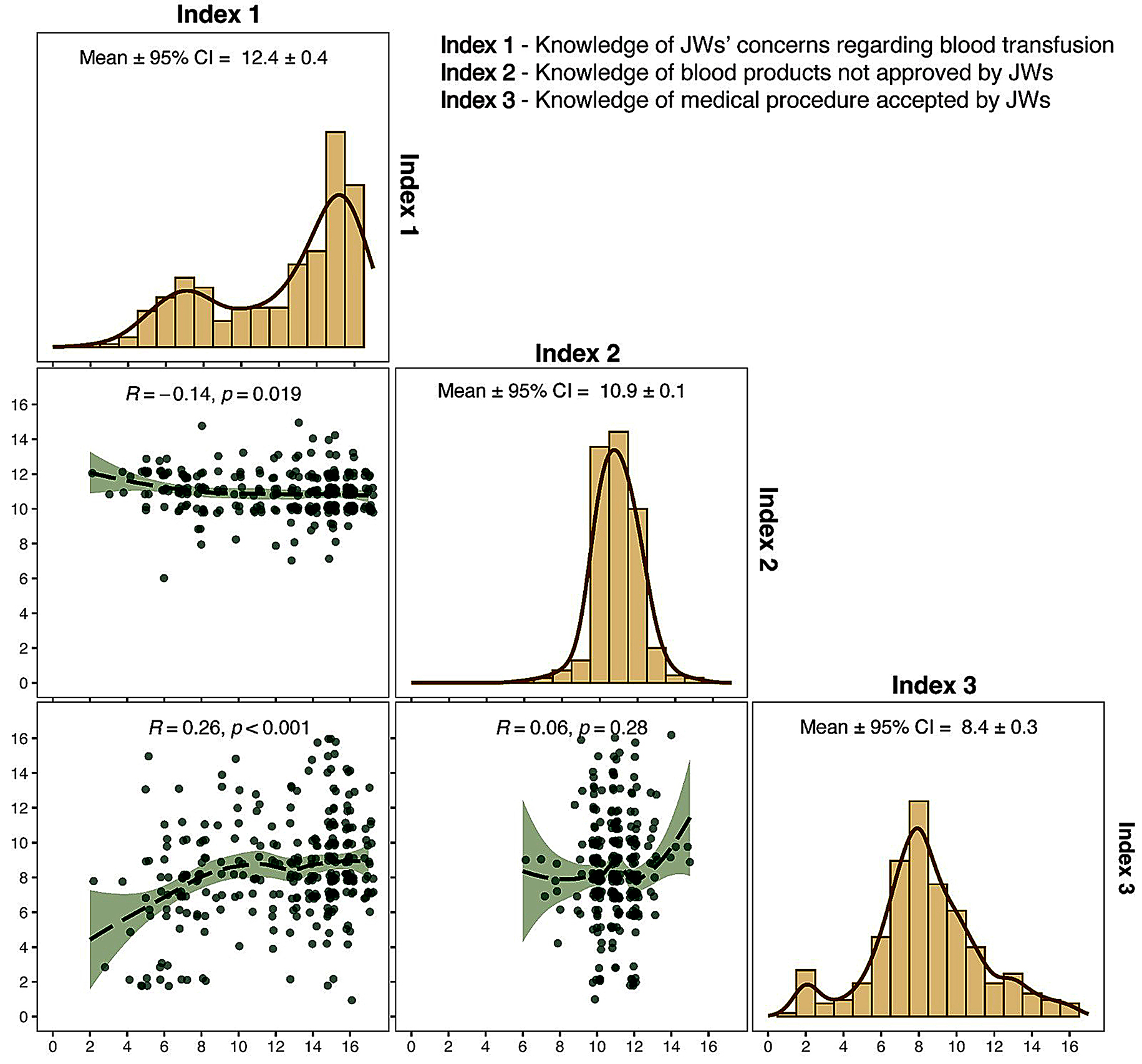
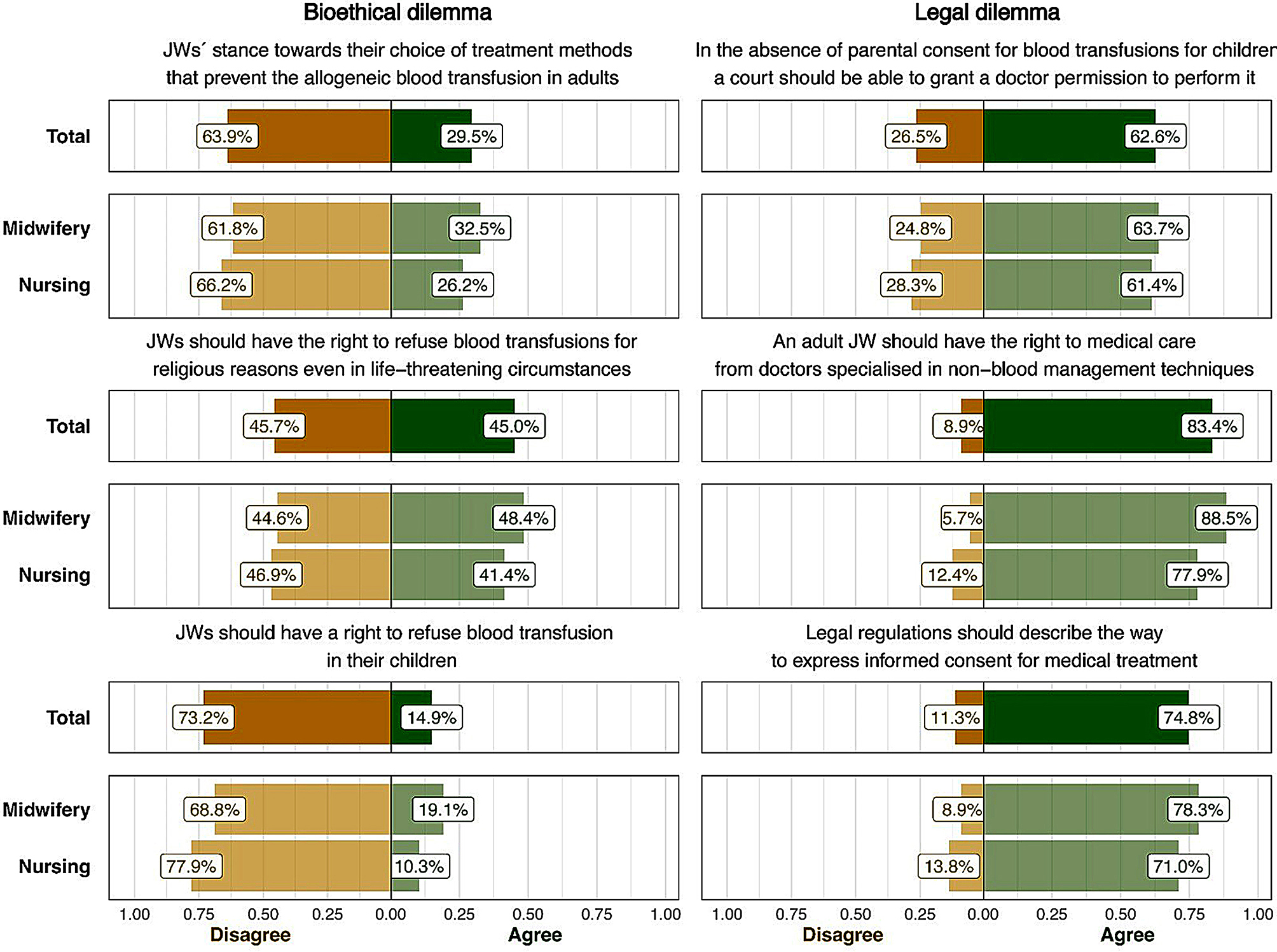
The study yielded three significant findings. It unequivocally demonstrates that nursing and midwifery students possess inadequate knowledge regarding Jehovah's Witnesses' stance on blood transfusions and their acceptance of specific blood products and medical procedures. Despite being cognisant of the ethical and legal dilemmas of caring for JW patients, students lack an understanding of patients' autonomy to reject blood transfusions and their need for bloodless medicine. Students also articulated educational needs regarding cultural competencies regarding the Jehovah's Witnesses' beliefs on blood transfusions and non-blood management techniques.
Healthcare professionals need the knowledge and skills necessary to provide holistic, patient-centred and culturally sensitive care. This study emphasises the urgent need for university curricula and nursing postgraduate training to include modules on transcultural nursing and strategies for minimising blood loss.
跨文化护理认识到文化背景在为患者提供优质护理方面的重要性。本研究调查了护理和助产学硕士研究生对耶和华见证人拒绝输血的态度的看法。
349 名护理和助产学硕士研究生参加了一项定量研究,通过网络调查评估他们对耶和华见证人对输血的立场以及与护理耶和华见证人(JW)患者相关的伦理和法律困境的认识。
该研究得出了三个重要发现。它明确表明,护理和助产学学生对耶和华见证人对输血的立场以及他们对特定血液制品和医疗程序的接受程度缺乏足够的了解。尽管学生意识到护理 JW 患者的伦理和法律困境,但他们不了解患者拒绝输血的自主权以及他们对无血药物的需求。学生还表达了关于耶和华见证人对输血的信仰和非血液管理技术的文化能力方面的教育需求。
医疗保健专业人员需要具备提供全面、以患者为中心和文化敏感的护理所需的知识和技能。本研究强调了大学课程和护理研究生培训迫切需要包括跨文化护理模块和减少失血策略的模块。