Department of Hepatobiliary and Pancreatic Surgery, Affiliated Hospital, Guangdong Medical University, Zhanjiang, 524000, Guangdong, China.
Institute of Surgery, Jinan University, Guangzhou, 510630, Guangdong, China.
Sci Rep. 2024 Jun 15;14(1):13834. doi: 10.1038/s41598-024-64720-2.
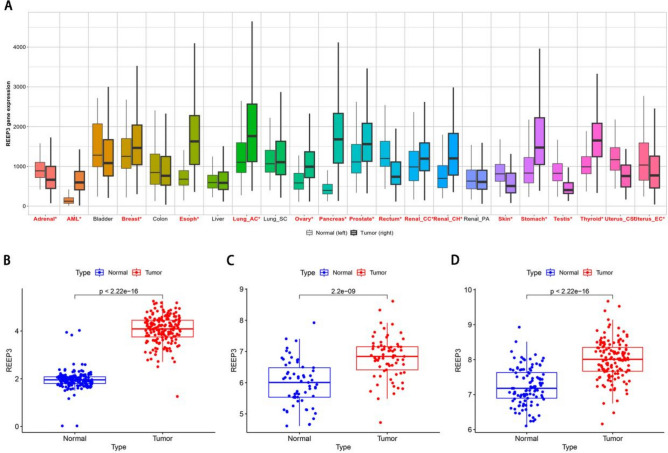
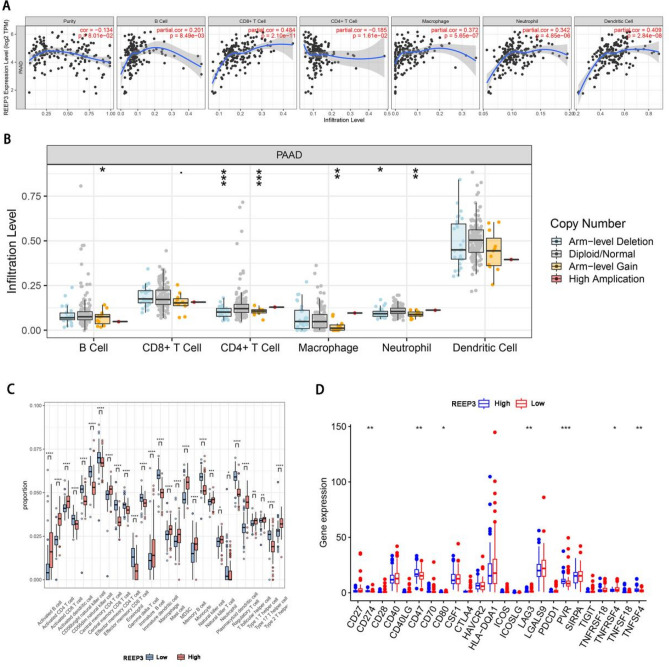
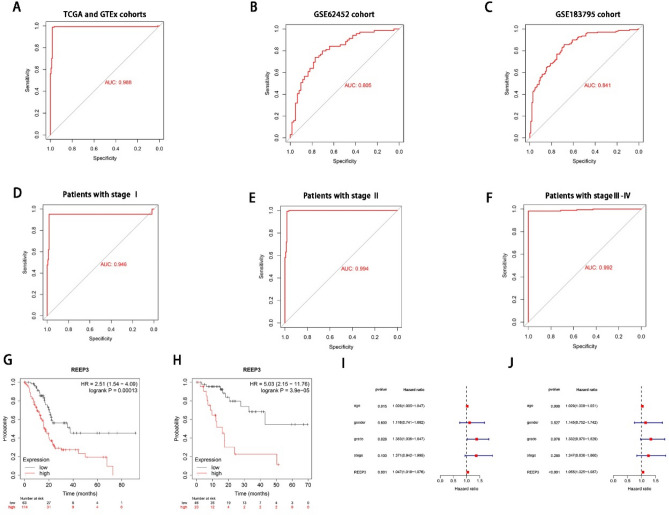
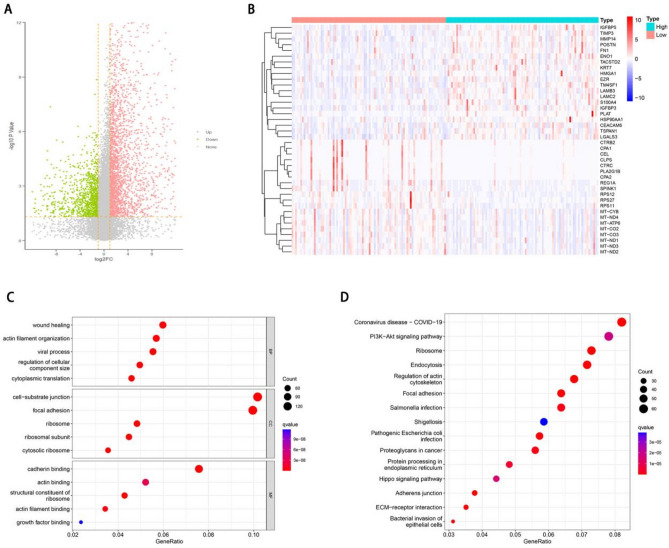
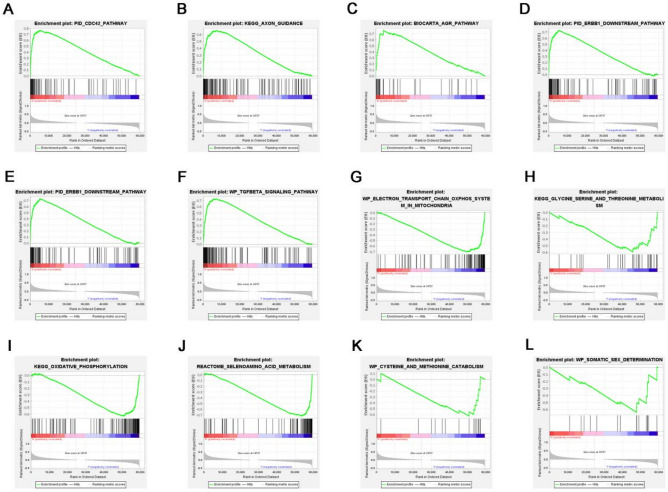
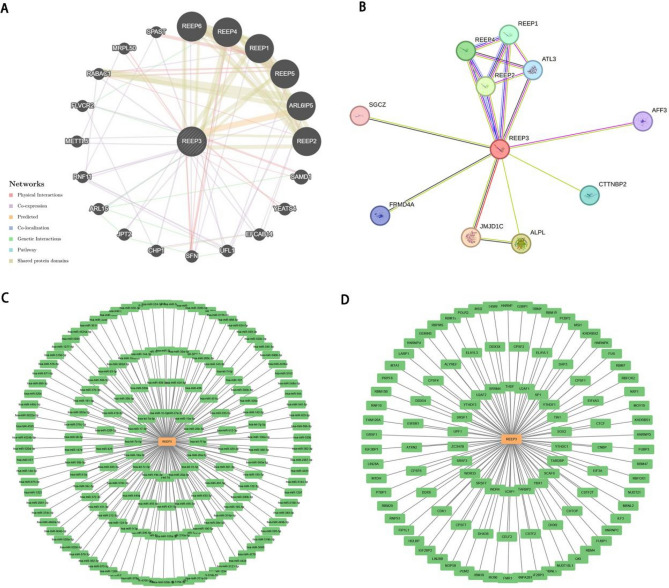
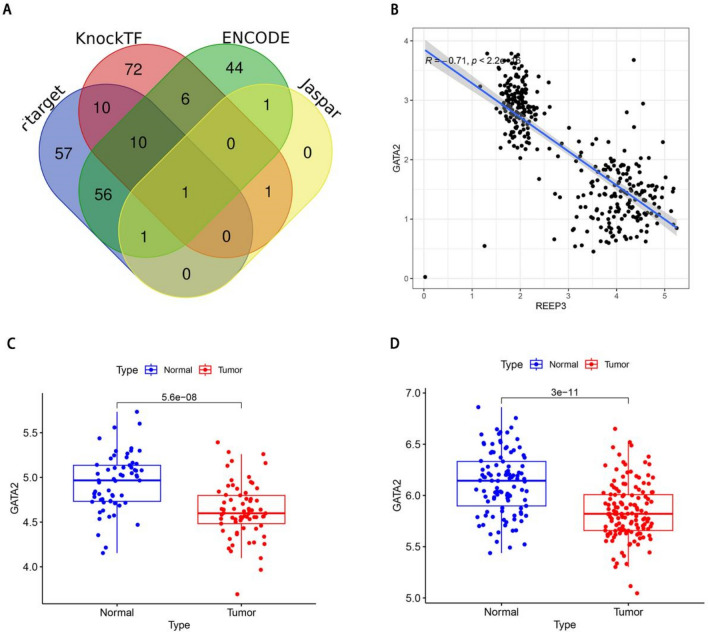
Receptor Expression-Enhancing Protein 3 (REEP3) serves as a pivotal enzyme crucial for endoplasmic reticulum (ER) clearance during mitosis and is implicated in the advancement of diverse malignancies. Nonetheless, the biological role and mechanisms of REEP3 in pancreatic cancer patients, along with its interplay with immune infiltration, remain inadequately elucidated. In this study, we initially analyzed the differential expression of REEP3 between pancreatic cancer tissues and normal pancreas tissues using the Cancer Genome Atlas (TCGA), GTEx and Gene Expression Omnibus (GEO) databases. Subsequently, we utilized Kaplan-Meier analysis, Cox regression and ROC curve to determine the predictive value of REEP3 for the clinical outcomes of pancreatic cancer patients. Functional enrichment analyses, including Gene Ontology (GO), Kyoto Encyclopedia of Genes and Genomes (KEGG) and Gene Set Enrichment Analysis (GSEA), were conducted to explore the potential signaling pathways and biological functions associated with pancreatic cancer. Furthermore, we investigated the PPI network, miRNA, RBP and transcription factor interactions of REEP3 using databases such as GeneMania, STRING, StarBase, KnockTK, ENCODE, Jaspar and hTFtarget. Lastly, the "ssGSEA" algorithm and TIMER database were employed to investigate the correlation between REEP3 expression and immune infiltration as well as immune checkpoints. The expression of REEP3 in pancreatic cancer showed a significantly higher level compared to that in normal tissues. ROC curve analysis indicated that REEP3 holds substantial diagnostic potential for pancreatic cancer patients. Elevated REEP3 expression correlated with unfavorable outcomes in terms of both overall survival and relapse-free survival, establishing it as a notable adverse prognostic marker in pancreatic cancer. Moreover, both univariate and multivariate Cox regression analyses demonstrated that REEP3 maintained an independent association with overall survival. Functional enrichment analyses revealed pathways significantly linked to REEP3, including cytoplasmic translation, wound healing, viral processes, regulation of cellular component size and actin filament organization. Additionally, REEP3 expression displayed a significant positive correlation with CD8+ T cells, B cells, natural killer cells, dendritic cells and macrophages. REEP3 is a potential diagnostic, prognostic marker and immunotherapeutic target for pancreatic cancer.
REEP3(受体表达增强蛋白 3)作为一种关键的内质网(ER)清除酶,在有丝分裂过程中起着至关重要的作用,并与多种恶性肿瘤的进展有关。然而,REEP3 在胰腺癌细胞中的生物学作用和机制,以及与免疫浸润的相互作用,仍未得到充分阐明。在这项研究中,我们首先使用癌症基因组图谱(TCGA)、GTEx 和基因表达综合数据库(GEO)分析了 REEP3 在胰腺癌细胞组织和正常胰腺组织中的差异表达。随后,我们利用 Kaplan-Meier 分析、Cox 回归和 ROC 曲线来确定 REEP3 对胰腺癌症患者临床结局的预测价值。进行了基因本体论(GO)、京都基因与基因组百科全书(KEGG)和基因集富集分析(GSEA)等功能富集分析,以探索与胰腺癌症相关的潜在信号通路和生物学功能。此外,我们使用 GeneMania、STRING、StarBase、KnockTK、ENCODE、Jaspar 和 hTFtarget 等数据库研究了 REEP3 的 PPI 网络、miRNA、RBP 和转录因子相互作用。最后,使用“ssGSEA”算法和 TIMER 数据库研究了 REEP3 表达与免疫浸润和免疫检查点之间的相关性。在胰腺癌细胞中,REEP3 的表达水平明显高于正常组织。ROC 曲线分析表明,REEP3 对胰腺癌症患者具有显著的诊断潜力。REEP3 表达升高与总生存期和无复发生存期的不良预后相关,是胰腺癌症中一个显著的不良预后标志物。此外,单因素和多因素 Cox 回归分析均表明 REEP3 与总生存期独立相关。功能富集分析显示,与 REEP3 显著相关的途径包括细胞质翻译、伤口愈合、病毒过程、细胞成分大小调节和肌动蛋白丝组织。此外,REEP3 表达与 CD8+T 细胞、B 细胞、自然杀伤细胞、树突状细胞和巨噬细胞呈显著正相关。REEP3 是胰腺癌症的一个潜在的诊断、预后标志物和免疫治疗靶点。