Center of Interventional Medicine, The Fifth Affiliated Hospital of Sun Yat-Sen University, Zhuhai, 519000, Guangdong Province, China.
Institute of Interventional Radiology, Sun Yat-Sen University, Zhuhai, 519000, Guangdong Province, China.
J Nanobiotechnology. 2024 Jun 18;22(1):338. doi: 10.1186/s12951-024-02579-1.
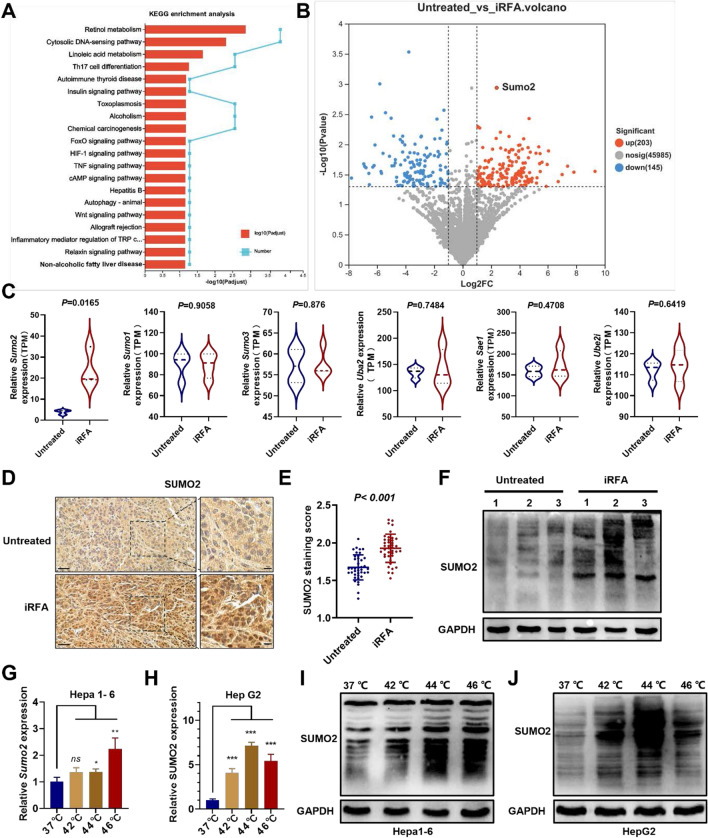
Incomplete radiofrequency ablation (iRFA) in hepatocellular carcinoma (HCC) often leads to local recurrence and distant metastasis of the residual tumor. This is closely linked to the development of a tumor immunosuppressive environment (TIME). In this study, underlying mechanisms and potential therapeutic targets involved in the formation of TIME in residual tumors following iRFA were explored. Then, TAK-981-loaded nanocomposite hydrogel was constructed, and its therapeutic effects on residual tumors were investigated.
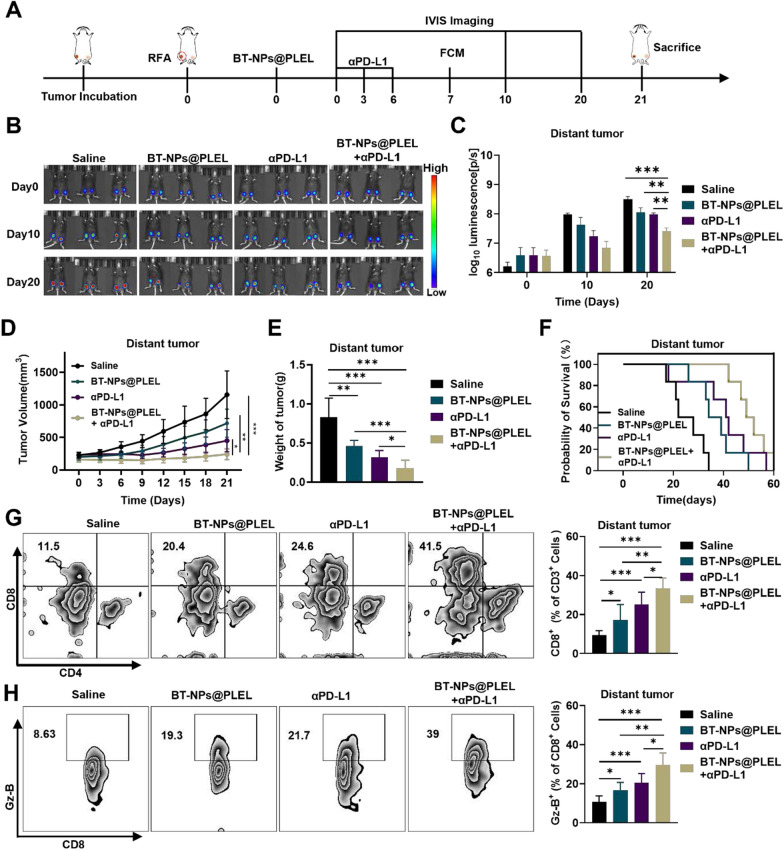
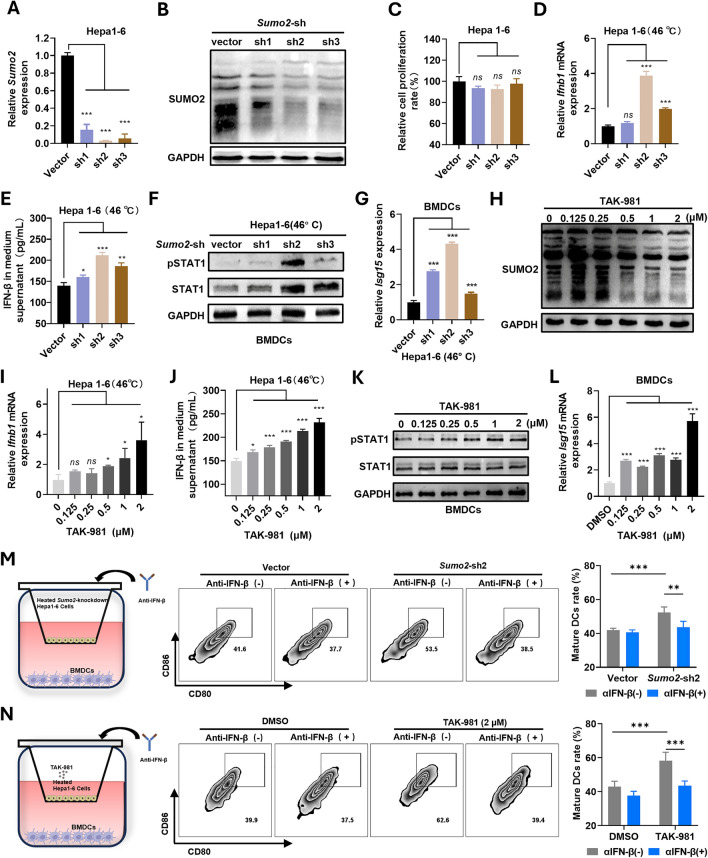
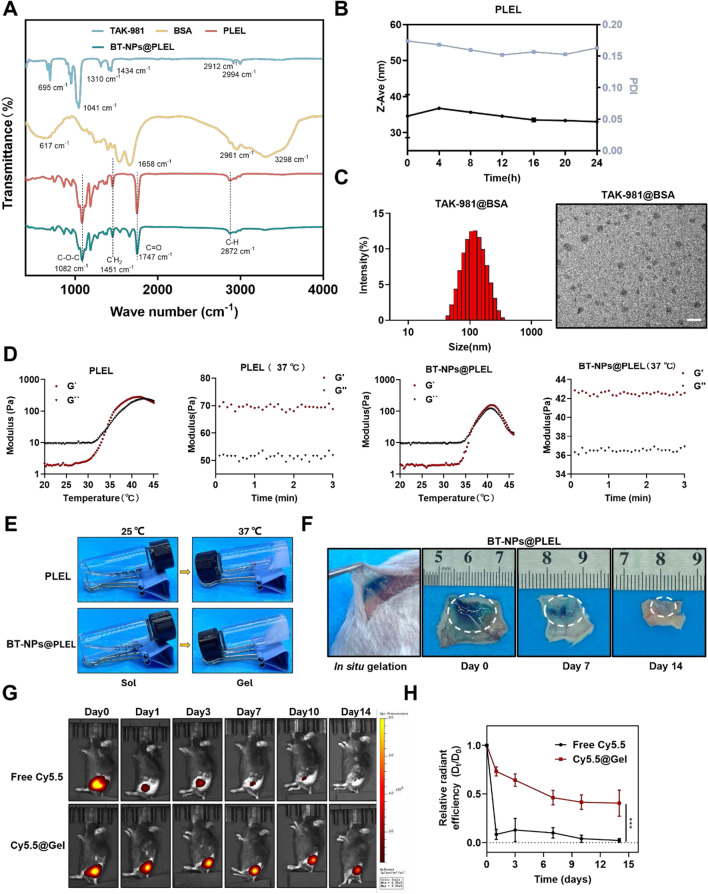
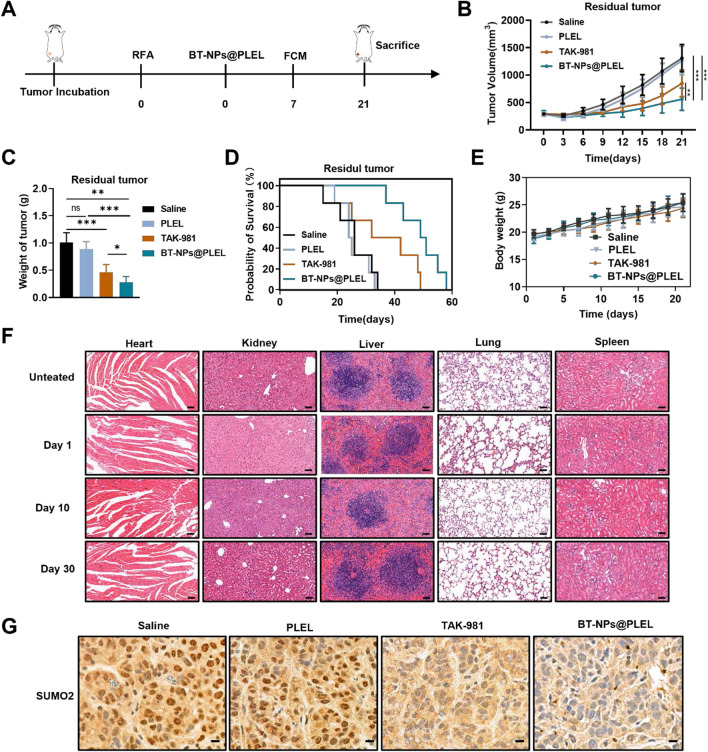
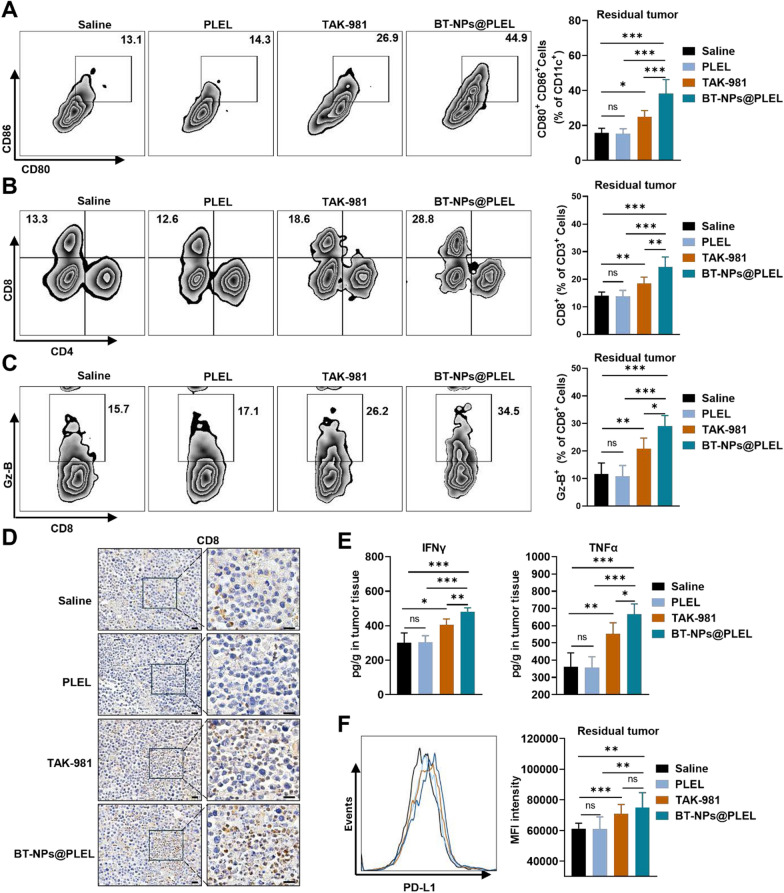
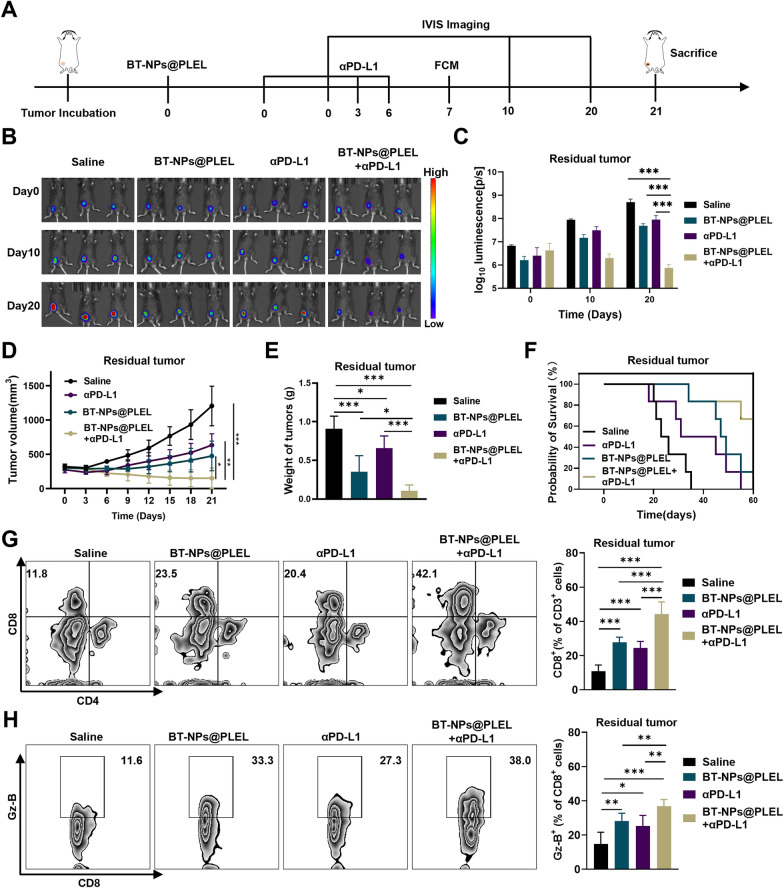
This study reveals that the upregulation of small ubiquitin-like modifier 2 (Sumo2) and activated SUMOylation is intricately tied to immunosuppression in residual tumors post-iRFA. Both knockdown of Sumo2 and inhibiting SUMOylation with TAK-981 activate IFN-1 signaling in HCC cells, thereby promoting dendritic cell maturation. Herein, we propose an injectable PDLLA-PEG-PDLLA (PLEL) nanocomposite hydrogel which incorporates self-assembled TAK-981 and BSA nanoparticles for complementary localized treatment of residual tumor after iRFA. The sustained release of TAK-981 from this hydrogel curbs the expansion of residual tumors and notably stimulates the dendritic cell and cytotoxic lymphocyte-mediated antitumor immune response in residual tumors while maintaining biosafety. Furthermore, the treatment with TAK-981 nanocomposite hydrogel resulted in a widespread elevation in PD-L1 levels. Combining TAK-981 nanocomposite hydrogel with PD-L1 blockade therapy synergistically eradicates residual tumors and suppresses distant tumors.
These findings underscore the potential of the TAK-981-based strategy as an effective therapy to enhance RFA therapy for HCC.
肝癌(HCC)不完全射频消融(iRFA)常导致残余肿瘤局部复发和远处转移。这与肿瘤免疫抑制环境(TIME)的发展密切相关。本研究探讨了 iRFA 后残余肿瘤中 TIME 形成的潜在机制和治疗靶点。然后构建了 TAK-981 载纳米复合水凝胶,并研究了其对残余肿瘤的治疗效果。
本研究揭示了小泛素样修饰物 2(Sumo2)的上调和激活 SUMOylation 与 iRFA 后残余肿瘤中的免疫抑制密切相关。SUMO2 敲低和 TAK-981 抑制 SUMOylation 均可激活 HCC 细胞中的 IFN-1 信号,从而促进树突状细胞成熟。在此,我们提出了一种可注射的 PDLLA-PEG-PDLLA(PLEL)纳米复合水凝胶,该水凝胶中整合了自组装的 TAK-981 和 BSA 纳米颗粒,用于 iRFA 后残余肿瘤的局部互补治疗。该水凝胶中 TAK-981 的持续释放抑制了残余肿瘤的扩张,并显著刺激了残余肿瘤中树突状细胞和细胞毒性淋巴细胞介导的抗肿瘤免疫反应,同时保持了生物安全性。此外,TAK-981 纳米复合水凝胶治疗导致 PD-L1 水平广泛升高。TAK-981 纳米复合水凝胶联合 PD-L1 阻断治疗协同根除残余肿瘤并抑制远处肿瘤。
这些发现强调了基于 TAK-981 的策略作为增强 HCC RFA 治疗的有效治疗方法的潜力。