Faculty of Animal Science and Technology, Yunnan Agricultural University, Kunming 650201, China.
College of Food Science and Technology, Yunnan Agricultural University, Kunming 650201, China.
Poult Sci. 2024 Aug;103(8):103920. doi: 10.1016/j.psj.2024.103920. Epub 2024 May 31.
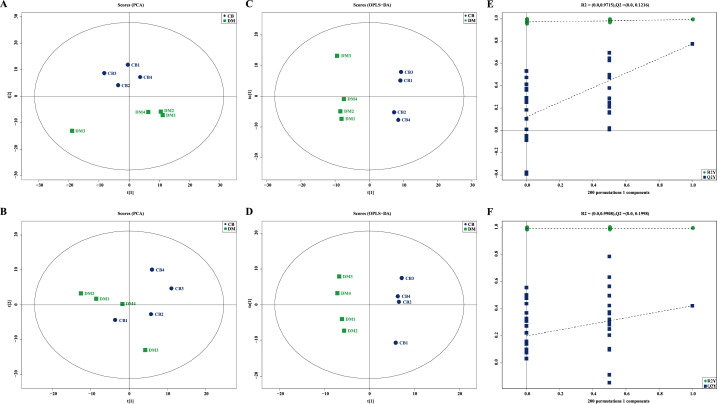
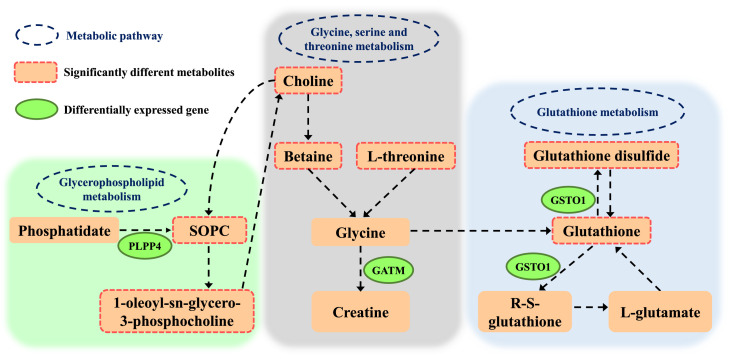
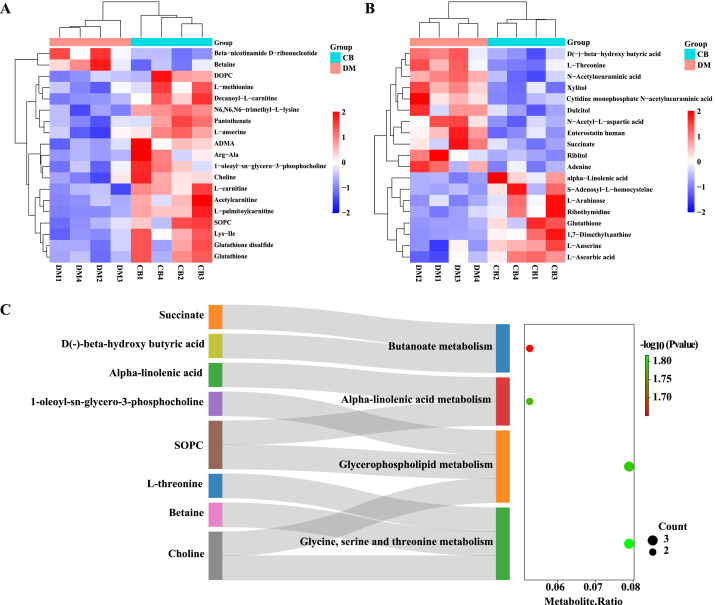
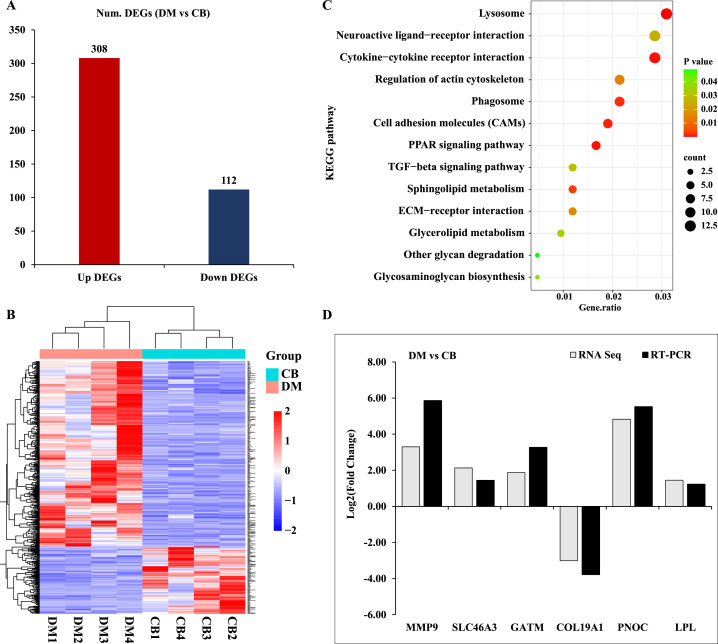
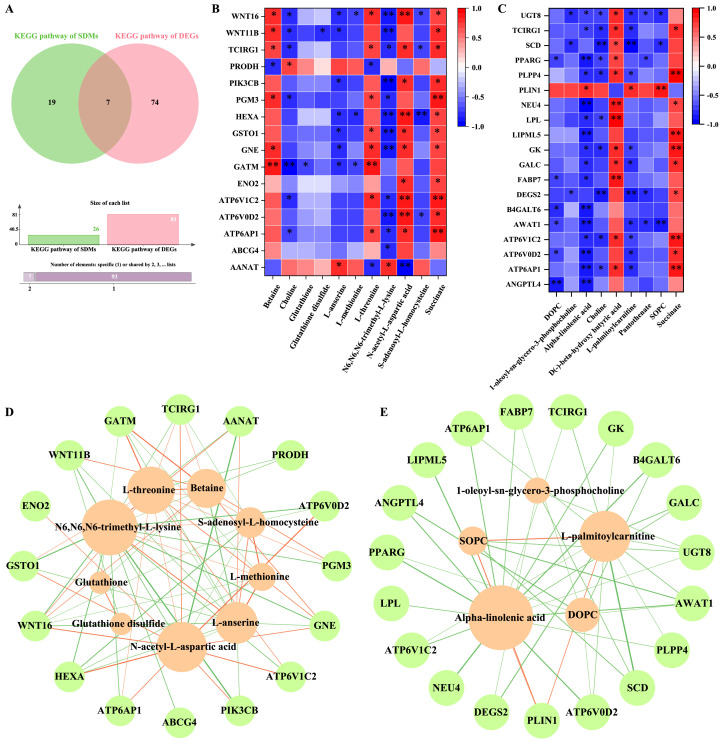
The quality and flavor of chicken are affected by muscle metabolites and related regulatory genes, and the molecular regulation mechanism of meat quality is different among different breeds of chicken. In this study, 40 one-day-old Daweishan mini chicken (DM) and Cobb broiler (CB) were selected from each group, with 4 replicates and 10 chickens in each replicate. The chickens were reared until 90 d of age under the same management conditions. Then, metabolomics and transcriptomics data of 90-day-old DM (n = 4) and CB (n = 4) were integrated to analyze metabolites affecting breast muscle quality and flavor, and to explore the important genes regulating meat quality and flavor related metabolites. The results showed that a total of 38 significantly different metabolites (SDMs) and 420 differentially expressed genes (DEGs) were detected in the breast muscle of the 2 breeds. Amino acid and lipid metabolism may be the cause of meat quality and flavor difference between DM and CB chickens, involving metabolites such as L-methionine, betaine, N6, N6, N6-Trimethyl-L-lysine, L-anserine, glutathione, glutathione disulfide, L-threonine, N-Acetyl-L-aspartic acid, succinate, choline, DOPC, SOPC, alpha-linolenic acid, L-palmitoylcarnitine, etc. Important regulatory genes with high correlation with flavor amino acids (GATM, GSTO1) and lipids (PPARG, LPL, PLIN1, SCD, ANGPTL4, FABP7, GK, B4GALT6, UGT8, PLPP4) were identified by correlation analysis, and the gene-metabolite interaction network of breast muscle mass and flavor formation in DM chicken was constructed. This study showed that there were significant differences in breast metabolites between DM and CB chickens, mainly in amino acid and lipid metabolites. These 2 kinds of substances may be the main reasons for the difference in breast muscle quality and flavor between the 2 breeds. In general, this study could provide a theoretical basis for further research on the molecular regulatory mechanism of the formation of breast muscle quality and flavor differences between DM and CB chickens, and provide a reference for the development, utilization and genetic breeding of high-quality meat chicken breeds.
鸡肉的品质和风味受肌肉代谢物和相关调控基因的影响,不同品种鸡肉的肉质分子调控机制存在差异。本研究从每个品种中选取 40 只 1 日龄大围山微型鸡(DM)和科宝肉鸡(CB),每个重复 4 只,共 4 个重复,每个重复 10 只鸡。在相同的管理条件下饲养至 90 日龄。然后整合 90 日龄 DM(n = 4)和 CB(n = 4)的代谢组学和转录组学数据,分析影响胸肌品质和风味的代谢物,探索调控肉质和风味相关代谢物的重要基因。结果表明,在 2 个品种的胸肌中共检测到 38 个差异显著代谢物(SDMs)和 420 个差异表达基因(DEGs)。氨基酸和脂质代谢可能是 DM 和 CB 鸡肉质和风味差异的原因,涉及 L-蛋氨酸、甜菜碱、N6,N6,N6-三甲基-L-赖氨酸、L-鸭肌肽、谷胱甘肽、谷胱甘肽二硫化物、L-苏氨酸、N-乙酰-L-天冬氨酸、琥珀酸、胆碱、DOPC、SOPC、α-亚麻酸、L-软脂酰肉碱等代谢物。通过相关性分析,鉴定出与风味氨基酸(GATM、GSTO1)和脂质(PPARG、LPL、PLIN1、SCD、ANGPTL4、FABP7、GK、B4GALT6、UGT8、PLPP4)高度相关的重要调控基因,并构建了 DM 鸡胸肌质量和风味形成的基因-代谢物互作网络。本研究表明,DM 和 CB 鸡的胸肌代谢物存在显著差异,主要集中在氨基酸和脂质代谢物。这两种物质可能是这两个品种胸肌品质和风味差异的主要原因。总之,本研究可为进一步研究 DM 和 CB 鸡胸肌品质和风味差异形成的分子调控机制提供理论依据,为优质肉用鸡品种的开发、利用和遗传育种提供参考。