Shafiee-Ardestani Zahra, Shafiee Fatemeh
Department of Pharmaceutical Biotechnology, School of Pharmacy and Pharmaceutical Sciences, Isfahan University of Medical Sciences, Isfahan, I.R. Iran.
Res Pharm Sci. 2024 Feb 6;19(1):93-104. doi: 10.4103/1735-5362.394824. eCollection 2024 Feb.
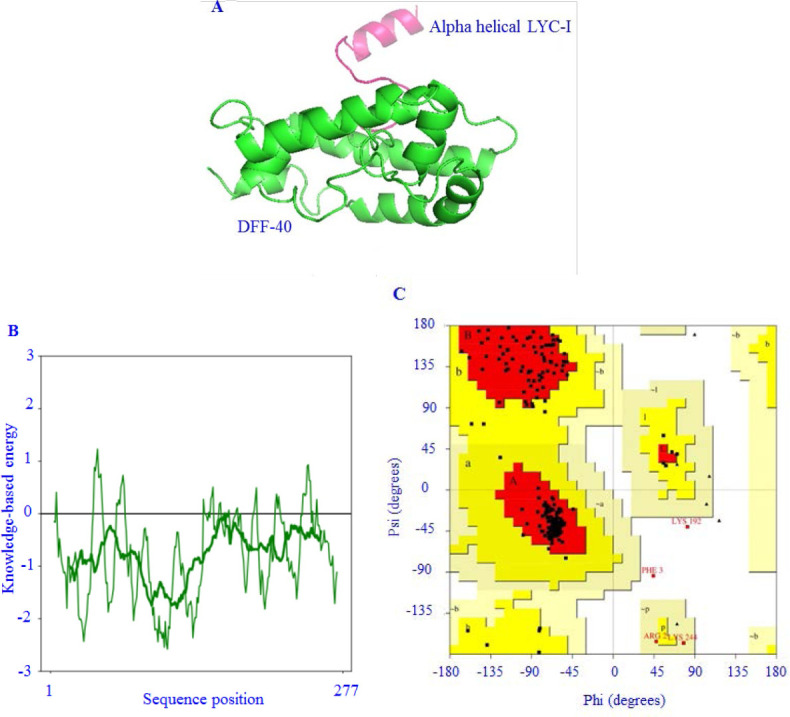
DNA fragmentation factor 40 (DFF40) as an apoptotic molecule can represent a novel approach to cancer treatment. Lycosin-I (LYC-I), a peptide derived from spider venom, was considered for the targeted delivery of DFF40 to cancer cells. This study attempted to produce soluble DFF40-LYC-I and evaluate its selective lethal effects on HeLa cells.
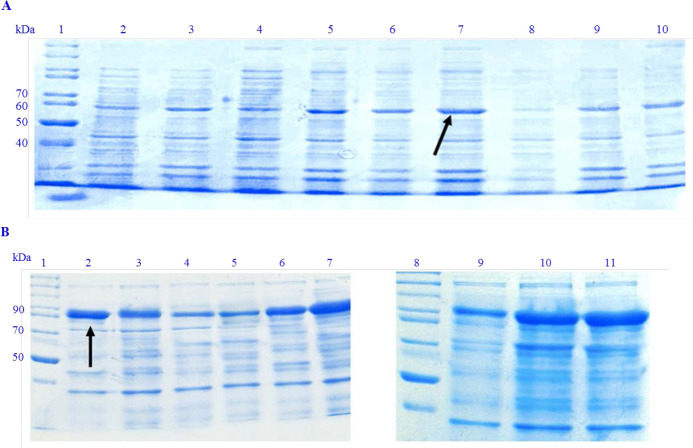
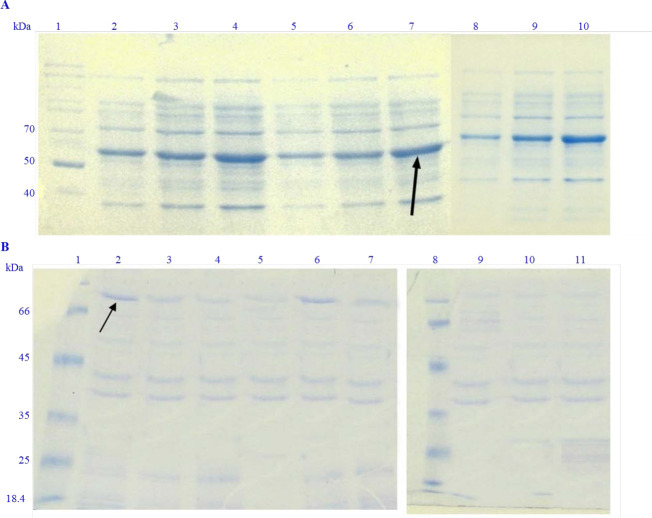
pTWINl vector was used to produce LYC-I and DFF40-LYC-I in BL21 (DE3) fused to inteins 1 and 2. IPTG concentration and incubation temperature were optimized to achieve the highest level of soluble product. To remove inteins 1 and 2 from the recombinant peptide or protein, pH shift and dithiothreitol were used for a 24-h incubation period at room temperature, respectively. MTT assay was performed to assess the biological effects of these bio-molecules on HeLa and HUVEC cell lines.
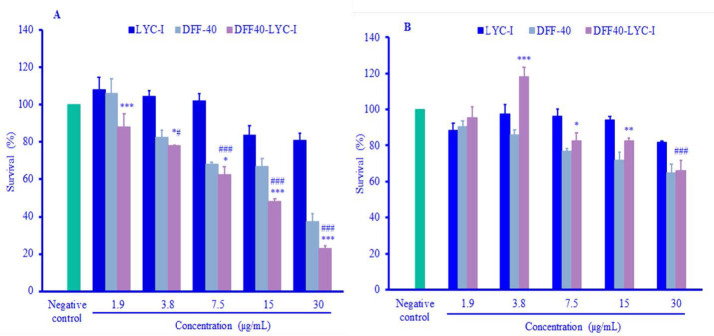
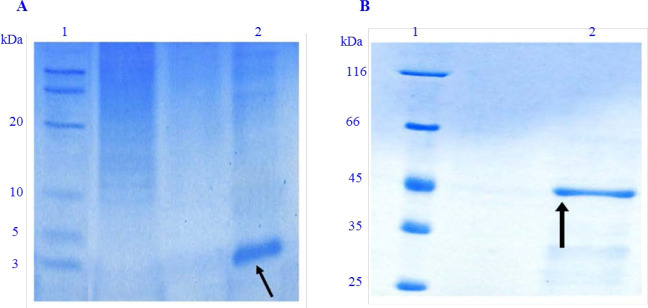
FINDINGS/RESULTS: LYC-I and DFF40-LYC-I were detected in SDS-PAGE with bands of approximately 57 and 97 kDa, respectively. Furthermore, the 3 and 43 kDa bands showed the purified molecules. The IC value of DFF40-LYC-I and DFF40 was determined as 6.6 and 17.03 μg/mL for HeLa, respectively. LYC-I had no cytotoxic effects on both cell lines, even at high concentrations.
A new fusion protein with targeted cancer treatment potential was produced for the first time by LYC-I with a safe profile on normal cells. This fusion protein exhibited higher cytotoxic effects in cancer cells compared to normal cells. However, additional investigations are required to determine the apoptosis induction and evaluate selective toxicity against other cancer and normal cell lines.
DNA片段化因子40(DFF40)作为一种凋亡分子,可能代表了一种新的癌症治疗方法。狼蛛溶血素-I(LYC-I)是一种源自蜘蛛毒液的肽,被考虑用于将DFF40靶向递送至癌细胞。本研究试图制备可溶性DFF40-LYC-I,并评估其对HeLa细胞的选择性致死作用。
使用pTWIN1载体在与内含肽1和2融合的BL21(DE3)中生产LYC-I和DFF40-LYC-I。优化异丙基-β-D-硫代半乳糖苷(IPTG)浓度和孵育温度以实现可溶性产物的最高水平。为了从重组肽或蛋白质中去除内含肽1和2,分别使用pH值变化和二硫苏糖醇在室温下孵育24小时。进行MTT试验以评估这些生物分子对HeLa和人脐静脉内皮细胞(HUVEC)细胞系的生物学作用。
在十二烷基硫酸钠-聚丙烯酰胺凝胶电泳(SDS-PAGE)中检测到LYC-I和DFF40-LYC-I,其条带分别约为57和97 kDa。此外,3和43 kDa的条带显示为纯化的分子。HeLa细胞中DFF40-LYC-I和DFF40的半数抑制浓度(IC)值分别确定为6.6和17.03 μg/mL。即使在高浓度下,LYC-I对两种细胞系均无细胞毒性作用。
首次通过LYC-I制备了一种具有靶向癌症治疗潜力的新型融合蛋白,其对正常细胞具有安全特性。与正常细胞相比,这种融合蛋白在癌细胞中表现出更高的细胞毒性作用。然而,需要进一步研究以确定其诱导凋亡作用,并评估对其他癌症和正常细胞系的选择性毒性。