AbbVie Bay Area, South San Francisco, CA, USA.
AbbVie, North Chicago, IL, USA.
Nat Cancer. 2024 Aug;5(8):1176-1194. doi: 10.1038/s43018-024-00789-y. Epub 2024 Jul 15.
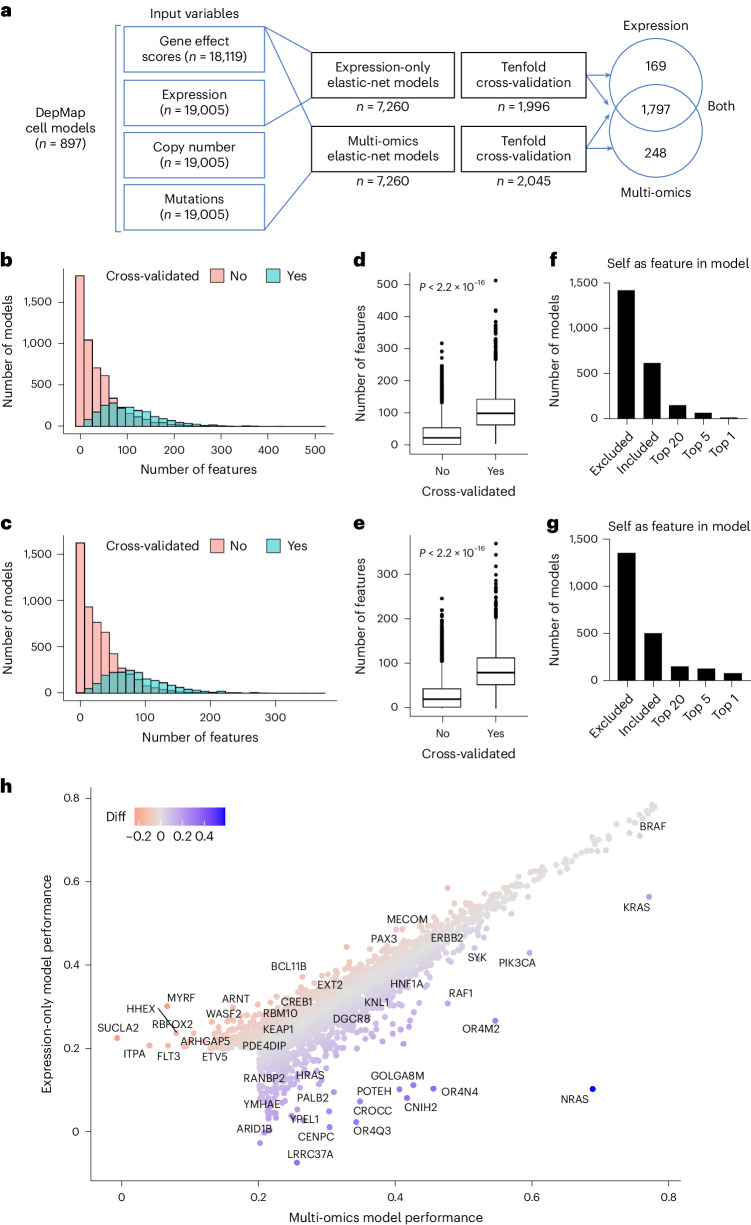
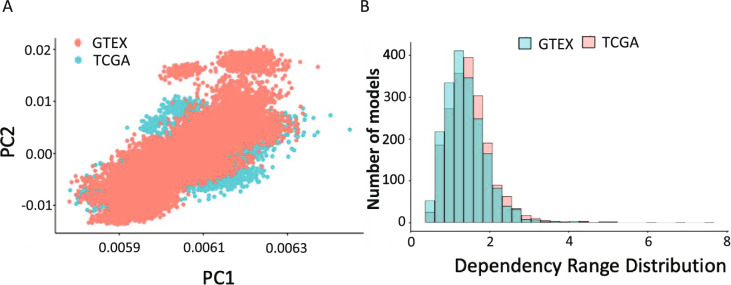
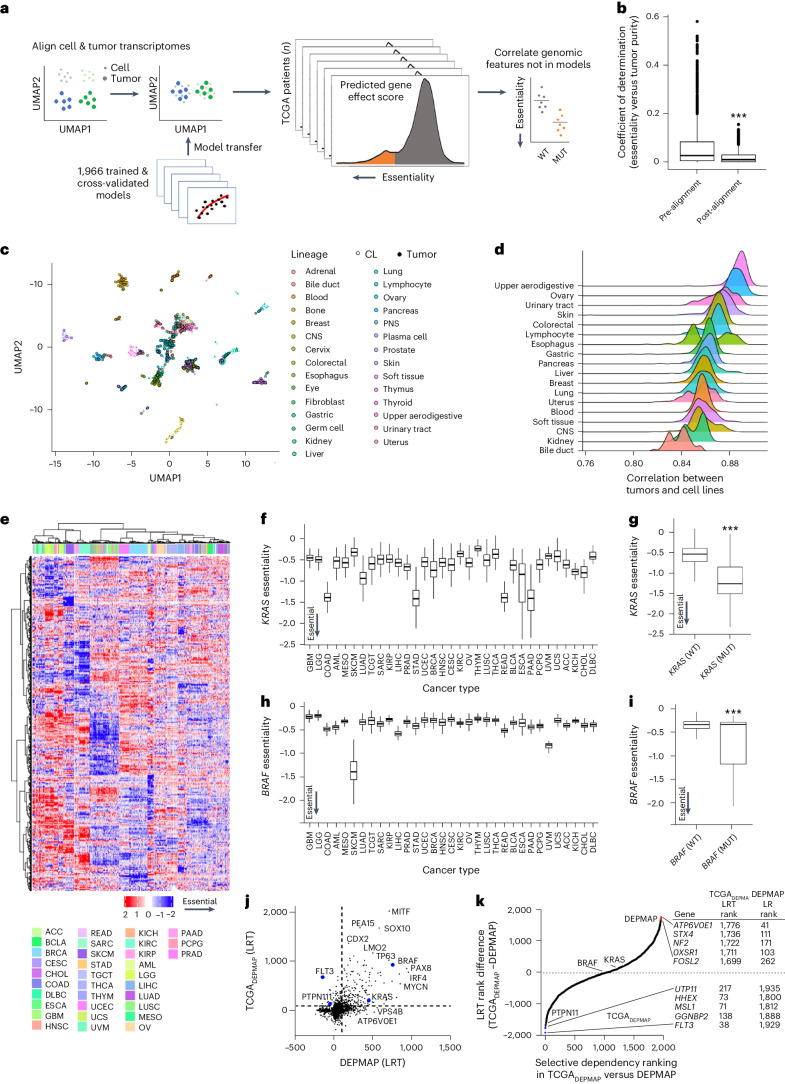
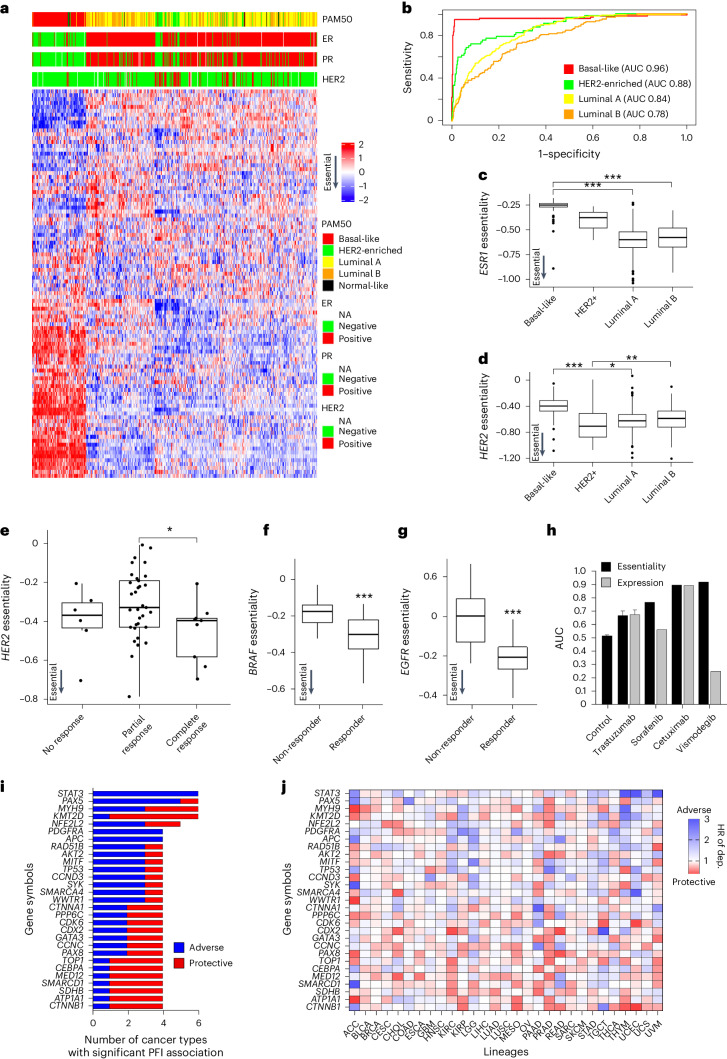
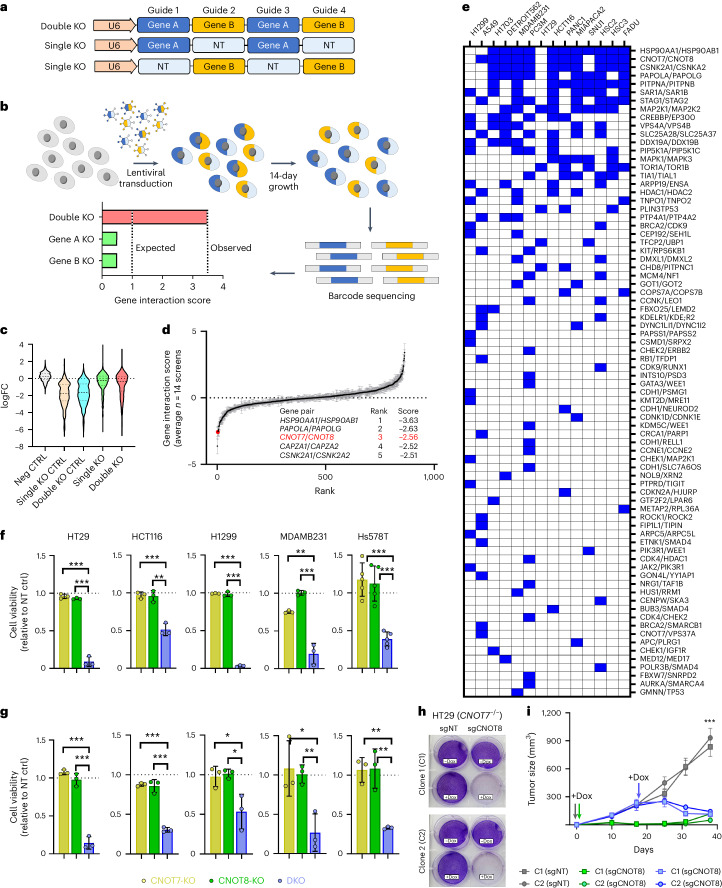
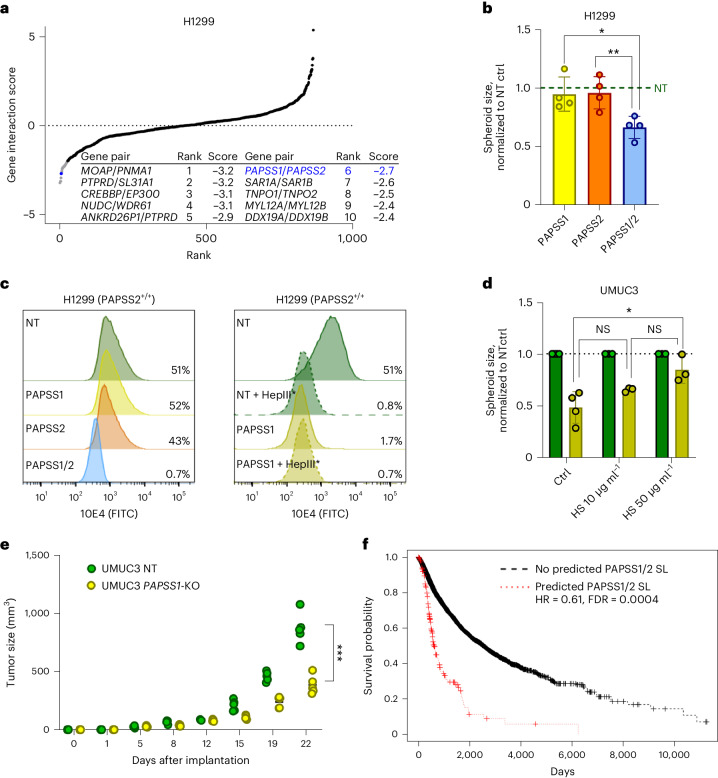
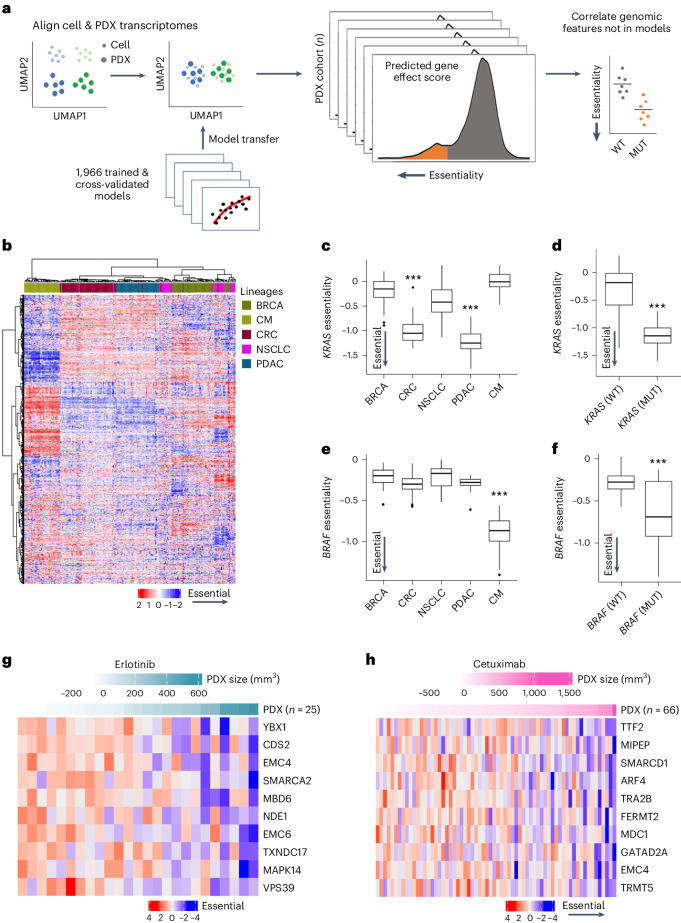
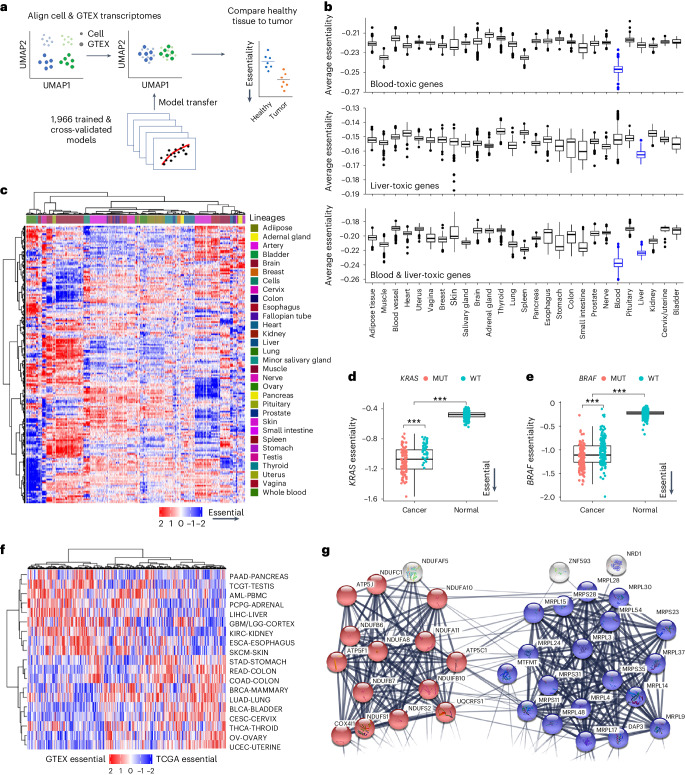
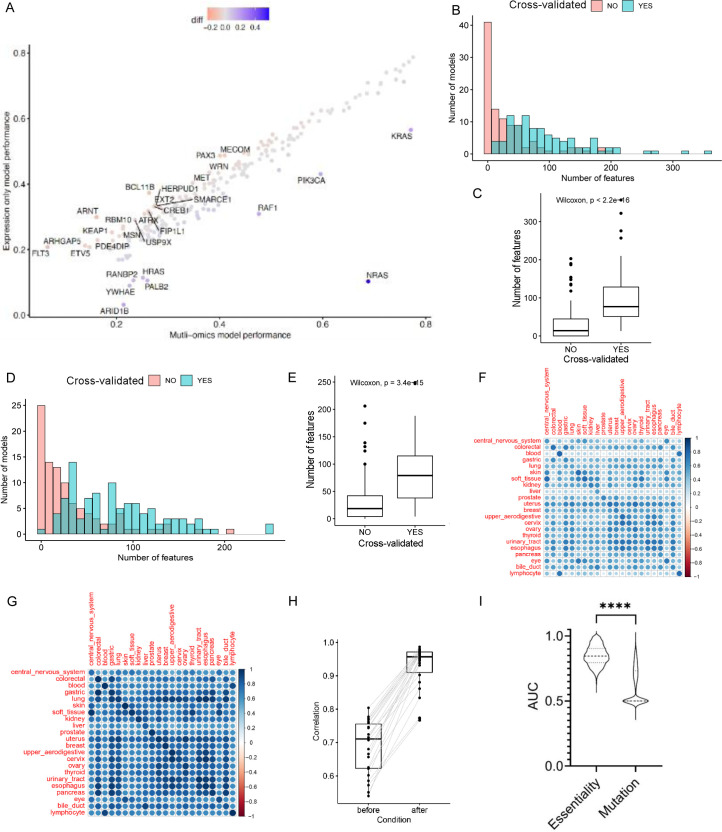
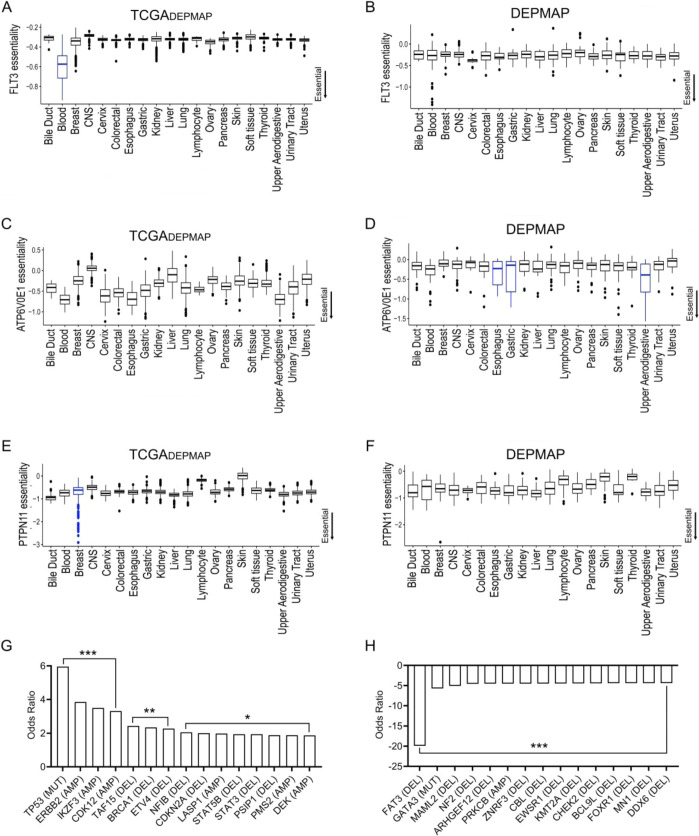
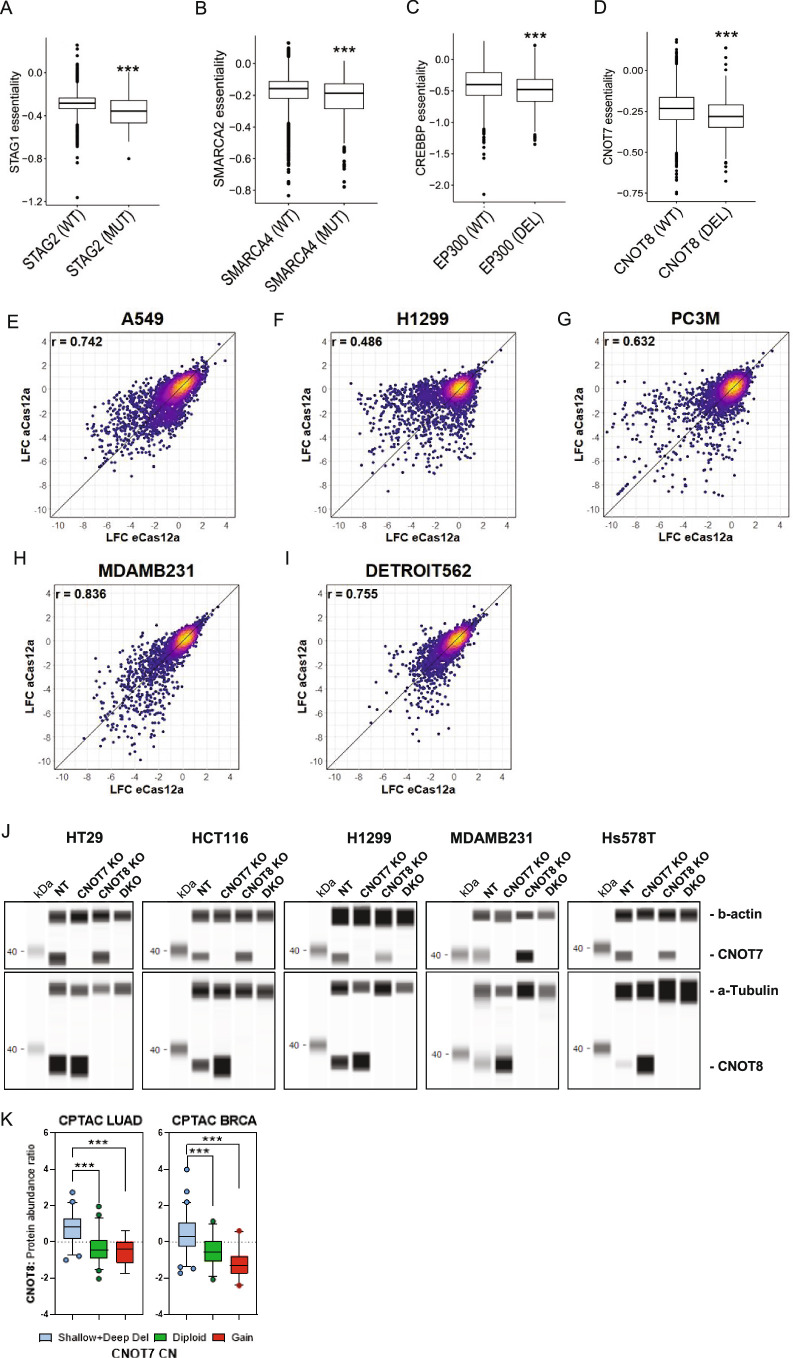
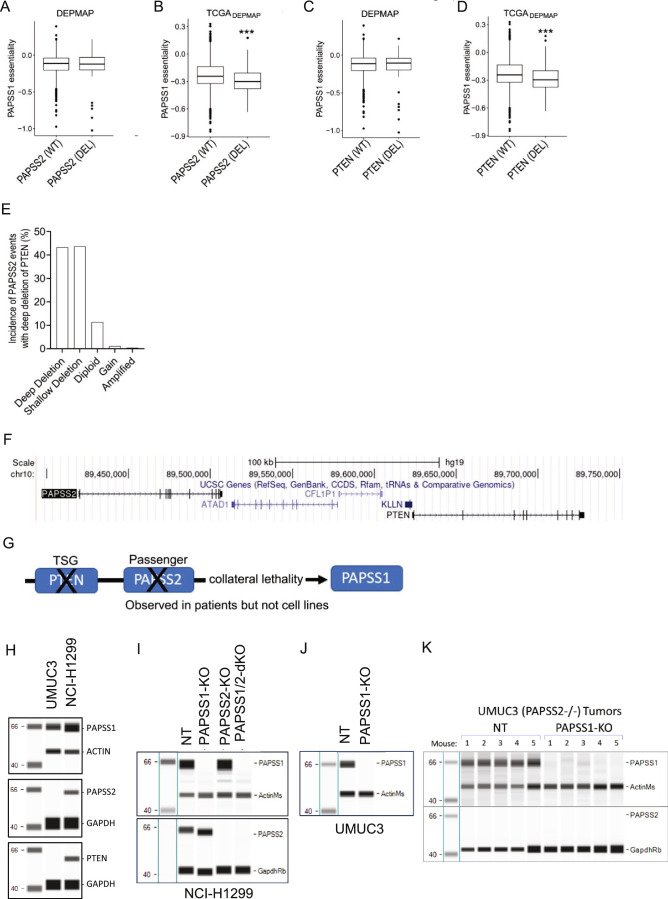
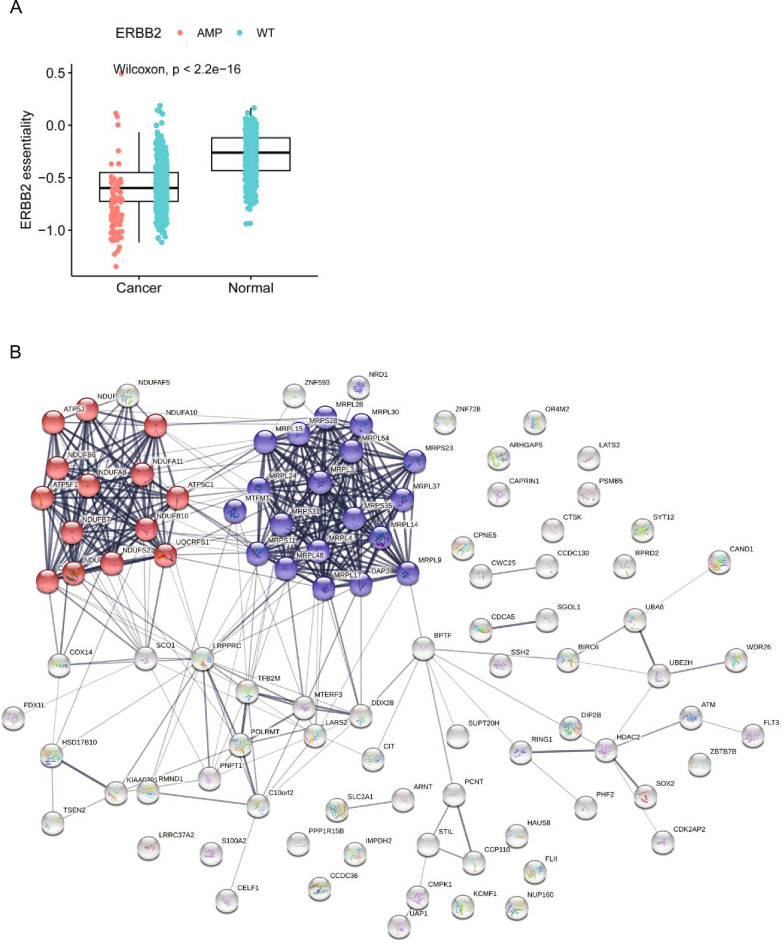
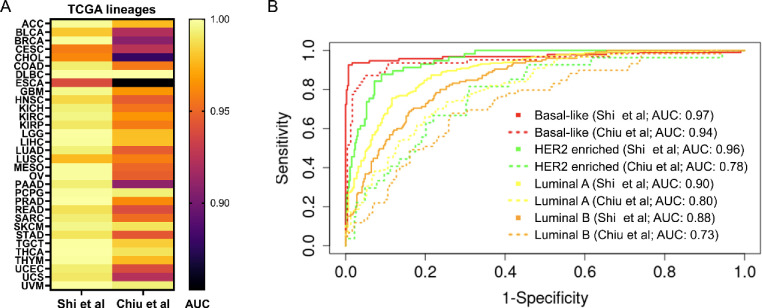
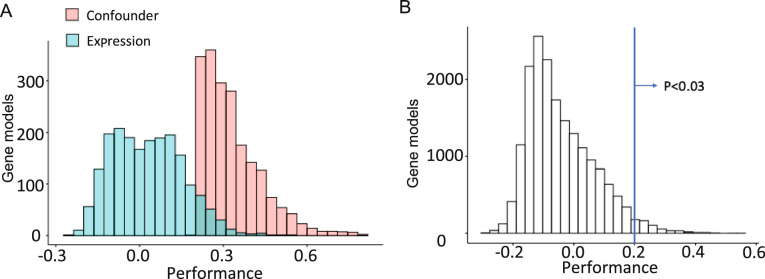
Cancer dependency maps have accelerated the discovery of tumor vulnerabilities that can be exploited as drug targets when translatable to patients. The Cancer Genome Atlas (TCGA) is a compendium of 'maps' detailing the genetic, epigenetic and molecular changes that occur during the pathogenesis of cancer, yet it lacks a dependency map to translate gene essentiality in patient tumors. Here, we used machine learning to build translational dependency maps for patient tumors, which identified tumor vulnerabilities that predict drug responses and disease outcomes. A similar approach was used to map gene tolerability in healthy tissues to prioritize tumor vulnerabilities with the best therapeutic windows. A subset of patient-translatable synthetic lethalities were experimentally tested, including PAPSS1/PAPSS12 and CNOT7/CNOT78, which were validated in vitro and in vivo. Notably, PAPSS1 synthetic lethality was driven by collateral deletion of PAPSS2 with PTEN and was correlated with patient survival. Finally, the translational dependency map is provided as a web-based application for exploring tumor vulnerabilities.
癌症依赖图谱加速了肿瘤脆弱性的发现,这些脆弱性在可转化为患者时可以作为药物靶点。癌症基因组图谱 (TCGA) 是一个“图谱”汇编,详细描述了癌症发病过程中发生的遗传、表观遗传和分子变化,但它缺乏依赖性图谱来翻译患者肿瘤中的基因必需性。在这里,我们使用机器学习为患者肿瘤构建了翻译依赖性图谱,该图谱确定了预测药物反应和疾病结果的肿瘤脆弱性。类似的方法被用于映射健康组织中的基因耐受性,以优先考虑具有最佳治疗窗口的肿瘤脆弱性。对一组具有潜在临床转化性的合成致死性进行了实验测试,包括 PAPSS1/PAPSS12 和 CNOT7/CNOT78,它们在体外和体内得到了验证。值得注意的是,PAPSS1 合成致死性是由 PAPSS2 与 PTEN 的 collateral deletion 驱动的,与患者生存相关。最后,该翻译依赖性图谱作为一个基于网络的应用程序提供,用于探索肿瘤脆弱性。