Laudari Uttam, Chaudhary Ashlesha, Bhusal Suzit, Chaudhary Aashutosh, Bhatta Baibhav, Malla Bala Ram
Department of Surgery, Kathmandu University School of Medical Sciences, Dhulikhel 45210, Nepal.
Everest Hospital Pvt Ltd, New Baneshwor, Kathmandu 44600, Nepal.
Int J Surg Case Rep. 2024 Aug;121:109989. doi: 10.1016/j.ijscr.2024.109989. Epub 2024 Jul 4.
Laparoscopic cholecystectomy is a commonly performed surgical procedure and there are instances where complications may occur intraoperatively which can go undiagnosed or unreported and the patient can present at a later time with the manifestations of those complications. This study presents a case series comprising three instances of "ghost complications" following laparoscopic cholecystectomy, emphasizing the utmost significance of careful follow-up care and efficient communication to promptly recognize and manage any complications arising after the surgery.
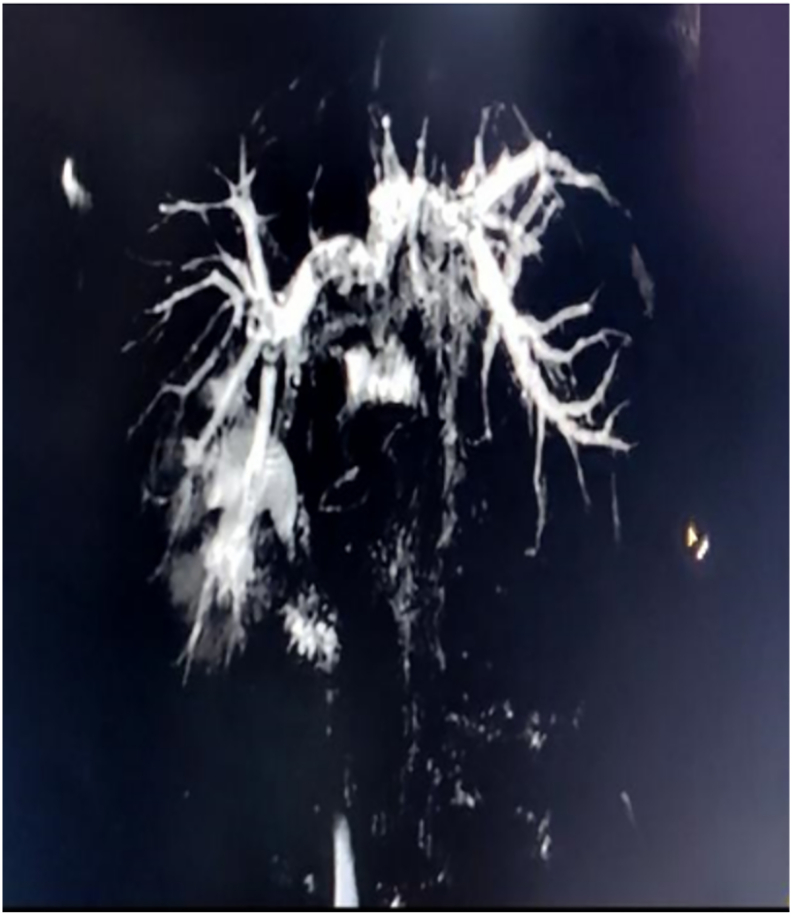
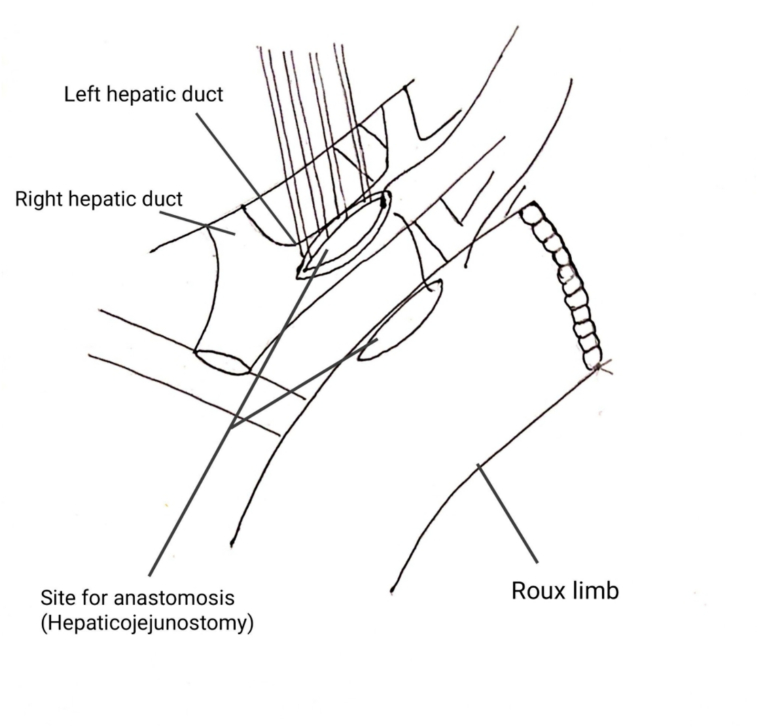
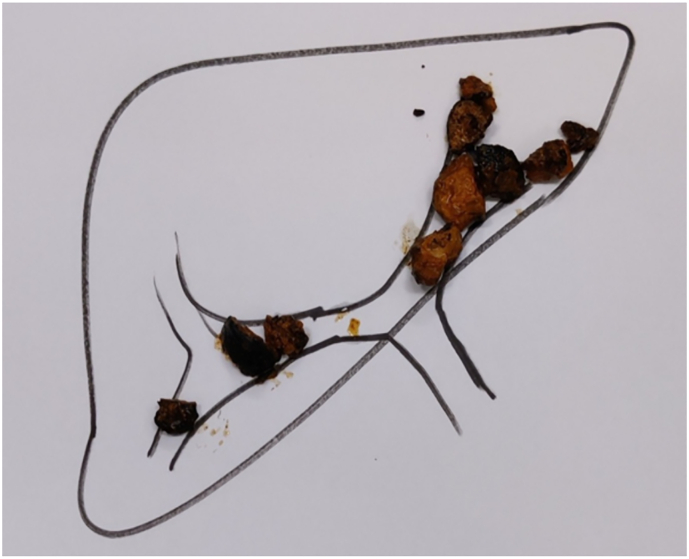
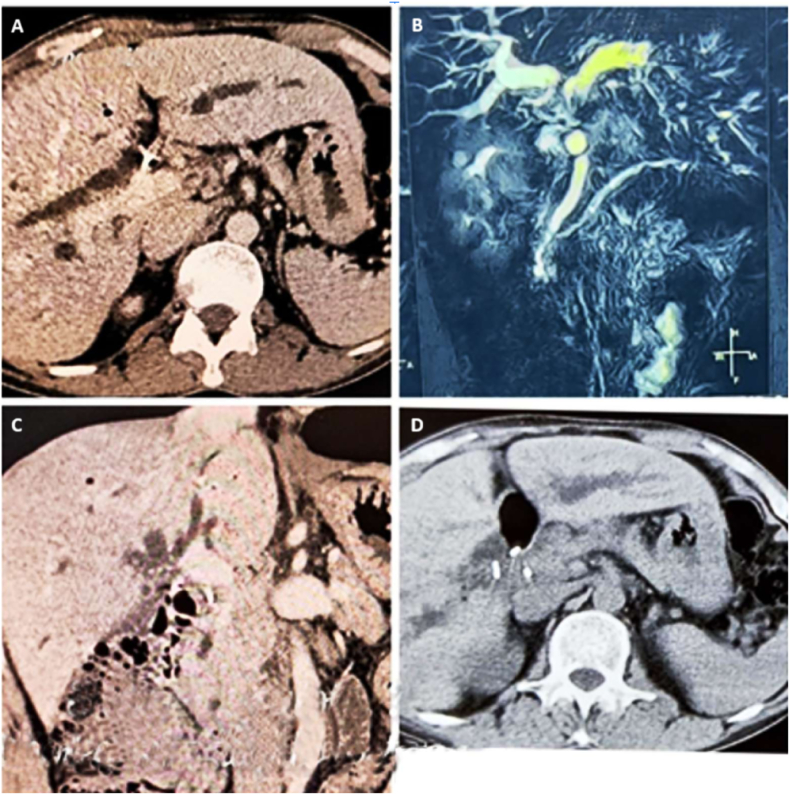
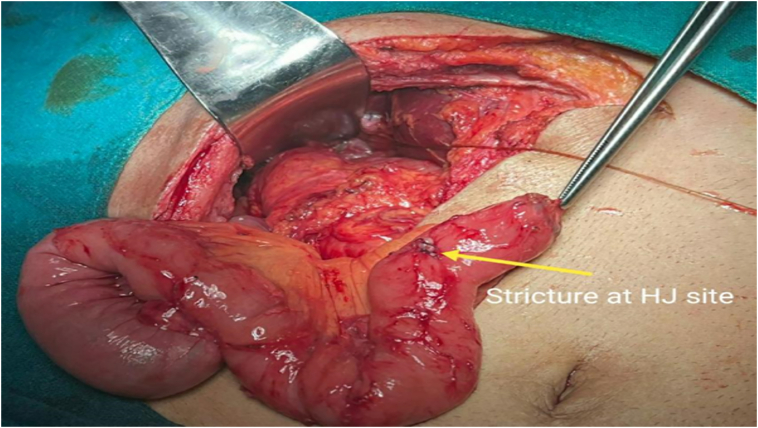
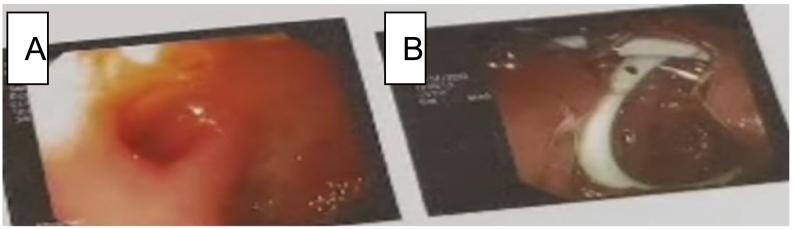
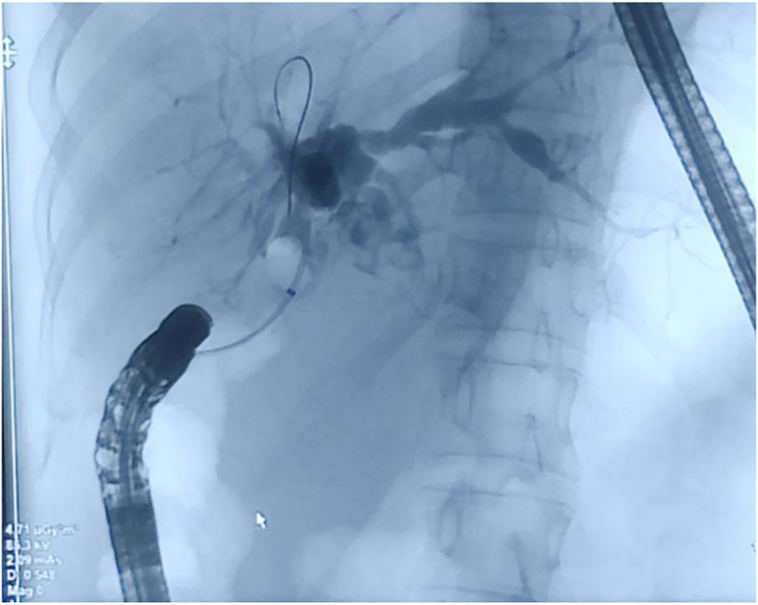
Three cases of ghost complications post-biliary surgery are presented. These complications were initially overlooked or dismissed due to factors such as atypical symptom presentation and inadequate follow-up. The cases involve retained stones leading to secondary complications, bile leak masked by postoperative symptoms, and post-cholecystectomy syndrome mistaken for unrelated conditions.
Diagnosing ghost complications is challenging when symptoms diverge from the expected postoperative course. Meticulous clinical suspicion and interdisciplinary collaboration are crucial for accurate diagnoses and timely intervention. Effective communication between patients and surgeons is pivotal in ensuring appropriate management.
This study illuminates the concept of "ghost complications" after biliary surgery, highlighting challenges in their recognition and management. Through three distinct cases, the study underscores the significance of vigilant follow-up care, early symptom recognition, and open communication to prevent and address such complications. Transparent communication and meticulous monitoring are vital for enhancing patient outcomes and mitigating the occurrence of "ghost complications."
腹腔镜胆囊切除术是一种常见的外科手术,术中可能会出现一些并发症,这些并发症可能未被诊断或报告,患者可能在后期出现这些并发症的表现。本研究呈现了一个病例系列,包括三例腹腔镜胆囊切除术后的“隐匿性并发症”,强调了仔细的随访护理和有效沟通对于及时识别和处理术后出现的任何并发症的至关重要性。
介绍了三例胆系手术后的隐匿性并发症病例。这些并发症最初因非典型症状表现和随访不足等因素而被忽视或漏诊。病例包括残留结石导致继发并发症、术后症状掩盖胆汁漏以及将胆囊切除术后综合征误诊为无关病症。
当症状与预期的术后病程不符时,诊断隐匿性并发症具有挑战性。细致的临床怀疑和多学科协作对于准确诊断和及时干预至关重要。患者与外科医生之间的有效沟通对于确保适当的处理至关重要。
本研究阐明了胆系手术后“隐匿性并发症”的概念,突出了其识别和处理中的挑战。通过三个不同的病例,该研究强调了警惕的随访护理、早期症状识别以及开放沟通对于预防和处理此类并发症的重要性。透明的沟通和细致的监测对于改善患者预后和减少“隐匿性并发症”的发生至关重要。