Massarotti Claudia, Cimadomo Danilo, Spadoni Valentina, Conforti Alessandro, Zacà Carlotta, Carosso Andrea Roberto, Vaiarelli Alberto, Venturella Roberta, Vitagliano Amerigo, Busnelli Andrea, Cozzolino Mauro, Borini Andrea
Physiopathology of Human Reproduction, IRCCS Ospedale Policlinico San Martino, Largo R. Benzi, 10, 16132, Genova, Italy.
Department of Neurosciences, Rehabilitation, Ophthalmology, Genetics and Maternal and Child Health (DINOGMI Department), University of Genova, Genova, Italy.
J Assist Reprod Genet. 2024 Sep;41(9):2521-2535. doi: 10.1007/s10815-024-03197-4. Epub 2024 Jul 20.
This position statement by the Italian Society of Fertility and Sterility and Reproductive Medicine (SIFES-MR) aims to establish an optimal framework for fertility preservation outside the standard before oncological therapies. Key topics include the role of fertility units in comprehensive fertility assessment, factors impacting ovarian potential, available preservation methods, and appropriate criteria for offering such interventions.
The SIFES-MR writing group comprises Italian reproductive physicians, embryologists, and scientists. The consensus emerged after a six-month period of meetings, including extensive literature review, dialogue among authors and input from society members. Final approval was granted by the SIFES-MR governing council.
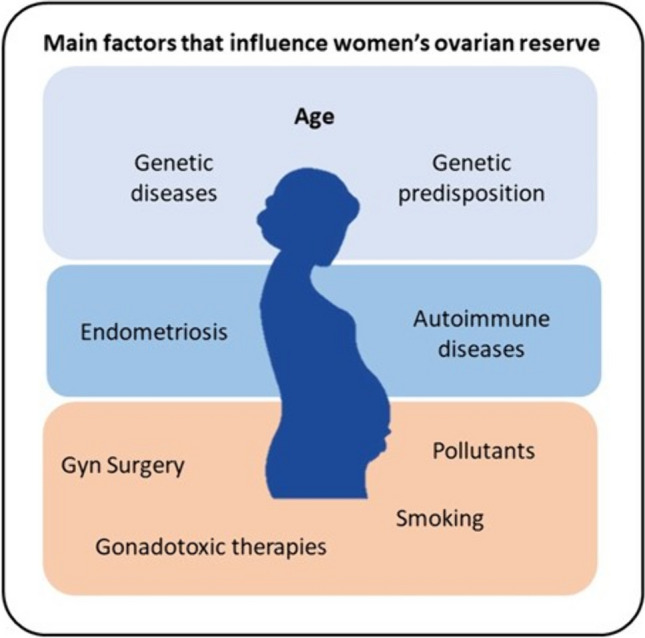
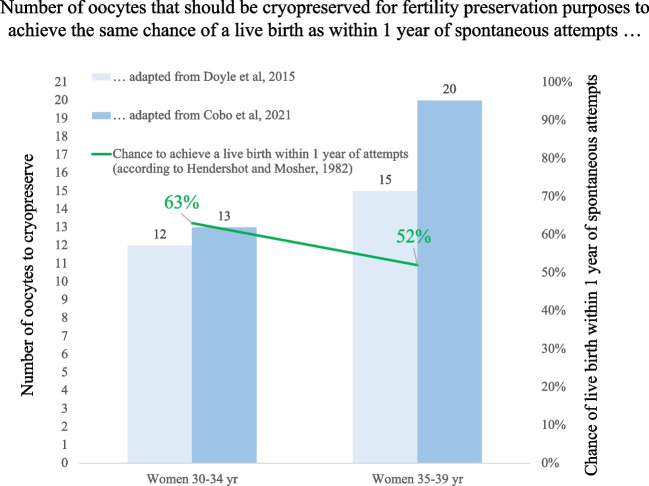
Fertility counselling transitions from urgent to long-term care, emphasizing family planning. Age, along with ovarian reserve markers, is the primary predictor of female fertility. Various factors, including gynecological conditions, autoimmune disorders, and prior gonadotoxic therapies, may impact ovarian reserve. Oocyte cryopreservation should be the preferred method. Women 30-34 years old and 35-39 years old, without known pathologies impacting the ovarian reserve, should cryopreserve at least 12-13 and 15-20 oocytes to achieve the same chance of a spontaneous live birth they would have if they tried to conceive at the age of cryopreservation (63% and 52%, respectively in the two age groups).
Optimal fertility counselling necessitates a long-term approach, that nurtures an understanding of fertility, facilitates timely evaluation of factors that may affect fertility, and explores fertility preservation choices at opportune intervals.
意大利生育与不育及生殖医学学会(SIFES-MR)的这份立场声明旨在建立一个肿瘤治疗前标准之外的生育力保存的最佳框架。关键主题包括生育力单位在全面生育力评估中的作用、影响卵巢潜能的因素、可用的保存方法以及提供此类干预的适当标准。
SIFES-MR写作小组由意大利生殖医生、胚胎学家和科学家组成。经过为期六个月的会议达成共识,包括广泛的文献综述、作者之间的对话以及社会成员的意见。最终由SIFES-MR理事会批准。
生育咨询从紧急护理转变为长期护理,强调计划生育。年龄以及卵巢储备标志物是女性生育力的主要预测指标。包括妇科疾病、自身免疫性疾病和先前的性腺毒性治疗在内的各种因素可能会影响卵巢储备。卵母细胞冷冻保存应是首选方法。30 - 34岁和35 - 39岁且无已知影响卵巢储备的病理情况的女性,应分别冷冻保存至少12 - 13枚和15 - 20枚卵母细胞,以获得与她们在冷冻保存时尝试受孕相同的自然活产机会(两个年龄组分别为63%和52%)。
最佳的生育咨询需要一种长期方法,这种方法能培养对生育力的理解,便于及时评估可能影响生育力的因素,并在适当的时候探索生育力保存选择。