Jia Zimu, Sun Shida, Zhao Deming, Bo Yu, Wang Zifa
State Key Laboratory of Atmospheric Boundary Layer Physics and Atmospheric Chemistry, Institute of Atmospheric Physics, Chinese Academy of Sciences, Beijing 100029, China.
Ministry of Education Key Laboratory for Earth System Modeling, Department of Earth System Science, Tsinghua University, Beijing 100084, China.
Toxics. 2024 Jul 9;12(7):498. doi: 10.3390/toxics12070498.
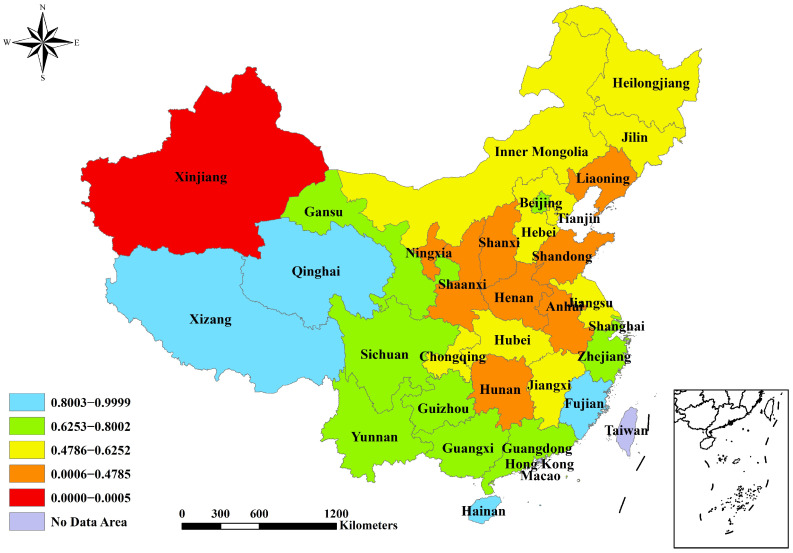
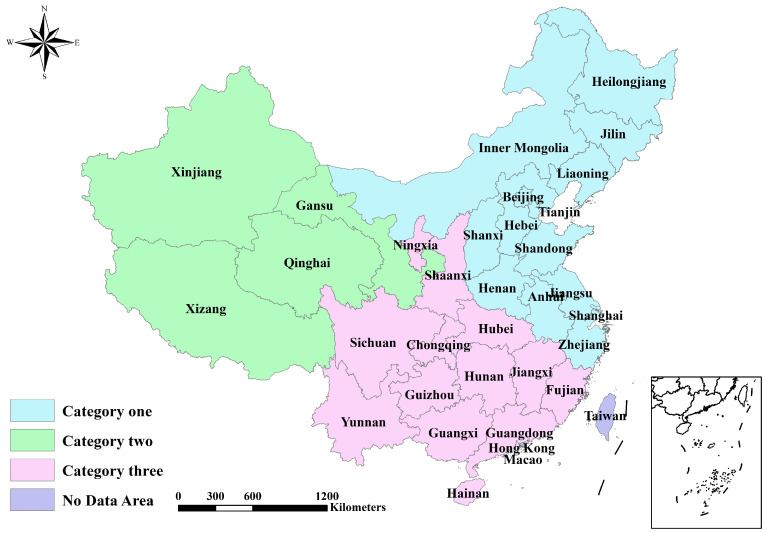
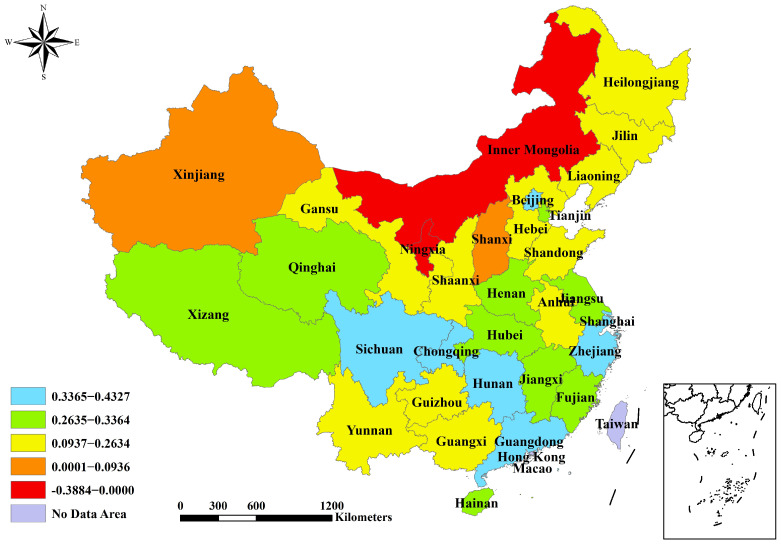
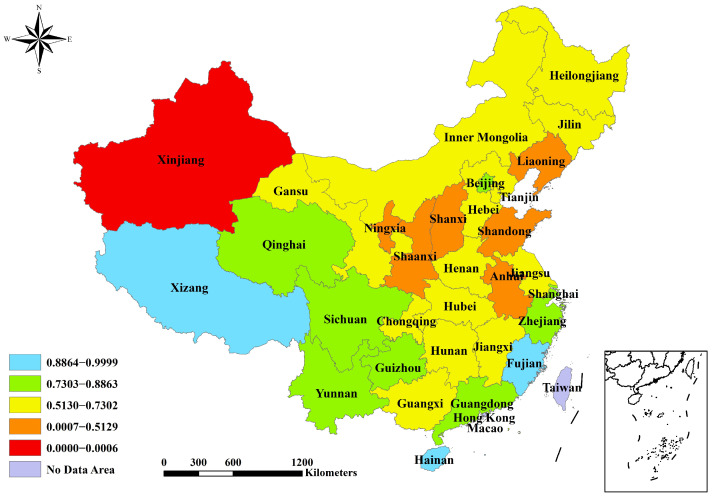
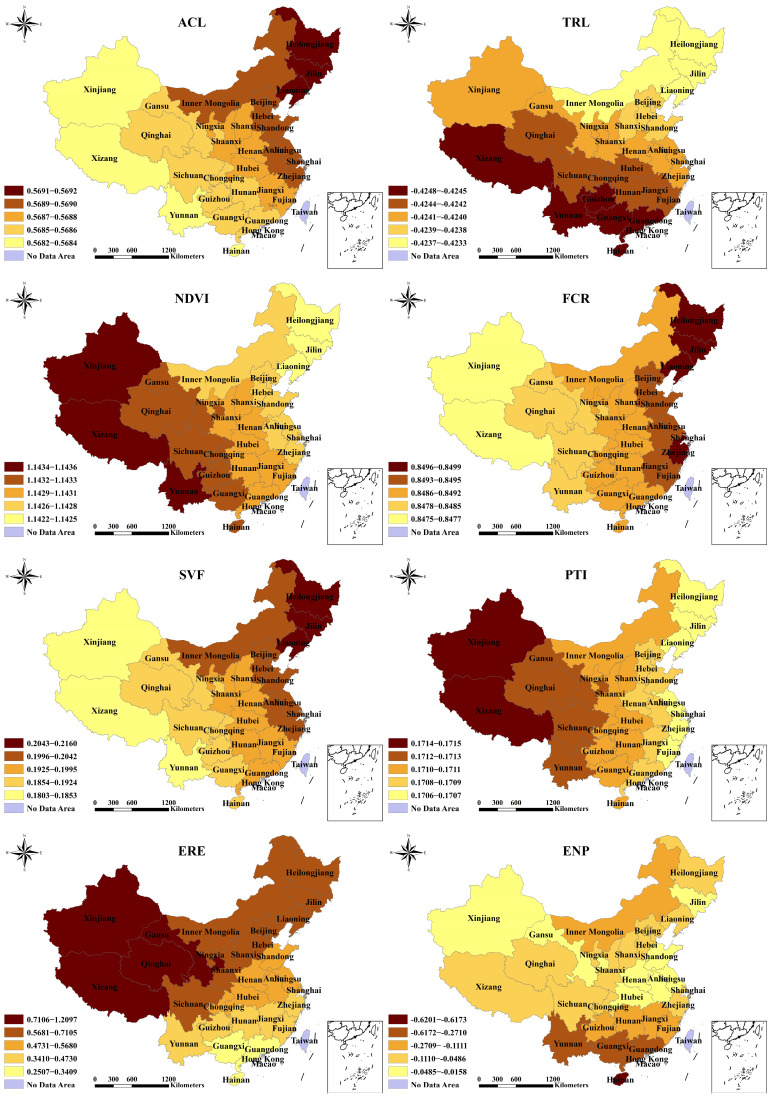
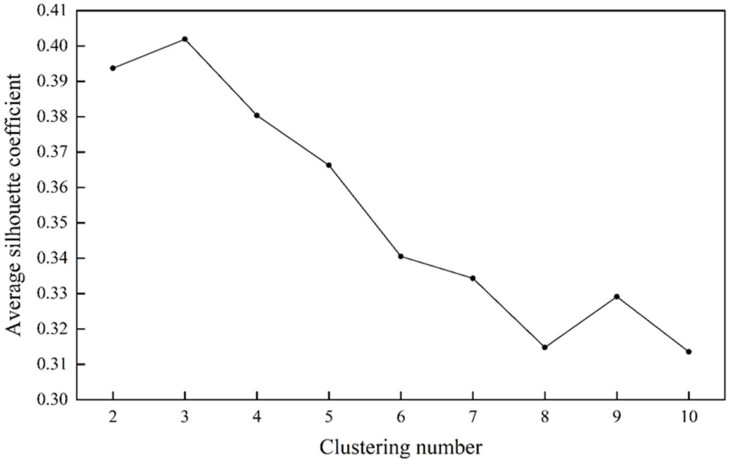
China has identified the synergistic reduction of pollution and carbon emissions as a crit ical component of its environmental protection and climate mitigation efforts. An assessment of this synergy can provide clarity on the strategic management of both air pollution and carbon emissions. Due to the extensive regional differences in China, the spatial effects of influencing factors on this synergy exhibit variation across different provinces. In this study, the reduction indexes of PM and CO were calculated based on their reduction bases, reduction efforts, and reduction stabilities across provinces. Then, the synergistic reduction effect was assessed using an exponential function with the PM reduction index as the base and the CO reduction index as the exponent. Next, the MGWR model was applied in order to analyze the influencing factors of the synergistic reduction effect, considering natural settings, socioeconomic conditions, and external emission impacts. Finally, the k-means clustering method was utilized to classify provinces into different categories based on the degree of impact of each influencing factor. The results indicated that air circulation, vegetation, tertiary industry ratio, and emission reduction efficiency are major impact indicators that have a positive effect. The topography and emissions from neighboring provinces have a statistically significant negative impact. The spatial influences of different factors exhibit a distribution trend characterized by a high-high cluster and a low-low cluster. A total of 31 provinces are divided into three categories, and suggestions on the corresponding category are proposed, to provide a scientific reference to the synergistic reduction of PM and CO.
中国已将协同减少污染和碳排放确定为其环境保护和气候缓解努力的关键组成部分。对这种协同效应的评估可以为空气污染和碳排放的战略管理提供清晰的认识。由于中国地域差异广泛,影响因素对这种协同效应的空间影响在不同省份呈现出差异。在本研究中,基于各省的PM和CO减排基数、减排努力程度和减排稳定性计算了它们的减排指标。然后,以PM减排指标为底数、CO减排指标为指数,使用指数函数评估协同减排效果。接下来,应用MGWR模型,考虑自然环境、社会经济条件和外部排放影响,分析协同减排效果的影响因素。最后,利用k均值聚类方法,根据各影响因素的影响程度将省份分为不同类别。结果表明,大气环流、植被、第三产业比重和减排效率是具有积极影响的主要影响指标。地形和邻省排放具有显著的负面影响。不同因素的空间影响呈现出高高集聚和低低集聚的分布趋势。将31个省份共分为三类,并针对相应类别提出建议,为PM和CO的协同减排提供科学参考。