Department of Medical Genetics, Faculty of Medicine and Dentistry, University of Alberta, Edmonton, AB T6G 2R3, Canada.
Department of Biological Sciences, Faculty of Science, University of Alberta, Edmonton, AB T6G 2R3, Canada.
Genes (Basel). 2024 Jun 21;15(7):821. doi: 10.3390/genes15070821.
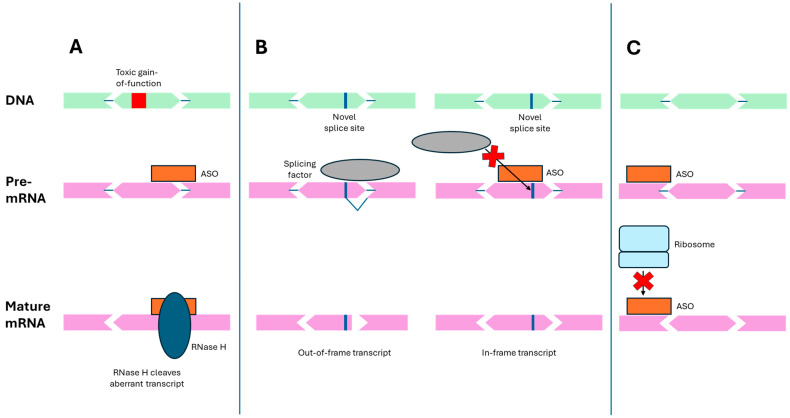
The process of developing therapies to treat rare diseases is fraught with financial, regulatory, and logistical challenges that have limited our ability to build effective treatments. Recently, a novel type of therapy called antisense therapy has shown immense potential for the treatment of rare diseases, particularly through single-patient N-of-1 trials. Several N-of-1 antisense therapies have been developed recently for rare diseases, including the landmark study of milasen. In response to the success of N-of-1 antisense therapy, the Food and Drug Administration (FDA) has developed unique guidelines specifically for the development of antisense therapy to treat N-of-1 rare diseases. This policy change establishes a strong foundation for future therapy development and addresses some of the major limitations that previously hindered the development of therapies for rare diseases.
开发治疗罕见病的疗法的过程充满了财务、监管和后勤方面的挑战,这些挑战限制了我们构建有效治疗方法的能力。最近,一种新型的治疗方法,称为反义疗法,在治疗罕见病方面显示出了巨大的潜力,尤其是通过单患者 N-of-1 试验。最近已经开发了几种用于治疗罕见病的 N-of-1 反义疗法,包括里程碑式的 milasen 研究。为了响应 N-of-1 反义疗法的成功,美国食品和药物管理局 (FDA) 专门制定了针对 N-of-1 罕见病反义疗法开发的独特指南。这一政策变化为未来的治疗方法开发奠定了坚实的基础,并解决了以前阻碍罕见病治疗方法开发的一些主要限制。