Institute of Ecology and Sustainable Development, Dagestan State University, Makhachkala, Russia.
Caspian Centre for Nature Conservation, International Institute of Ecology and Sustainable Development, Association of Universities and Research Centers of Caspian Region States, Makhachkala, Russia.
Front Cell Infect Microbiol. 2024 Jun 26;14:1325977. doi: 10.3389/fcimb.2024.1325977. eCollection 2024.
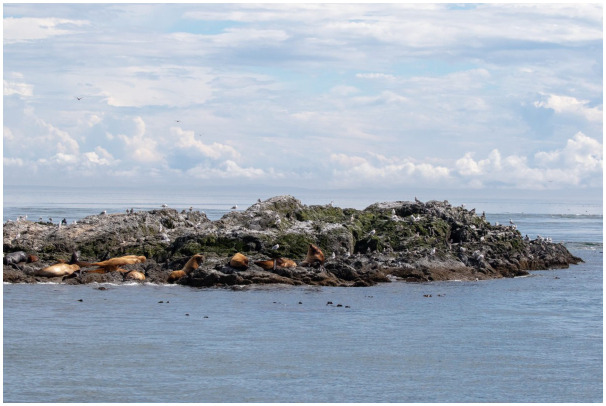
This study reviews chronologically the international scientific and health management literature and resources relating to impacts of highly pathogenic avian influenza (HPAI) viruses on pinnipeds in order to reinforce strategies for the conservation of the endangered Caspian seal (), currently under threat from the HPAI H5N1 subtype transmitted from infected avifauna which share its haul-out habitats. Many cases of mass pinniped deaths globally have occurred from HPAI spill-overs, and are attributed to infected sympatric aquatic avifauna. As the seasonal migrations of Caspian seals provide occasions for contact with viruses from infected migratory aquatic birds in many locations around the Caspian Sea, this poses a great challenge to seal conservation. These are thus critical locations for the surveillance of highly pathogenic influenza A viruses, whose future reassortments may present a pandemic threat to humans.
本研究按时间顺序回顾了国际科学和卫生管理文献及资源,这些文献和资源涉及高致病性禽流感 (HPAI) 病毒对鳍足类动物的影响,以加强保护濒危里海海豹()的策略。目前,里海海豹受到与其在栖息地共同出没的感染了 HPAI H5N1 亚型病毒的禽类的威胁。全球许多鳍足类动物大量死亡的情况是 HPAI 溢出的结果,原因是受感染的同域水生禽类。由于里海海豹的季节性迁徙使其在里海周围的许多地方有机会接触到感染的迁徙水鸟中的病毒,这对海豹的保护构成了巨大挑战。因此,这些地区是高致病性流感 A 病毒监测的关键地点,这些病毒的未来重组可能对人类构成大流行威胁。