Qi Mei-Li, Wang Wen, Liu Xiao-Cun, Wang Xiaoying, Li Jin, Zhang Haijun
School of Transportation Civil Engineering, Shandong Jiaotong University, Ji'nan, China.
Shanghai Tenth People's Hospital, School of Medicine, Tongji University, Shanghai, China.
Front Chem. 2024 Jul 18;12:1442824. doi: 10.3389/fchem.2024.1442824. eCollection 2024.
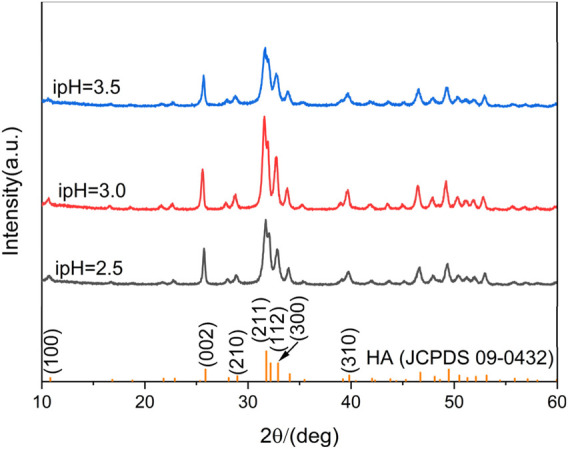
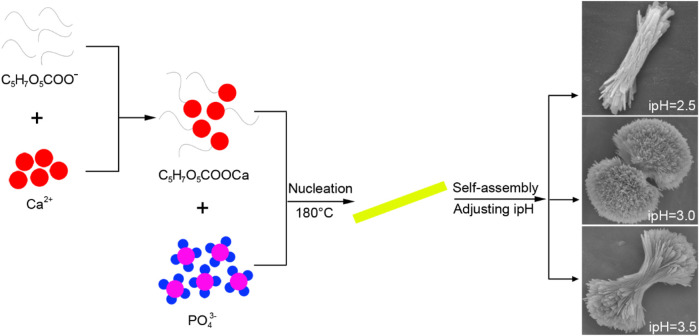
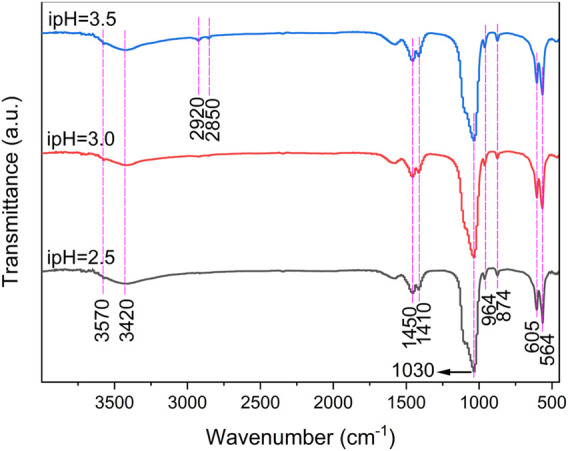
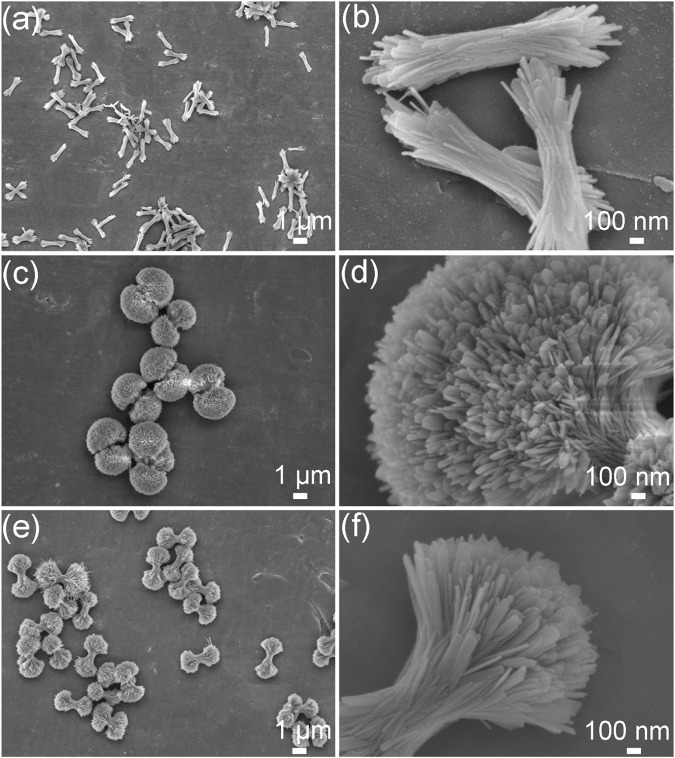
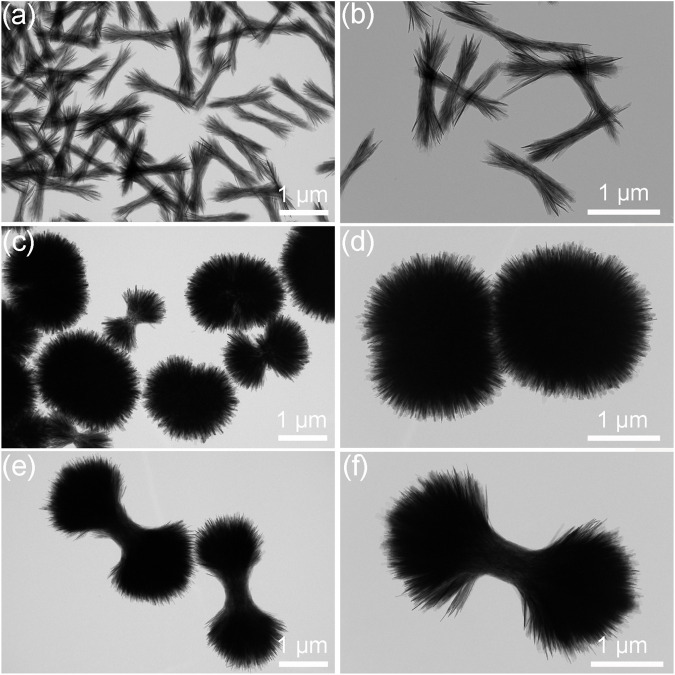
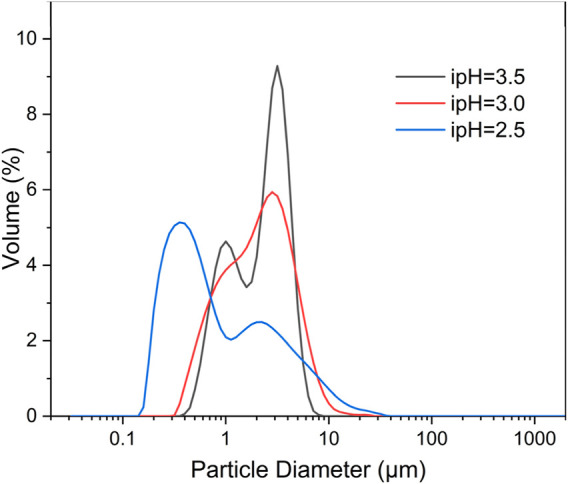
In this study, a trisodium citrate (TSC)-assisted hydrothermal method is utilized to prepare three-dimensional hydroxyapatite (3D HA). Understanding the role of TSC in the preparation of 3D HA crystals may provide valuable methods to design advanced biomaterials. As one of the indexes of solution supersaturation, the initial pH (ipH) value can not only directly affect the nucleation rate, but also affect the growth of HA crystals. In this work, the effect of the ipH on the microstructure, particle size distribution, and specific surface area of the 3D HA is explored. Results showed that the morphology of 3D HA transformed from a bundle to a dumbbell ball and then a dumbbell with an increase in the ipH. A corresponding mechanism of such a structural evolution was proposed, providing inspiration for the fabrication of innovative 3D HA structures with enhanced biological functionality and performance.
在本研究中,采用柠檬酸三钠(TSC)辅助水热法制备三维羟基磷灰石(3D HA)。了解TSC在3D HA晶体制备中的作用可为设计先进生物材料提供有价值的方法。作为溶液过饱和度的指标之一,初始pH(ipH)值不仅能直接影响成核速率,还会影响HA晶体的生长。在本工作中,探究了ipH对3D HA的微观结构、粒径分布和比表面积的影响。结果表明,随着ipH的增加,3D HA的形态从束状转变为哑铃球,然后变为哑铃状。提出了这种结构演变的相应机制,为制备具有增强生物功能和性能的创新型3D HA结构提供了灵感。