Rare and Neurologic Diseases Research, Sanofi, Cambridge, MA, USA.
Genomics Medicine Unit, Sanofi, Waltham, MA, USA.
Commun Biol. 2024 Aug 2;7(1):932. doi: 10.1038/s42003-024-06606-7.
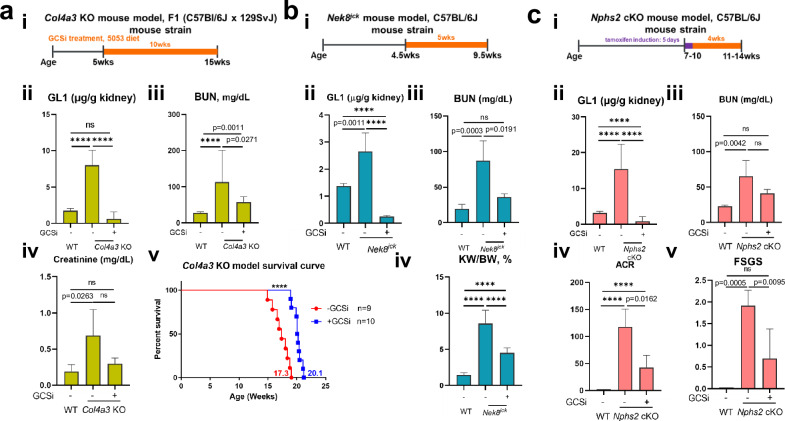
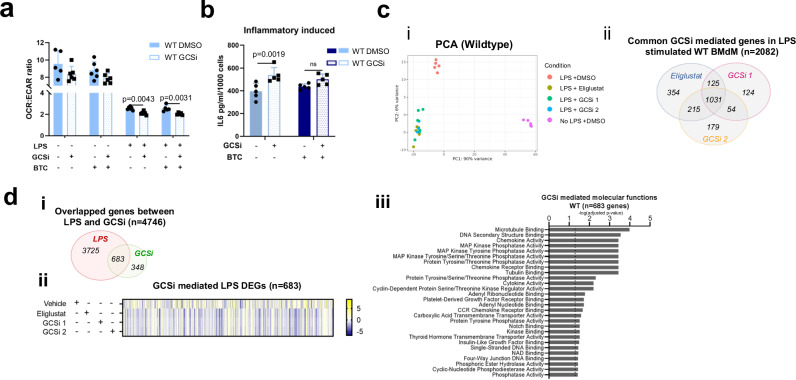
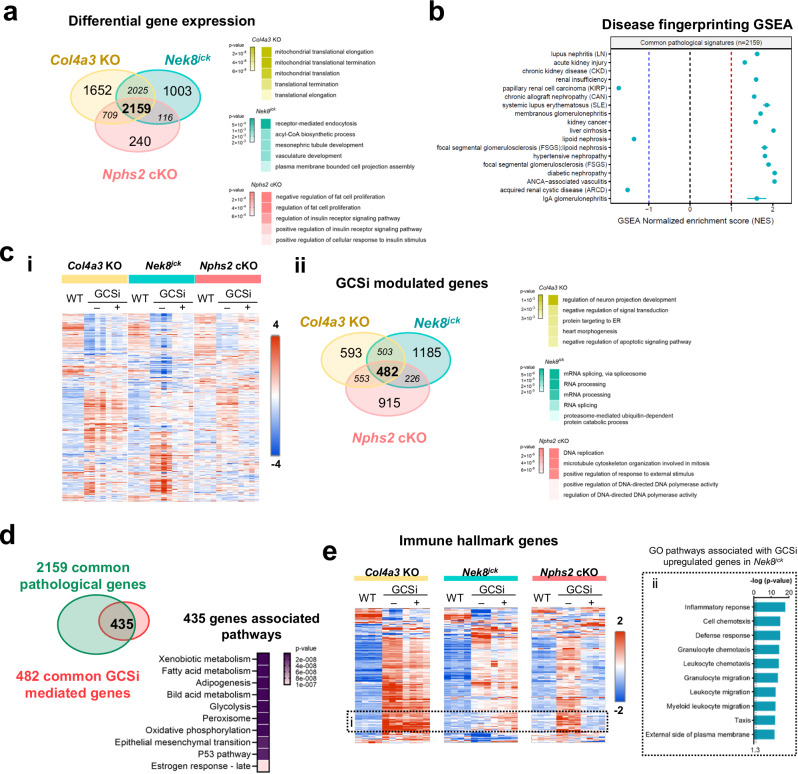
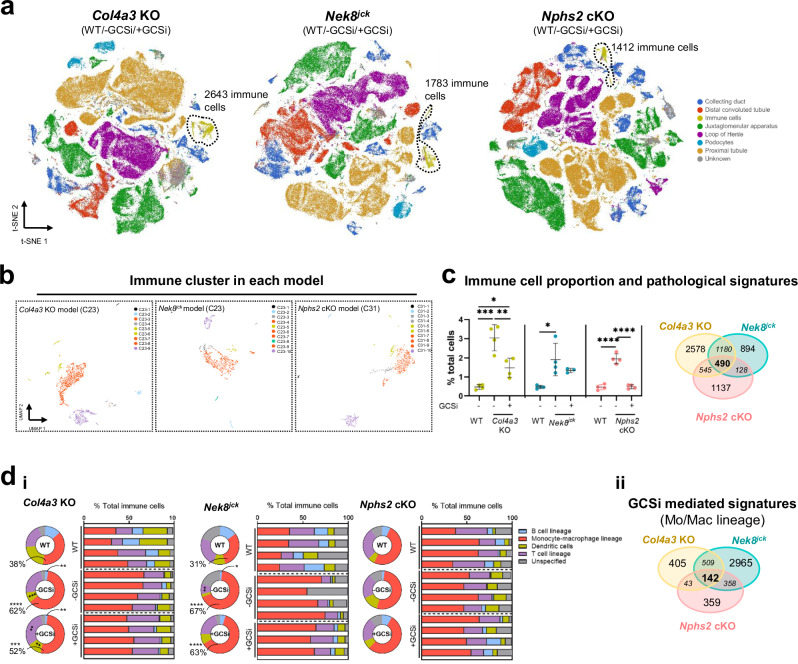
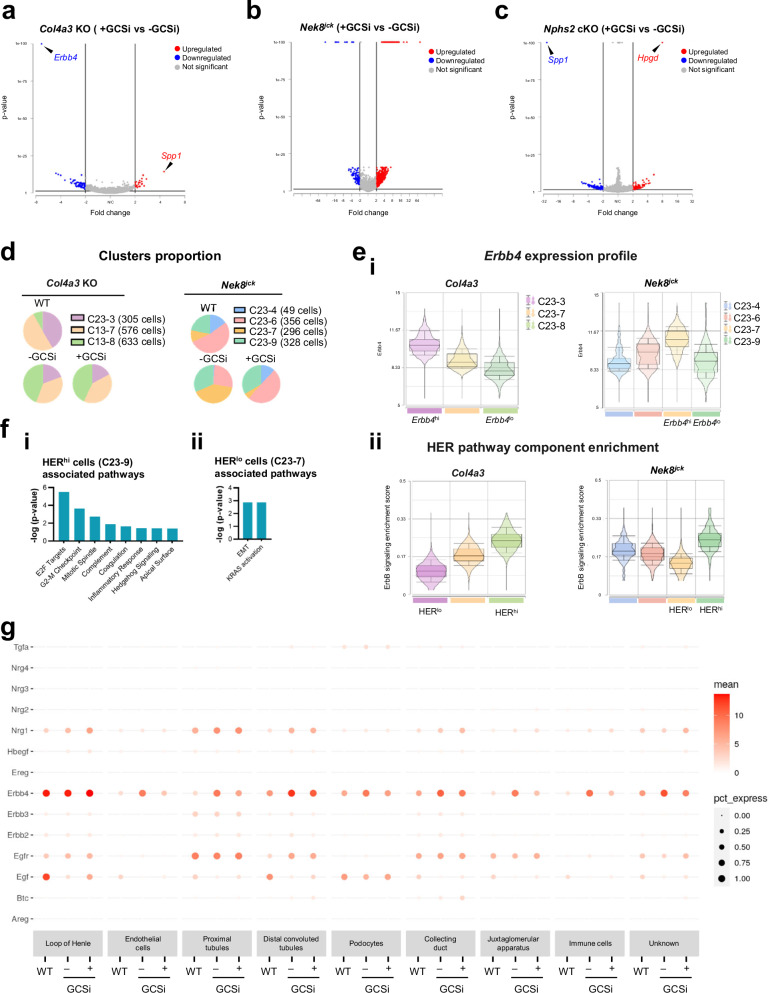
While significant advances have been made in understanding renal pathophysiology, less is known about the role of glycosphingolipid (GSL) metabolism in driving organ dysfunction. Here, we used a small molecule inhibitor of glucosylceramide synthase to modulate GSL levels in three mouse models of distinct renal pathologies: Alport syndrome (Col4a3 KO), polycystic kidney disease (Nek8), and steroid-resistant nephrotic syndrome (Nphs2 cKO). At the tissue level, we identified a core immune-enriched transcriptional signature that was shared across models and enriched in human polycystic kidney disease. Single nuclei analysis identified robust transcriptional changes across multiple kidney cell types, including epithelial and immune lineages. To further explore the role of GSL modulation in macrophage biology, we performed in vitro studies with homeostatic and inflammatory bone marrow-derived macrophages. Cumulatively, this study provides a comprehensive overview of renal dysfunction and the effect of GSL modulation on kidney-derived cells in the setting of renal dysfunction.
虽然在理解肾脏病理生理学方面已经取得了重大进展,但对于糖脂(GSL)代谢在驱动器官功能障碍中的作用知之甚少。在这里,我们使用了一种葡萄糖神经酰胺合酶的小分子抑制剂来调节三种不同肾脏病理模型中的 GSL 水平:Alport 综合征(Col4a3 KO)、多囊肾病(Nek8)和类固醇耐药性肾病综合征(Nphs2 cKO)。在组织水平上,我们确定了一个核心免疫富集转录特征,该特征在模型之间共享,并在人类多囊肾病中富集。单细胞分析确定了多个肾脏细胞类型(包括上皮细胞和免疫谱系)中强大的转录变化。为了进一步探讨 GSL 调节在巨噬细胞生物学中的作用,我们对稳态和炎症性骨髓来源的巨噬细胞进行了体外研究。总之,这项研究提供了一个全面的概述,说明了肾功能障碍以及 GSL 调节对肾功能障碍背景下肾脏来源细胞的影响。