Gao Peng, Yang Wenxia, Sun Lin
Department of Nephrology, The Second Xiangya Hospital, Central South University, Changsha, Hunan, 410011, China.
Key Laboratory of Kidney Disease & Blood Purification, in Hunan Province, Changsha, Hunan, 410011, China.
Oxid Med Cell Longev. 2020 Sep 3;2020:3120539. doi: 10.1155/2020/3120539. eCollection 2020.
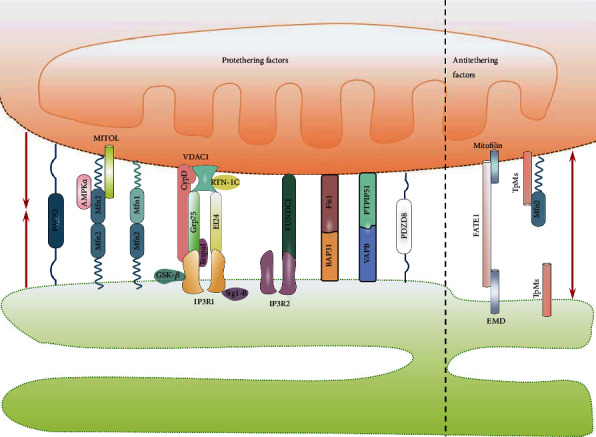
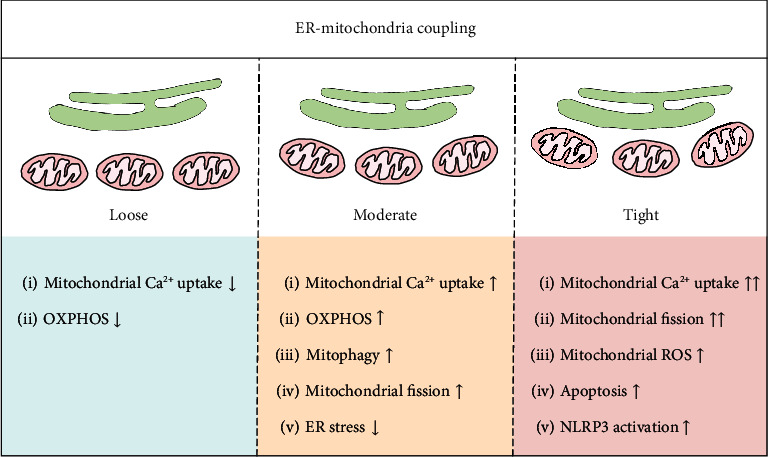
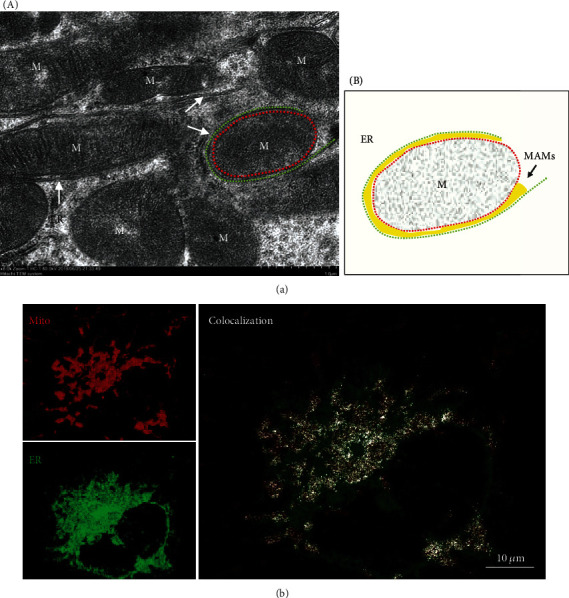
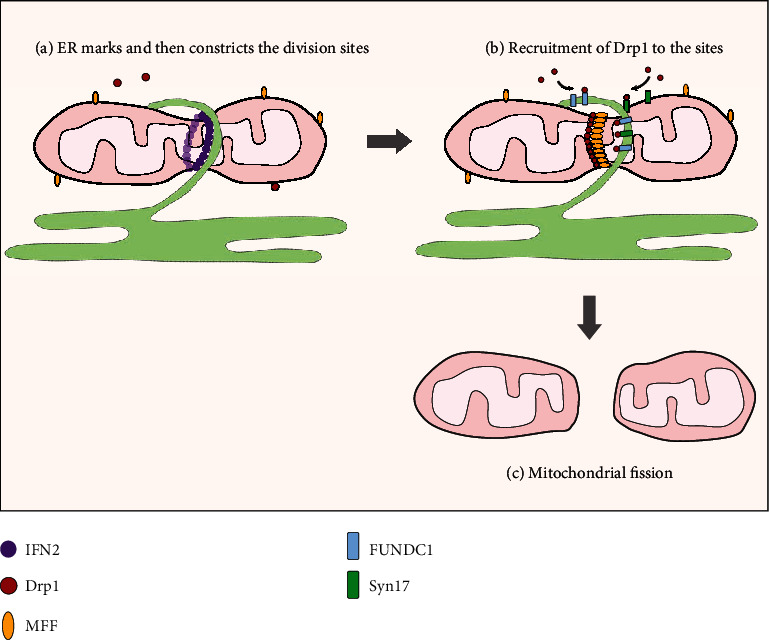
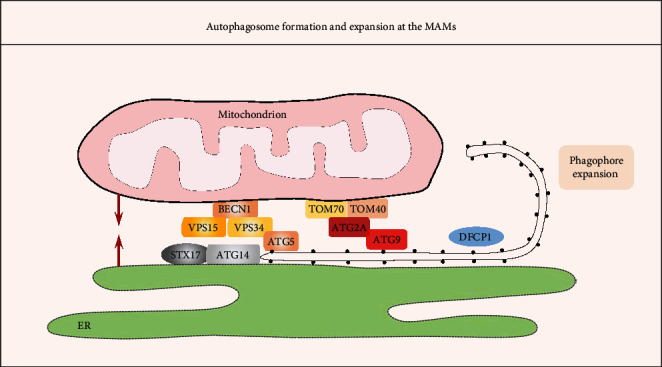
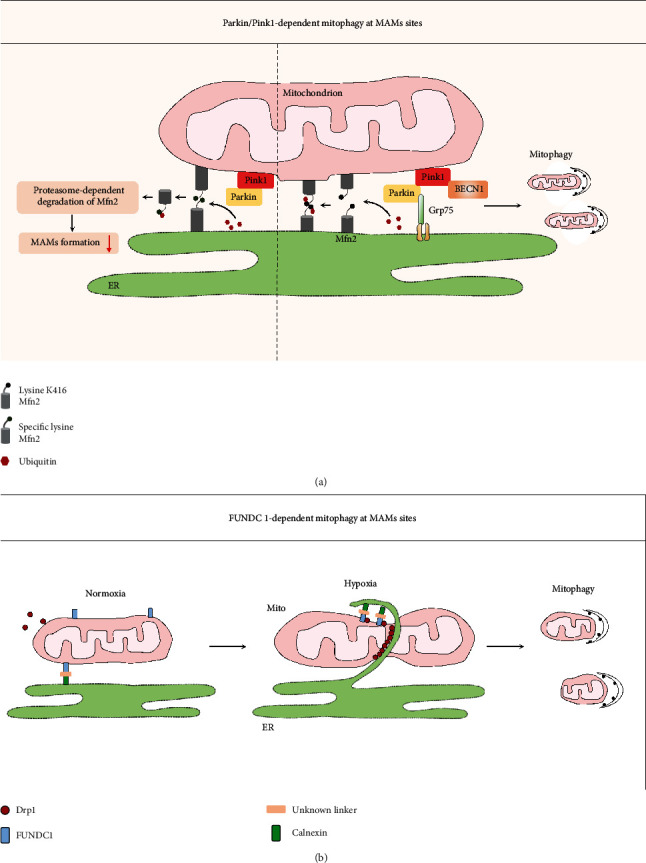
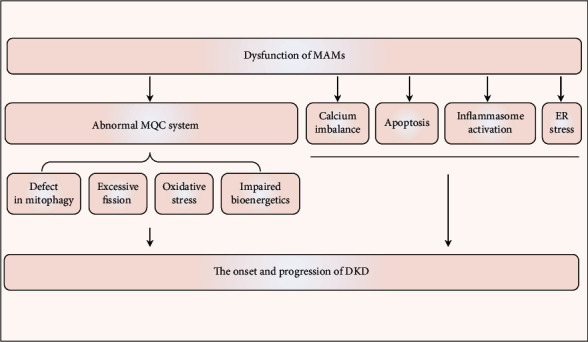
Mitochondria-associated endoplasmic reticulum (ER) membranes (MAMs) serve as essential hubs for interorganelle communication in eukaryotic cells and play multifunctional roles in various biological pathways. A defect in ER-mitochondria signaling or MAMs dysfunction has pleiotropic effects on a variety of intracellular events, which results in disturbances of the mitochondrial quality control system, Ca dyshomeostasis, apoptosis, ER stress, and inflammasome activation, which all contribute to the onset and progression of kidney disease. Here, we review the structure and molecular compositions of MAMs as well as the experimental methods used to study these interorganellar contact sites. We will specifically summarize the downstream signaling pathways regulated by MAMs, mainly focusing on mitochondrial quality control, oxidative stress, ER-mitochondria Ca crosstalk, apoptosis, inflammasome activation, and ER stress. Finally, we will discuss how alterations in MAMs integrity contribute to the pathogenesis of kidney disease and offer directions for future research.
线粒体相关内质网膜(MAMs)是真核细胞中细胞器间通讯的重要枢纽,在各种生物学途径中发挥多功能作用。内质网-线粒体信号传导缺陷或MAMs功能障碍对多种细胞内事件具有多效性影响,导致线粒体质量控制系统紊乱、钙稳态失调、细胞凋亡、内质网应激和炎性小体激活,所有这些都促成了肾脏疾病的发生和发展。在此,我们综述了MAMs的结构和分子组成,以及用于研究这些细胞器间接触位点的实验方法。我们将特别总结由MAMs调控的下游信号通路,主要聚焦于线粒体质量控制、氧化应激、内质网-线粒体钙信号转导、细胞凋亡、炎性小体激活和内质网应激。最后,我们将讨论MAMs完整性的改变如何促成肾脏疾病的发病机制,并为未来研究提供方向。