Lipschutz Jordan, Ji Sophia H, Jafri Mohammad Q, Nair Ambica, Kerr Brian
Internal Medicine, Ocean University Medical Center, Brick Township, USA.
Internal Medicine, Oceania University of Medicine, Apia, WSM.
Cureus. 2024 Jul 19;16(7):e64893. doi: 10.7759/cureus.64893. eCollection 2024 Jul.
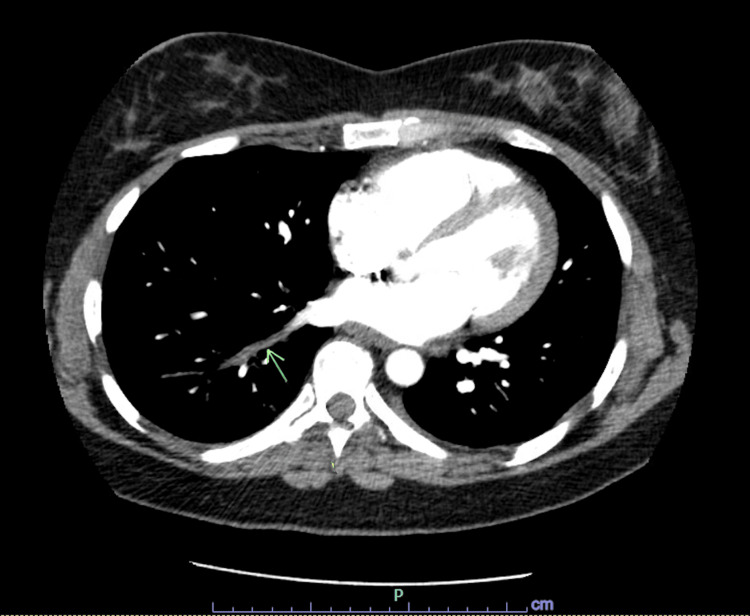
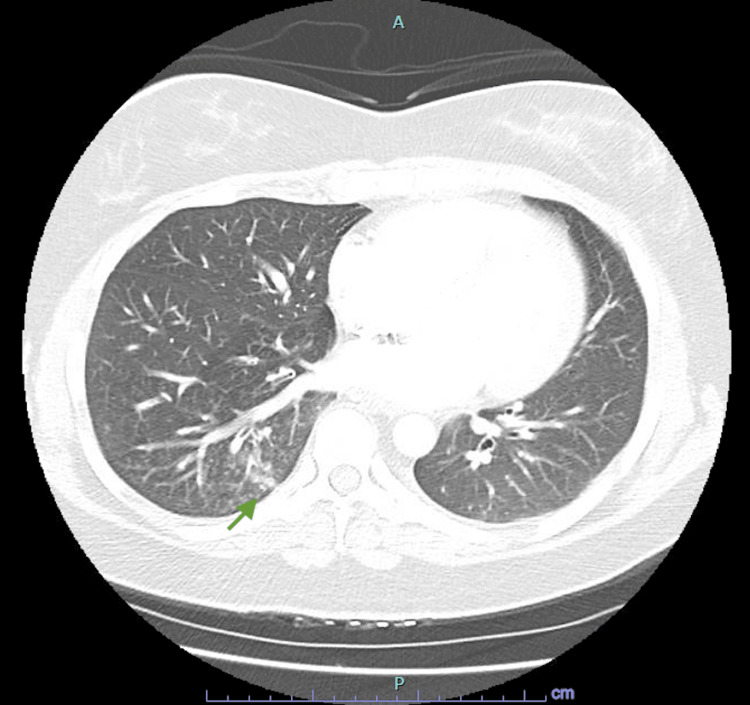
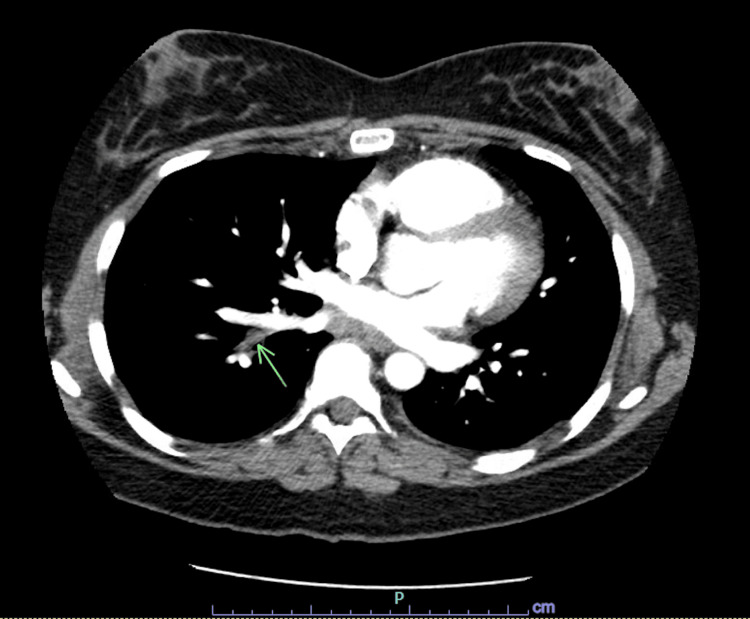
SARS-CoV-2 can induce a hypercoagulable state, occasionally resulting in pulmonary venous thrombosis (PVT) due to inflammation and endothelial injury. Documented cases of PVT with active COVID-19 and post-COVID are rare. We report a 40-year-old postpartum female with unprovoked PVT following a recent nonhospitalized COVID-19 infection. She presented with cough, right pleuritic chest pain, and worsening dyspnea. Imaging confirmed right lower lobe PVT with ground glass infiltrates. Despite a negative hypercoagulable workup, the patient's postpartum and post-COVID status suggest an unprovoked PVT. Treated with a high-intensity heparin drip and transition to apixaban, she showed resolution of the thrombus. This case underscores the importance of considering COVID-19 as a potential risk factor for venous thromboembolism and highlights the need for vigilant monitoring in post-COVID-19 patients.
严重急性呼吸综合征冠状病毒2(SARS-CoV-2)可诱发高凝状态,偶尔会因炎症和内皮损伤导致肺静脉血栓形成(PVT)。有记录的活动性冠状病毒病(COVID-19)和新冠康复后发生PVT的病例很少见。我们报告了一名40岁的产后女性,在近期非住院感染COVID-19后出现不明原因的PVT。她表现为咳嗽、右胸膜性胸痛和进行性加重的呼吸困难。影像学检查证实右下叶PVT伴磨玻璃样浸润。尽管高凝检查结果为阴性,但患者的产后状态和新冠感染后情况提示为不明原因的PVT。经高强度肝素滴注治疗并过渡到阿哌沙班后,血栓溶解。该病例强调了将COVID-19视为静脉血栓栓塞潜在危险因素的重要性,并突出了对COVID-19康复患者进行密切监测的必要性。