Okpete Uchenna Esther, Byeon Haewon
Department of Digital Anti-aging Healthcare (BK21), Inje University, Gimhae 50834, South Korea.
Department of Medical Big Data, Inje University, Gimhae 50834, South Korea.
World J Psychiatry. 2024 Aug 19;14(8):1148-1164. doi: 10.5498/wjp.v14.i8.1148.
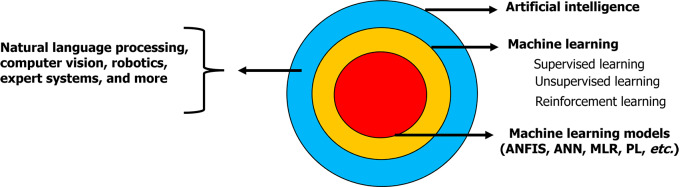
Precision medicine is transforming psychiatric treatment by tailoring personalized healthcare interventions based on clinical, genetic, environmental, and lifestyle factors to optimize medication management. This study investigates how artificial intelligence (AI) and machine learning (ML) can address key challenges in integrating pharmacogenomics (PGx) into psychiatric care. In this integration, AI analyzes vast genomic datasets to identify genetic markers linked to psychiatric conditions. AI-driven models integrating genomic, clinical, and demographic data demonstrated high accuracy in predicting treatment outcomes for major depressive disorder and bipolar disorder. This study also examines the pressing challenges and provides strategic directions for integrating AI and ML in genomic psychiatry, highlighting the importance of ethical considerations and the need for personalized treatment. Effective implementation of AI-driven clinical decision support systems within electronic health records is crucial for translating PGx into routine psychiatric care. Future research should focus on developing enhanced AI-driven predictive models, privacy-preserving data exchange, and robust informatics systems to optimize patient outcomes and advance precision medicine in psychiatry.
精准医学正在通过基于临床、基因、环境和生活方式因素量身定制个性化医疗干预措施来优化药物管理,从而改变精神科治疗。本研究探讨人工智能(AI)和机器学习(ML)如何应对将药物基因组学(PGx)整合到精神科护理中的关键挑战。在这种整合中,AI分析大量基因组数据集以识别与精神疾病相关的基因标记。整合基因组、临床和人口统计学数据的AI驱动模型在预测重度抑郁症和双相情感障碍的治疗结果方面表现出很高的准确性。本研究还审视了紧迫的挑战,并为在基因组精神病学中整合AI和ML提供了战略方向,强调了伦理考量的重要性以及个性化治疗的必要性。在电子健康记录中有效实施AI驱动的临床决策支持系统对于将PGx转化为常规精神科护理至关重要。未来的研究应专注于开发增强的AI驱动预测模型、保护隐私的数据交换和强大的信息学系统,以优化患者治疗效果并推动精神病学精准医学的发展。