Quantitative Stem Cell Biology, Berlin Institute for Medical Systems Biology (BIMSB), Berlin, Germany.
Max Delbrück Center for Molecular Medicine in the Helmholtz Association (MDC), Berlin, Germany.
Nat Commun. 2024 Aug 22;15(1):7027. doi: 10.1038/s41467-024-51216-w.
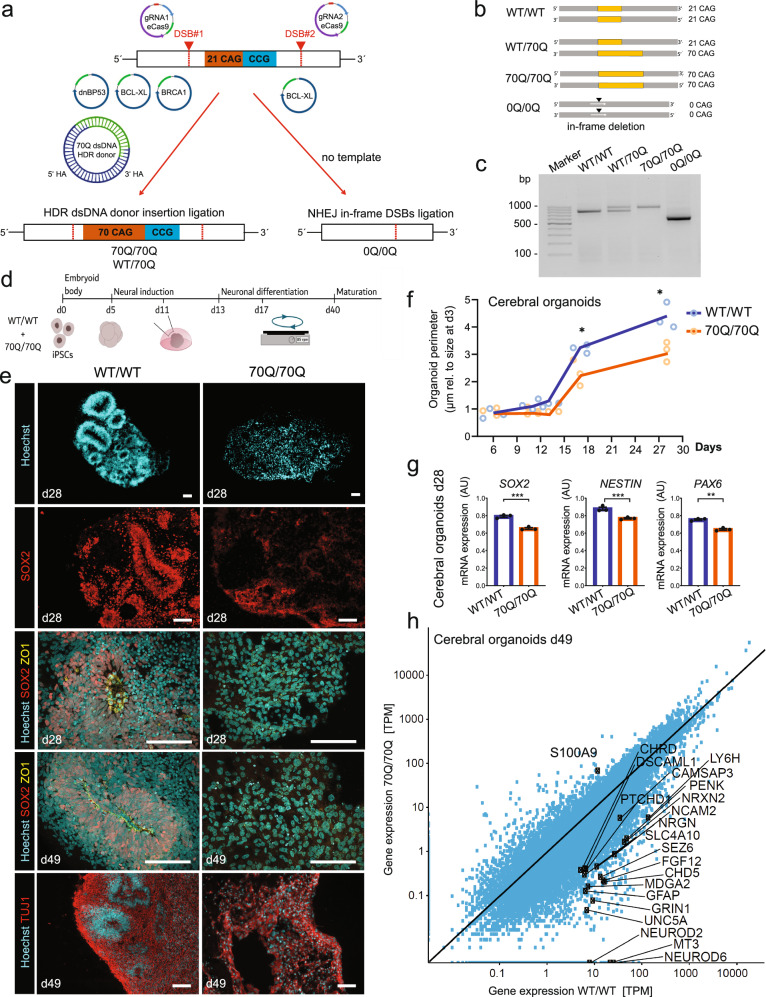
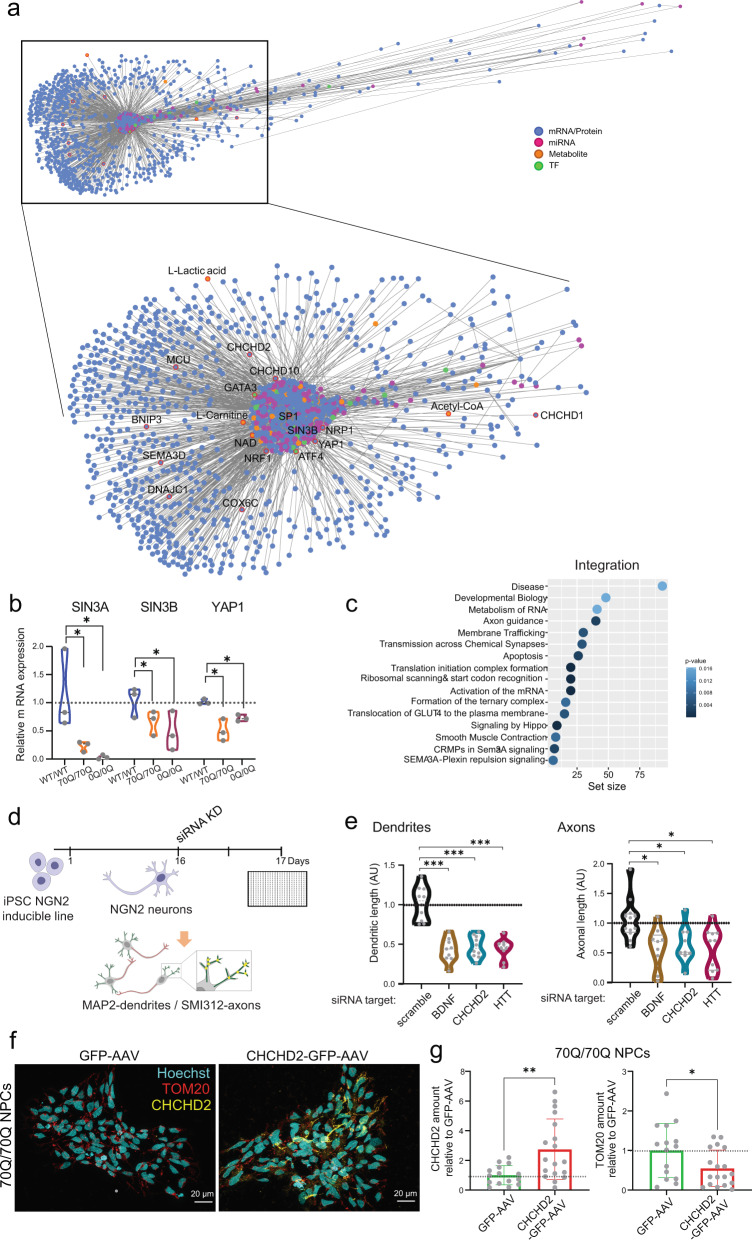
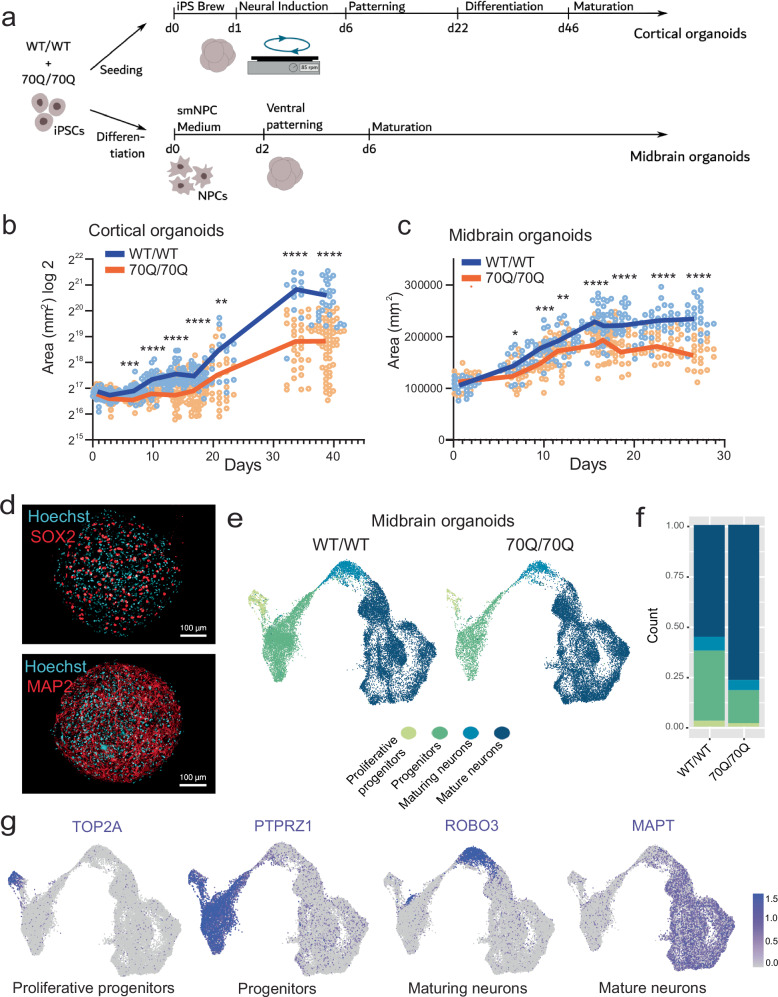
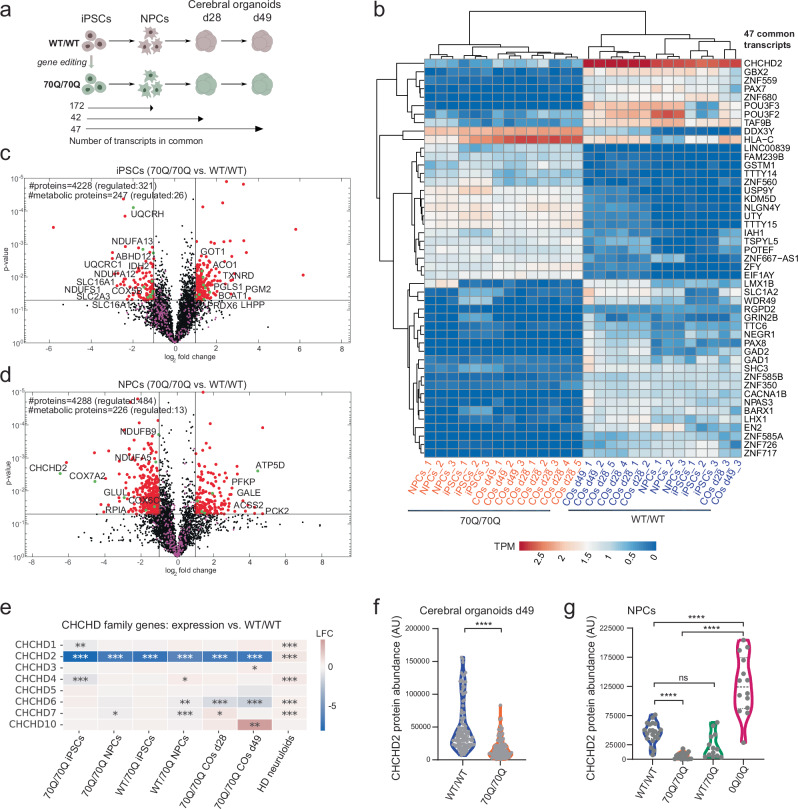
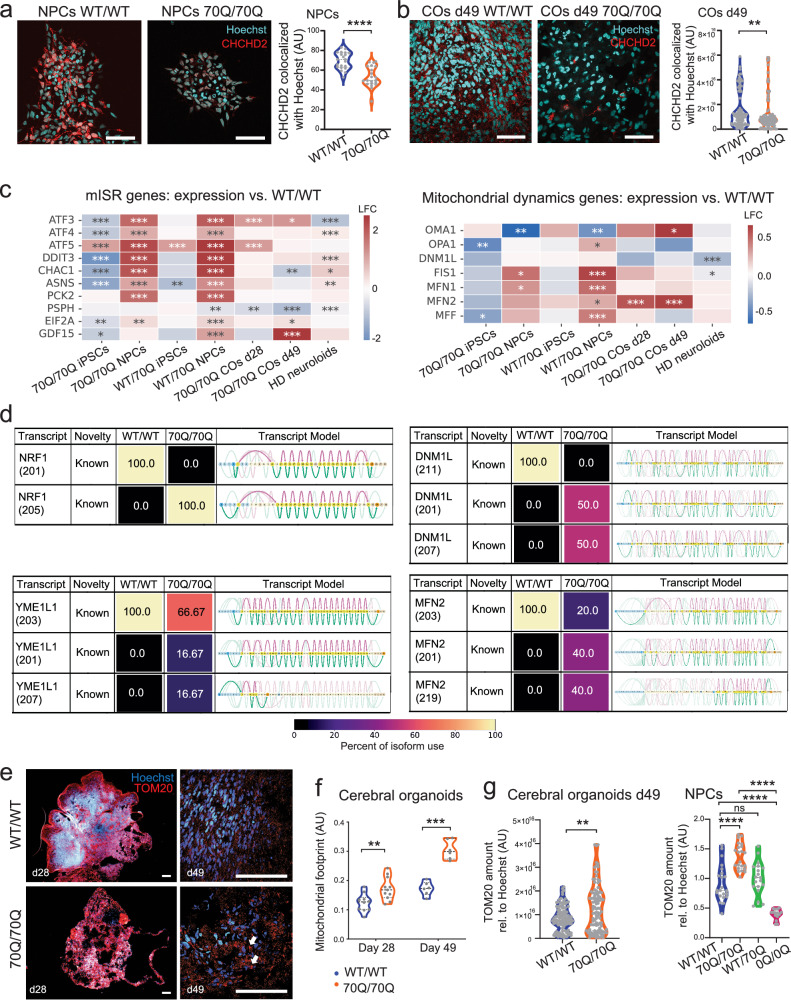
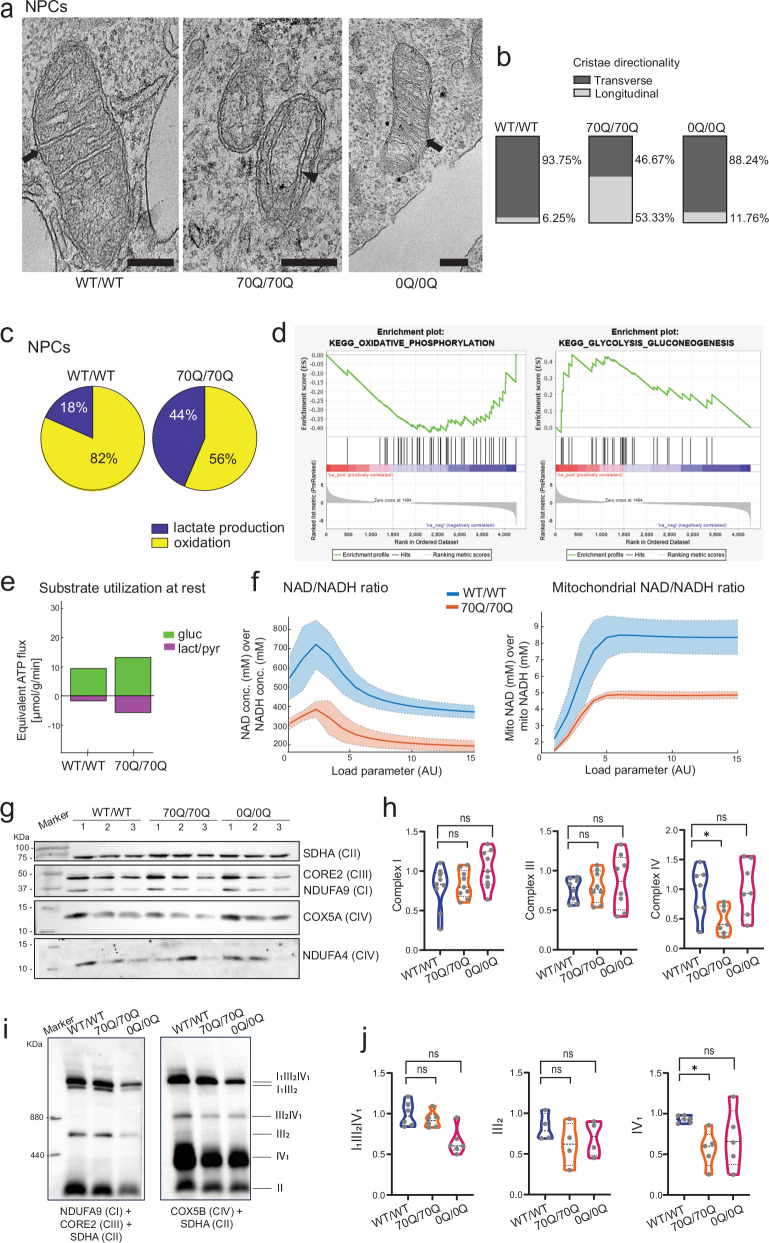
Expansion of the glutamine tract (poly-Q) in the protein huntingtin (HTT) causes the neurodegenerative disorder Huntington's disease (HD). Emerging evidence suggests that mutant HTT (mHTT) disrupts brain development. To gain mechanistic insights into the neurodevelopmental impact of human mHTT, we engineered male induced pluripotent stem cells to introduce a biallelic or monoallelic mutant 70Q expansion or to remove the poly-Q tract of HTT. The introduction of a 70Q mutation caused aberrant development of cerebral organoids with loss of neural progenitor organization. The early neurodevelopmental signature of mHTT highlighted the dysregulation of the protein coiled-coil-helix-coiled-coil-helix domain containing 2 (CHCHD2), a transcription factor involved in mitochondrial integrated stress response. CHCHD2 repression was associated with abnormal mitochondrial morpho-dynamics that was reverted upon overexpression of CHCHD2. Removing the poly-Q tract from HTT normalized CHCHD2 levels and corrected key mitochondrial defects. Hence, mHTT-mediated disruption of human neurodevelopment is paralleled by aberrant neurometabolic programming mediated by dysregulation of CHCHD2, which could then serve as an early interventional target for HD.
亨廷顿病(HD)是由蛋白质亨廷顿(HTT)中的谷氨酰胺重复序列(poly-Q)扩展引起的神经退行性疾病。新出现的证据表明,突变型 HTT(mHTT)会破坏大脑发育。为了深入了解人类 mHTT 对神经发育的影响,我们设计了雄性诱导多能干细胞,以引入双等位或单等位突变 70Q 扩展或去除 HTT 的 poly-Q 序列。引入 70Q 突变会导致大脑类器官的发育异常,神经祖细胞组织丢失。mHTT 的早期神经发育特征突出了卷曲螺旋-螺旋-卷曲螺旋-螺旋结构域包含蛋白 2(CHCHD2)的失调,CHCHD2 是一种参与线粒体综合应激反应的转录因子。CHCHD2 的抑制与异常的线粒体形态动力学有关,而过表达 CHCHD2 可使其恢复正常。从 HTT 中去除 poly-Q 序列可使 CHCHD2 水平正常化,并纠正关键的线粒体缺陷。因此,mHTT 介导的人类神经发育障碍伴随着由 CHCHD2 失调介导的异常神经代谢编程,这可能成为 HD 的早期干预靶点。