Zhejiang Key Laboratory of Smart Biomaterials and Center for Bionanoengineering, College of Chemical and Biological Engineering, Zhejiang University, 310058, Hangzhou, Zhejiang, China.
ZJU-Hangzhou Global Scientific and Technological Innovation Center, Zhejiang University, 311215, Hangzhou, Zhejiang, China.
Nat Commun. 2024 Aug 22;15(1):7237. doi: 10.1038/s41467-024-51720-z.
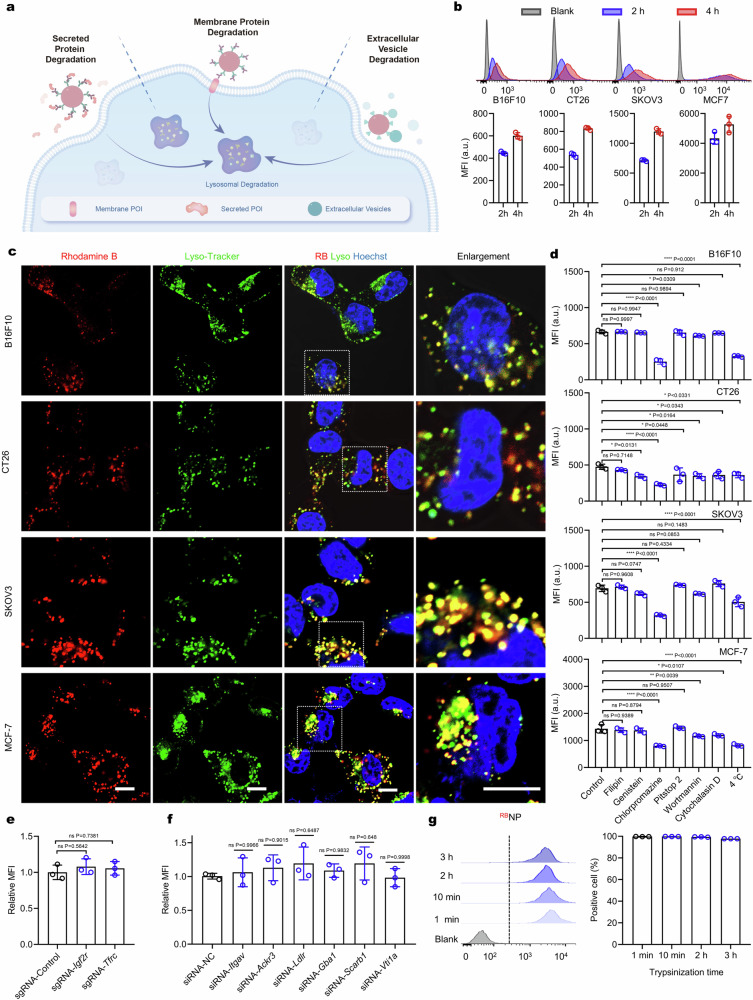
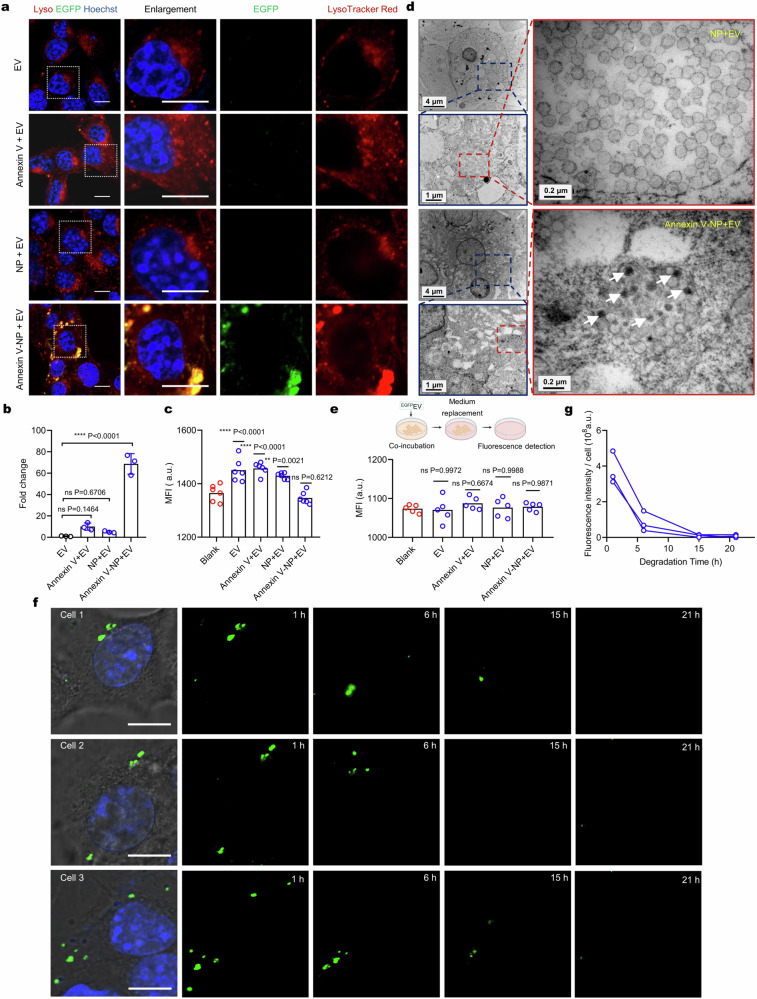
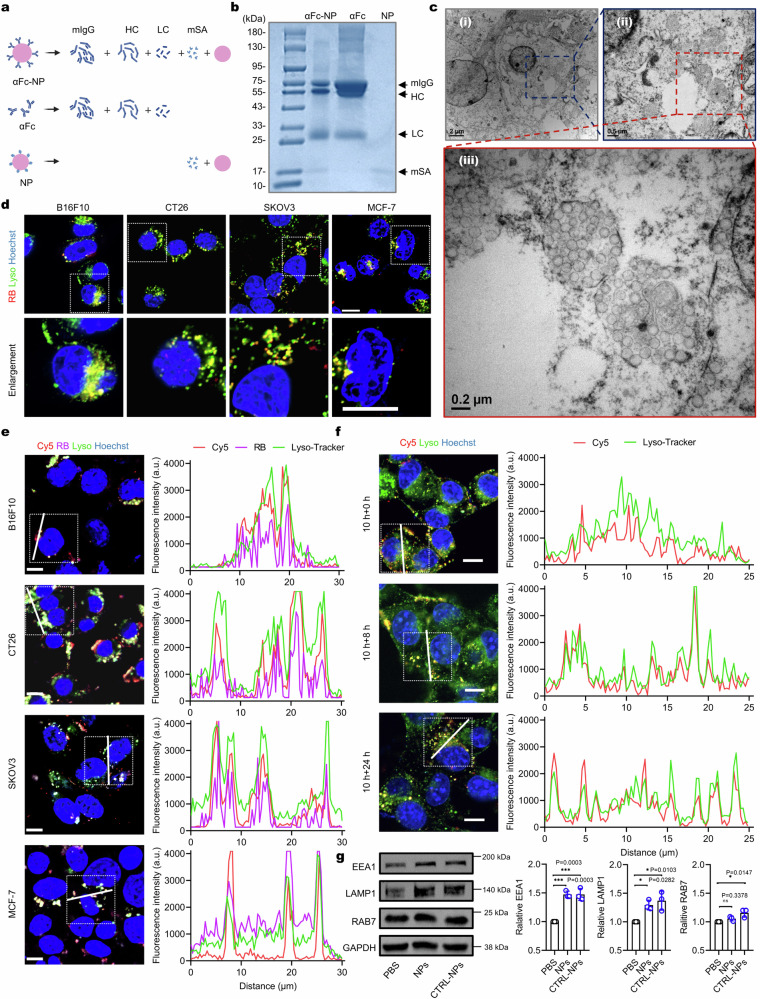
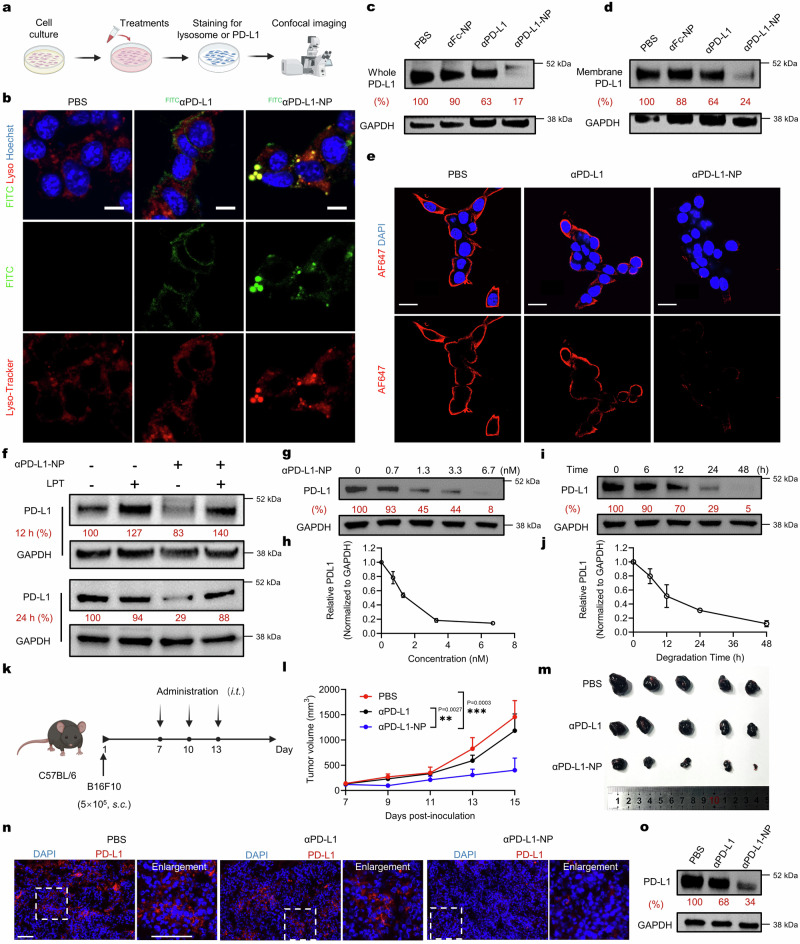
Existing strategies use bifunctional chimaeras to mediate extracellular protein degradation. However, these strategies rely on specific lysosome-trafficking receptors to facilitate lysosomal delivery, which may raise resistance concerns due to intrinsic cell-to-cell variation in receptor expression and mutations or downregulation of the receptors. Another challenge is establishing a universal platform applicable in multiple scenarios. Here, we develop MONOTAB (MOdified NanOparticle with TArgeting Binders), a plug-and-play monofunctional degradation platform that can drag extracellular targets into lysosomes for degradation. MONOTAB harnesses the inherent lysosome-targeting ability of certain nanoparticles to obviate specific receptor dependency and the hook effect. To achieve high modularity and programmable target specificity, we utilize the streptavidin-biotin interaction to immobilize antibodies or other targeting molecules on nanoparticles, through an antibody mounting approach or by direct binding. Our study reveals that MONOTAB can induce efficient degradation of diverse therapeutic targets, including membrane proteins, secreted proteins, and even extracellular vesicles.
现有的策略使用双功能嵌合体来介导细胞外蛋白质的降解。然而,这些策略依赖于特定的溶酶体运输受体来促进溶酶体的递呈,这可能会引起抵抗的关注,因为受体表达和突变或受体下调的内在细胞间变异性。另一个挑战是建立一个适用于多种情况的通用平台。在这里,我们开发了 MONOTAB(带靶向结合物的修饰纳米颗粒),这是一个即插即用的单功能降解平台,可以将细胞外靶标拖入溶酶体进行降解。MONOTAB 利用了某些纳米颗粒固有的溶酶体靶向能力,避免了特定受体的依赖性和钩状效应。为了实现高的模块性和可编程的目标特异性,我们利用链霉亲和素-生物素相互作用将抗体或其他靶向分子固定在纳米颗粒上,通过抗体安装方法或直接结合。我们的研究表明,MONOTAB 可以诱导多种治疗靶标的有效降解,包括膜蛋白、分泌蛋白,甚至细胞外囊泡。