Department of Basic Psychological Processes and their Development, Faculty of Psychology, University of the Basque Country UPV/EHU, Donostia-San Sebastián, Spain.
Appl Psychophysiol Biofeedback. 2024 Dec;49(4):651-664. doi: 10.1007/s10484-024-09659-w. Epub 2024 Aug 23.
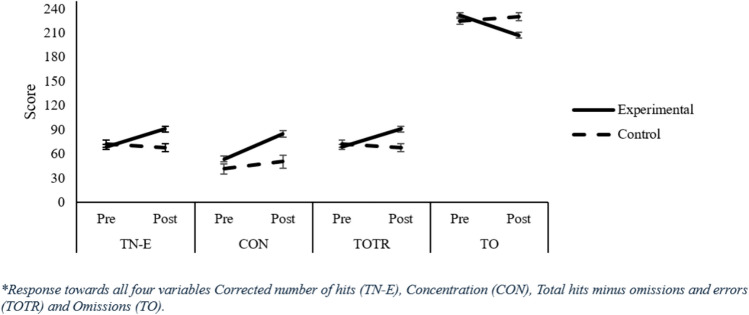
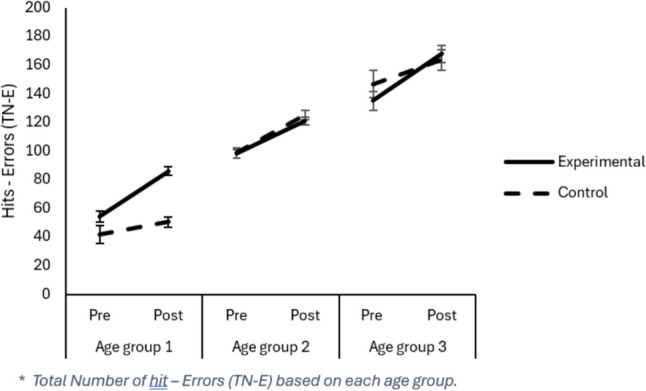
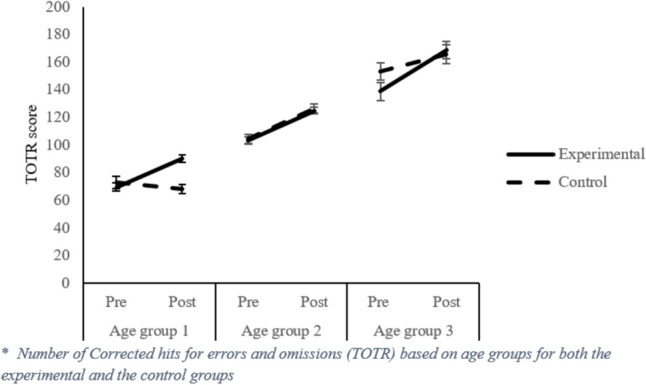
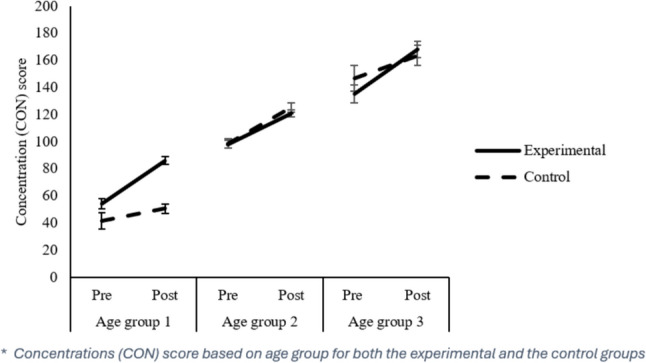
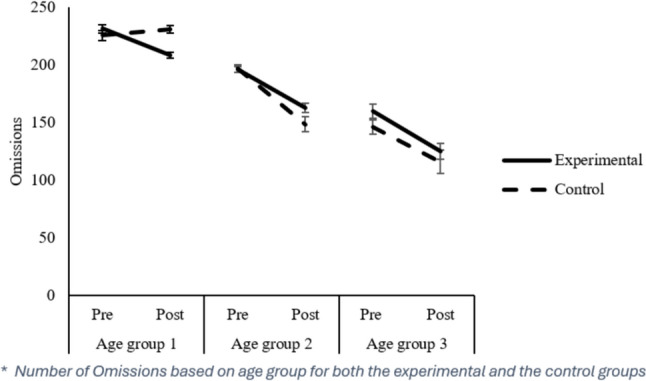
The importance of attentional capacity for academic performance is highlighted by the increasing demands placed on students during primary school. Between the ages of 7 and 12, there is an evolutionary improvement in attentional capacity and the school environment is considered an appropriate setting in which to develop programmes to improve attention. Heart rate variability is an appropriate indicator of attentional capacity. For all these reasons, a heart rate variability biofeedback intervention focused on breathing was developed and implemented to improve attention. The intervention consisted of two phases. In the first phase, the school teachers were trained to develop the intervention; in the second, students received five individual sessions from their teachers. In each individual session, they learned to breathe to increase their heart rate variability. A total of 272 girls and 314 boys (N = 586) aged 7-12 years participated in the programme. To study the impact of the intervention on three primary school age groups, the attention of Control and Experimental groups was assessed before and after the implementation of the programme. According to the data obtained, despite developmental improvements, the students who participated in the programme showed an increase in heart rate variability and an improvement in attentional capacity, with a greater impact on the first cycle of primary school. The usefulness of heart rate variability biofeedback interventions in improving attention in primary school is discussed and arguments for their use in children are presented.
注意力容量对学业表现的重要性,随着小学生的学习负担不断增加而日益凸显。在 7 至 12 岁之间,注意力容量逐渐发展完善,学校环境被认为是培养注意力的适当场所。心率变异性是注意力容量的一个适当指标。基于所有这些原因,开发并实施了一项专注于呼吸的心率变异性生物反馈干预措施,以提高注意力。该干预措施包括两个阶段。在第一阶段,学校教师接受了培训以开展干预措施;在第二阶段,学生从教师那里接受了五次个别课程。在每次个别课程中,他们学习通过呼吸来增加心率变异性。共有 272 名女孩和 314 名男孩(N=586)参加了该计划,年龄在 7 至 12 岁之间。为了研究干预措施对三个小学年龄段的影响,在实施计划前后评估了对照组和实验组的注意力。根据所获得的数据,尽管存在发展性提高,但参加该计划的学生的心率变异性增加,注意力容量提高,对小学第一周期的影响更大。本文讨论了心率变异性生物反馈干预措施在提高小学生注意力方面的有效性,并提出了在儿童中使用这些干预措施的理由。