Serio Viola Bianca, Rosati Diletta, Maffeo Debora, Rina Angela, Ghisalberti Marco, Bellan Cristiana, Spiga Ottavia, Mari Francesca, Palmieri Maria, Frullanti Elisa
Cancer Genomics & Systems Biology Laboratory, University of Siena, 53100 Siena, Italy.
Med Biotech Hub and Competence Centre, Department of Medical Biotechnologies, University of Siena, 53100 Siena, Italy.
Cancers (Basel). 2024 Aug 20;16(16):2887. doi: 10.3390/cancers16162887.
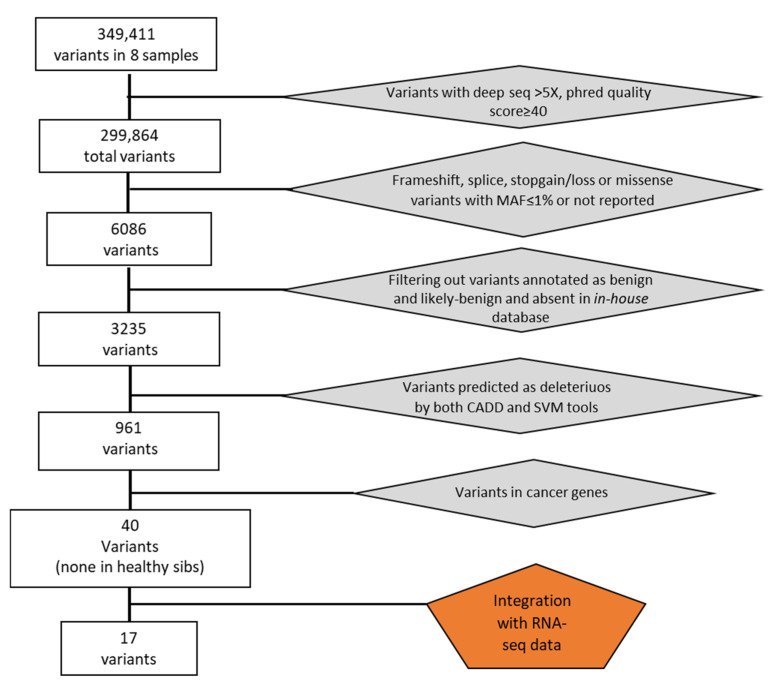
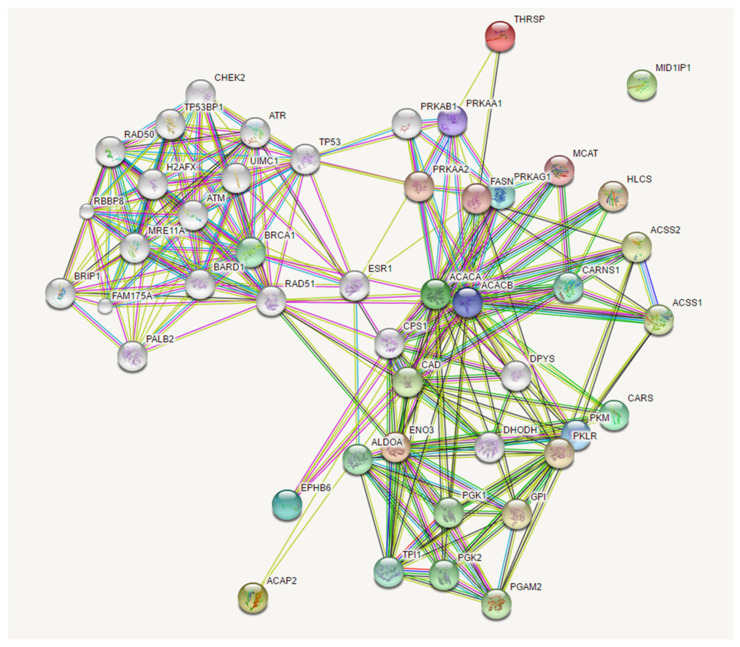
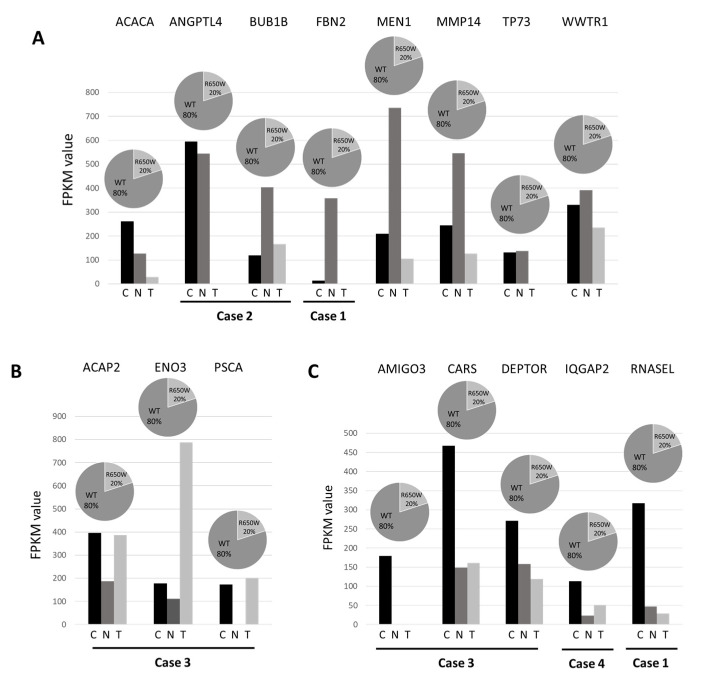
Lung cancer (LC) continues to be an important public health problem, being the most common form of cancer and a major cause of cancer deaths worldwide. Despite the great bulk of research to identify genetic susceptibility genes by genome-wide association studies, only few loci associated to nicotine dependence have been consistently replicated. Our previously published study in few phenotypically discordant sib-pairs identified a combination of germline truncating mutations in known cancer susceptibility genes in never-smoker early-onset LC patients, which does not present in their healthy sib. These results firstly demonstrated the presence of an oligogenic combination of disrupted cancer-predisposing genes in non-smokers patients, giving experimental support to a model of a "private genetic epidemiology". Here, we used a combination of whole-exome and RNA sequencing coupled with a discordant sib's model in a novel cohort of pairs of never-smokers early-onset LC patients and in their healthy sibs used as controls. We selected rare germline variants predicted as deleterious by CADD and SVM bioinformatics tools and absent in the healthy sib. Overall, we identified an average of 200 variants per patient, about 10 of which in cancer-predisposing genes. In most of them, RNA sequencing data reinforced the pathogenic role of the identified variants showing: (i) downregulation in LC tissue (indicating a "second hit" in tumor suppressor genes); (ii) upregulation in cancer tissue (likely oncogene); and (iii) downregulation in both normal and cancer tissue (indicating transcript instability). The combination of the two techniques demonstrates that each patient has an average of six (with a range from four to eight) private mutations with a functional effect in tumor-predisposing genes. The presence of a unique combination of disrupting events in the affected subjects may explain the absence of the familial clustering of non-small-cell lung cancer. In conclusion, these findings indicate that each patient has his/her own "predisposing signature" to cancer development and suggest the use of personalized therapeutic strategies in lung cancer.
肺癌(LC)仍然是一个重要的公共卫生问题,是全球最常见的癌症形式和癌症死亡的主要原因。尽管通过全基因组关联研究进行了大量研究以确定遗传易感基因,但只有少数与尼古丁依赖相关的基因座得到了一致的重复验证。我们之前在少数表型不一致的同胞对中发表的研究发现,从不吸烟的早发性肺癌患者中已知癌症易感基因存在种系截断突变组合,而其健康同胞中不存在这种情况。这些结果首次证明了非吸烟患者中存在破坏癌症易感基因的寡基因组合,为“私人遗传流行病学”模型提供了实验支持。在此,我们在一组新的从不吸烟的早发性肺癌患者及其健康同胞作为对照的队列中,结合使用全外显子组测序和RNA测序以及不一致同胞模型。我们选择了由CADD和SVM生物信息学工具预测为有害且在健康同胞中不存在的罕见种系变异。总体而言,我们每位患者平均鉴定出200个变异,其中约10个位于癌症易感基因中。在大多数情况下,RNA测序数据强化了所鉴定变异的致病作用,表现为:(i)在肺癌组织中下调(表明肿瘤抑制基因发生“二次打击”);(ii)在癌组织中上调(可能是癌基因);以及(iii)在正常组织和癌组织中均下调(表明转录本不稳定)。这两种技术的结合表明,每位患者平均有六个(范围为四到八个)在肿瘤易感基因中具有功能效应的私人突变。受影响个体中独特的破坏事件组合的存在可能解释了非小细胞肺癌缺乏家族聚集性的原因。总之,这些发现表明每位患者都有自己独特的癌症发生“易感特征”,并建议在肺癌中采用个性化治疗策略。