School of Landscape Architecture, Beijing University of Agriculture, Beinong Road 7, Huilongguan, Changping District, Beijing 102206, China.
CSIRO Agriculture and Food, Black Mountain, Canberra, ACT 2601, Australia.
Int J Mol Sci. 2024 Aug 18;25(16):8983. doi: 10.3390/ijms25168983.
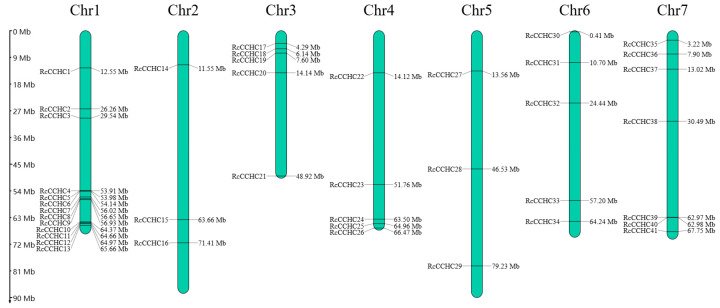
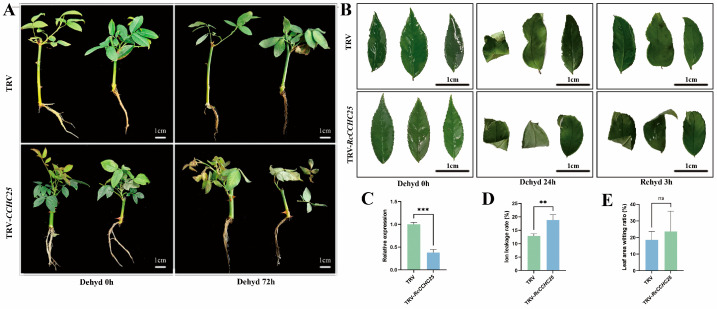
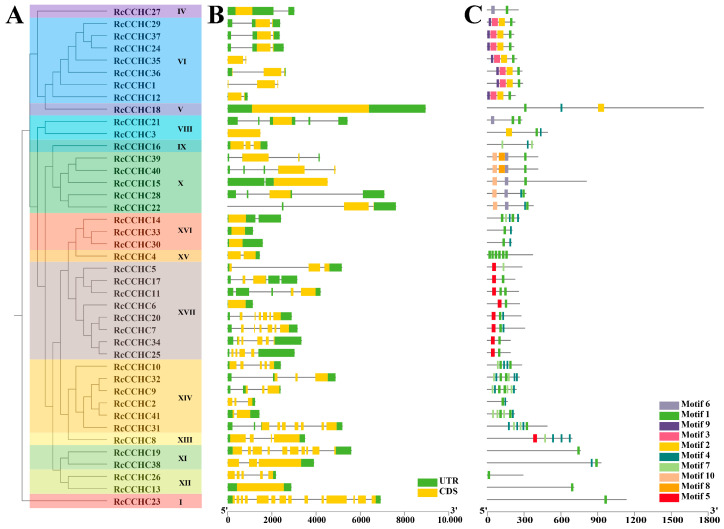
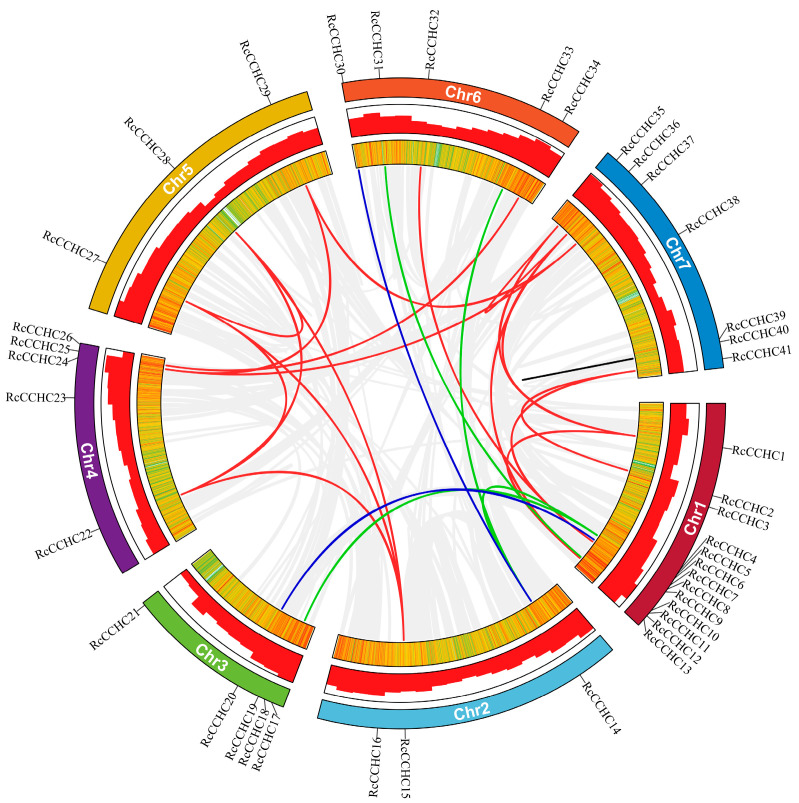
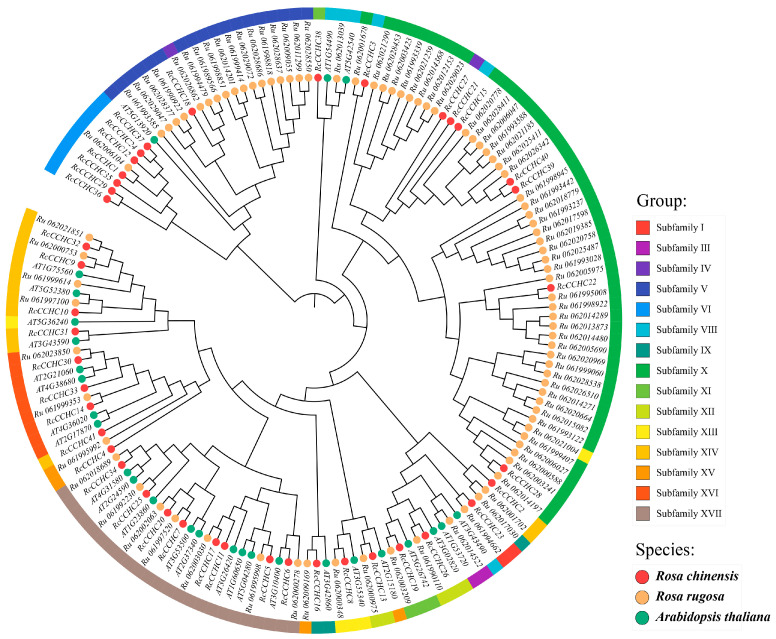
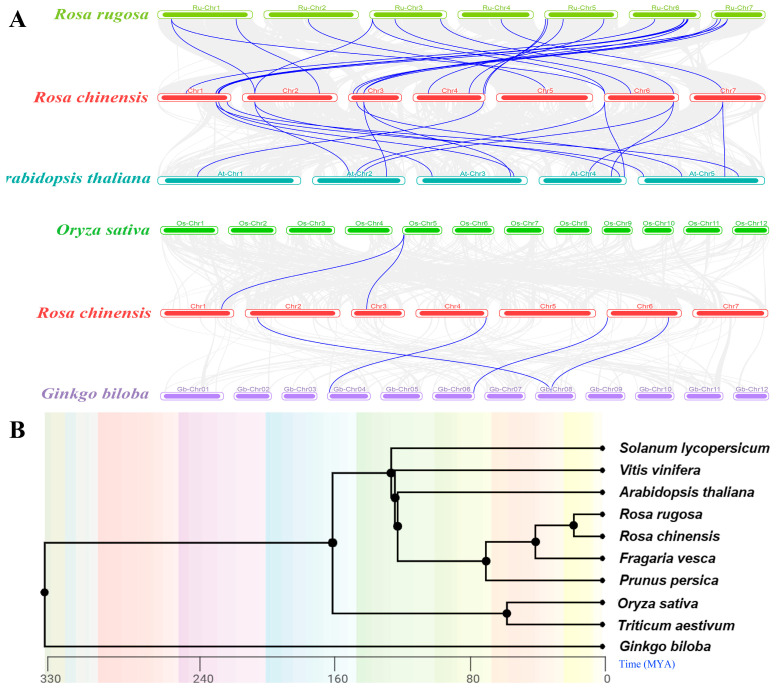
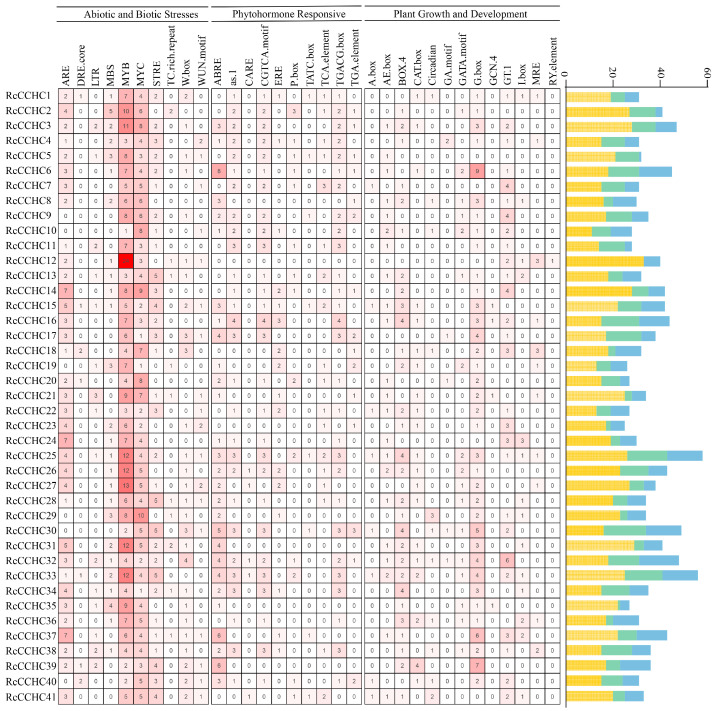
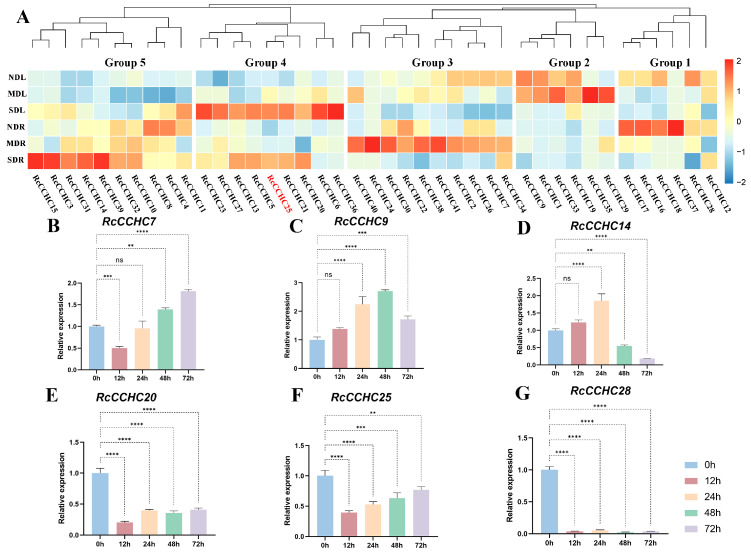
CCHC-type zinc finger proteins (CCHC-ZFPs), ubiquitous across plant species, are integral to their growth, development, hormonal regulation, and stress adaptation. Roses ( sp.), as one of the most significant and extensively cultivated ornamentals, account for more than 30% of the global cut-flower market. Despite its significance, the gene family in roses ( sp.) remains unexplored. This investigation identified and categorized 41 gene members located on seven chromosomes of rose into 14 subfamilies through motif distribution and phylogenetic analyses involving ten additional plant species, including , , , and others. This study revealed that dispersed duplication likely plays a crucial role in the diversification of the genes, with the Ka/Ks ratio suggesting a history of strong purifying selection. Promoter analysis highlighted a rich presence of cis-acting regulatory elements linked to both abiotic and biotic stress responses. Differential expression analysis under drought conditions grouped the 41 gene members into five distinct clusters, with those in group 4 exhibiting pronounced regulation in roots and leaves under severe drought. Furthermore, virus-induced gene silencing (VIGS) of the member from group 4 compromised drought resilience in rose foliage. This comprehensive analysis lays the groundwork for further investigations into the functional dynamics of the gene family in rose physiology and stress responses.
CCHC 型锌指蛋白(CCHC-ZFPs)广泛存在于植物物种中,是其生长、发育、激素调节和应激适应的重要组成部分。玫瑰(sp.)作为最重要和广泛种植的观赏植物之一,占全球切花市场的 30%以上。尽管它很重要,但玫瑰(sp.)中的基因家族尚未被探索。通过对包括 、 、 和其他十种植物的 motif 分布和系统发育分析,本研究在玫瑰的 7 条染色体上鉴定和分类了 41 个基因成员,并将其划分为 14 个亚家族。本研究表明,分散性复制可能在基因多样化中起着关键作用,Ka/Ks 比值表明存在强烈的纯化选择历史。启动子分析突出了丰富的顺式作用调控元件,这些元件与非生物和生物胁迫反应有关。干旱条件下的差异表达分析将 41 个基因成员分为五个不同的簇,第 4 组中的基因在严重干旱下的根和叶中表现出明显的调节。此外,第 4 组的 成员的病毒诱导基因沉默(VIGS)削弱了玫瑰叶片的抗旱能力。这项全面的分析为进一步研究玫瑰生理学和应激反应中 基因家族的功能动态奠定了基础。