• 文献检索
  • 文档翻译
  • 深度研究
  • 学术资讯
  • Suppr Zotero 插件Zotero 插件
  • 邀请有礼
  • 套餐&价格
  • 历史记录
应用&插件
Suppr Zotero 插件Zotero 插件浏览器插件Mac 客户端Windows 客户端微信小程序
定价
高级版会员购买积分包购买API积分包
服务
文献检索文档翻译深度研究API 文档MCP 服务
关于我们
关于 Suppr公司介绍联系我们用户协议隐私条款
关注我们

Suppr 超能文献

核心技术专利:CN118964589B侵权必究
粤ICP备2023148730 号-1Suppr @ 2026

文献检索

告别复杂PubMed语法,用中文像聊天一样搜索,搜遍4000万医学文献。AI智能推荐,让科研检索更轻松。

立即免费搜索

文件翻译

保留排版,准确专业,支持PDF/Word/PPT等文件格式,支持 12+语言互译。

免费翻译文档

深度研究

AI帮你快速写综述,25分钟生成高质量综述,智能提取关键信息,辅助科研写作。

立即免费体验

当前针对金属-β-内酰胺酶的金属离子结合抑制剂的策略。

Current Strategy for Targeting Metallo-β-Lactamase with Metal-Ion-Binding Inhibitors.

机构信息

Laboratorio de Biotecnología Farmacéutica, Centro de Biotecnología Genómica, Instituto Politécnico Nacional, Reynosa 88710, Mexico.

Consejo Nacional de Humanidades, Ciencias y Tecnologías (CONAHCYT), Ciudad de México 03940, Mexico.

出版信息

Molecules. 2024 Aug 21;29(16):3944. doi: 10.3390/molecules29163944.

DOI:10.3390/molecules29163944
PMID:39203022
原文链接:https://pmc.ncbi.nlm.nih.gov/articles/PMC11356879/
Abstract

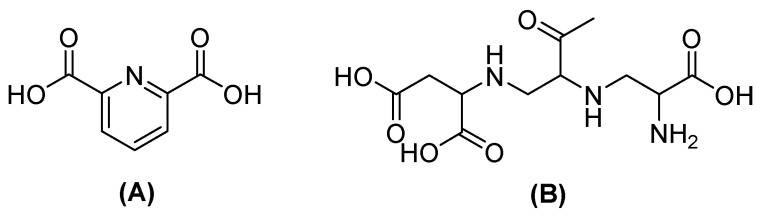
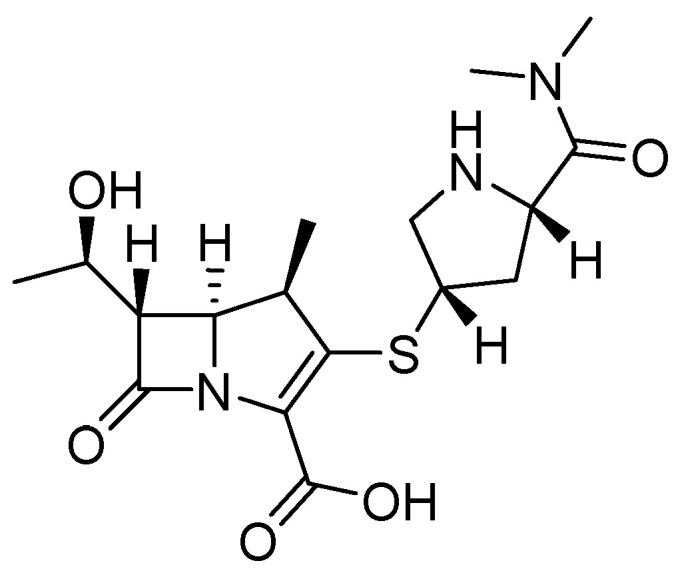
Currently, antimicrobial resistance (AMR) is a serious health problem in the world, mainly because of the rapid spread of multidrug-resistant (MDR) bacteria. These include bacteria that produce β-lactamases, which confer resistance to β-lactams, the antibiotics with the most prescriptions in the world. Carbapenems are particularly noteworthy because they are considered the ultimate therapeutic option for MDR bacteria. However, this group of antibiotics can also be hydrolyzed by β-lactamases, including metallo-β-lactamases (MBLs), which have one or two zinc ions (Zn) on the active site and are resistant to common inhibitors of serine β-lactamases, such as clavulanic acid, sulbactam, tazobactam, and avibactam. Therefore, the design of inhibitors against MBLs has been directed toward various compounds, with groups such as nitrogen, thiols, and metal-binding carboxylates, or compounds such as bicyclic boronates that mimic hydrolysis intermediates. Other compounds, such as dipicolinic acid and aspergillomarasmin A, have also been shown to inhibit MBLs by chelating Zn In fact, recent inhibitors are based on Zn chelation, which is an important factor in the mechanism of action of most MBL inhibitors. Therefore, in this review, we analyzed the current strategies for the design and mechanism of action of metal-ion-binding inhibitors that combat MDR bacteria.

摘要

目前,抗菌药物耐药性(AMR)是全球面临的一个严重的健康问题,主要是因为多药耐药(MDR)细菌的迅速传播。这些细菌包括产生β-内酰胺酶的细菌,β-内酰胺酶使细菌对世界上使用最多的抗生素——β-内酰胺类抗生素产生耐药性。碳青霉烯类抗生素尤其值得关注,因为它们被认为是治疗多药耐药细菌的终极治疗选择。然而,这组抗生素也可以被β-内酰胺酶水解,包括金属β-内酰胺酶(MBLs),其在活性部位有一个或两个锌离子(Zn),并且对丝氨酸β-内酰胺酶的常见抑制剂如克拉维酸、舒巴坦、他唑巴坦和阿维巴坦具有耐药性。因此,针对 MBL 的抑制剂的设计已经针对各种化合物进行了指导,这些化合物的基团包括氮、硫醇和金属结合羧酸酯,或者类似双环硼酸酯的化合物,这些化合物模拟水解中间体。其他化合物,如二吡啶甲酸和aspergillomarasmin A,也已被证明通过螯合 Zn 来抑制 MBL。事实上,最近的抑制剂是基于 Zn 螯合,这是大多数 MBL 抑制剂作用机制中的一个重要因素。因此,在这篇综述中,我们分析了针对金属离子结合抑制剂的设计和作用机制的现有策略,这些抑制剂可以对抗多药耐药细菌。
https://cdn.ncbi.nlm.nih.gov/pmc/blobs/9838/11356879/ccd1fc5f845f/molecules-29-03944-g030.jpg
https://cdn.ncbi.nlm.nih.gov/pmc/blobs/9838/11356879/ed67329c1f5f/molecules-29-03944-g001.jpg
https://cdn.ncbi.nlm.nih.gov/pmc/blobs/9838/11356879/b3b15ca33ac4/molecules-29-03944-g002.jpg
https://cdn.ncbi.nlm.nih.gov/pmc/blobs/9838/11356879/8278fba6fdd4/molecules-29-03944-g003.jpg
https://cdn.ncbi.nlm.nih.gov/pmc/blobs/9838/11356879/4bdb2fb2caf9/molecules-29-03944-g004.jpg
https://cdn.ncbi.nlm.nih.gov/pmc/blobs/9838/11356879/903155c1a142/molecules-29-03944-g005.jpg
https://cdn.ncbi.nlm.nih.gov/pmc/blobs/9838/11356879/af75a7748b06/molecules-29-03944-g006.jpg
https://cdn.ncbi.nlm.nih.gov/pmc/blobs/9838/11356879/7a18a804ac47/molecules-29-03944-g007.jpg
https://cdn.ncbi.nlm.nih.gov/pmc/blobs/9838/11356879/6076948a5127/molecules-29-03944-g008.jpg
https://cdn.ncbi.nlm.nih.gov/pmc/blobs/9838/11356879/66425e76c158/molecules-29-03944-g009.jpg
https://cdn.ncbi.nlm.nih.gov/pmc/blobs/9838/11356879/8df4c4112686/molecules-29-03944-g010.jpg
https://cdn.ncbi.nlm.nih.gov/pmc/blobs/9838/11356879/84999cf6e565/molecules-29-03944-g011.jpg
https://cdn.ncbi.nlm.nih.gov/pmc/blobs/9838/11356879/d6535e316bef/molecules-29-03944-g012.jpg
https://cdn.ncbi.nlm.nih.gov/pmc/blobs/9838/11356879/cd158470b8ea/molecules-29-03944-g013.jpg
https://cdn.ncbi.nlm.nih.gov/pmc/blobs/9838/11356879/524deccc8a92/molecules-29-03944-g014.jpg
https://cdn.ncbi.nlm.nih.gov/pmc/blobs/9838/11356879/f469980cf666/molecules-29-03944-g015.jpg
https://cdn.ncbi.nlm.nih.gov/pmc/blobs/9838/11356879/540034a2c1a3/molecules-29-03944-g016.jpg
https://cdn.ncbi.nlm.nih.gov/pmc/blobs/9838/11356879/a432b4f4765f/molecules-29-03944-g017.jpg
https://cdn.ncbi.nlm.nih.gov/pmc/blobs/9838/11356879/4c6d9b9bfaa2/molecules-29-03944-g018.jpg
https://cdn.ncbi.nlm.nih.gov/pmc/blobs/9838/11356879/5accc0c2607d/molecules-29-03944-g019.jpg
https://cdn.ncbi.nlm.nih.gov/pmc/blobs/9838/11356879/4b62b8f12531/molecules-29-03944-g020.jpg
https://cdn.ncbi.nlm.nih.gov/pmc/blobs/9838/11356879/bd50a98148a7/molecules-29-03944-g021.jpg
https://cdn.ncbi.nlm.nih.gov/pmc/blobs/9838/11356879/e971990d4fc0/molecules-29-03944-g022.jpg
https://cdn.ncbi.nlm.nih.gov/pmc/blobs/9838/11356879/cb28d2093c7d/molecules-29-03944-g023.jpg
https://cdn.ncbi.nlm.nih.gov/pmc/blobs/9838/11356879/a5fcad04c542/molecules-29-03944-g024.jpg
https://cdn.ncbi.nlm.nih.gov/pmc/blobs/9838/11356879/73f4c9f5cff2/molecules-29-03944-g025.jpg
https://cdn.ncbi.nlm.nih.gov/pmc/blobs/9838/11356879/6812f25938f8/molecules-29-03944-g026.jpg
https://cdn.ncbi.nlm.nih.gov/pmc/blobs/9838/11356879/a8b578b95568/molecules-29-03944-g027.jpg
https://cdn.ncbi.nlm.nih.gov/pmc/blobs/9838/11356879/87b9df1dd916/molecules-29-03944-g028.jpg
https://cdn.ncbi.nlm.nih.gov/pmc/blobs/9838/11356879/c8d4e66cf64b/molecules-29-03944-g029.jpg
https://cdn.ncbi.nlm.nih.gov/pmc/blobs/9838/11356879/ccd1fc5f845f/molecules-29-03944-g030.jpg
https://cdn.ncbi.nlm.nih.gov/pmc/blobs/9838/11356879/ed67329c1f5f/molecules-29-03944-g001.jpg
https://cdn.ncbi.nlm.nih.gov/pmc/blobs/9838/11356879/b3b15ca33ac4/molecules-29-03944-g002.jpg
https://cdn.ncbi.nlm.nih.gov/pmc/blobs/9838/11356879/8278fba6fdd4/molecules-29-03944-g003.jpg
https://cdn.ncbi.nlm.nih.gov/pmc/blobs/9838/11356879/4bdb2fb2caf9/molecules-29-03944-g004.jpg
https://cdn.ncbi.nlm.nih.gov/pmc/blobs/9838/11356879/903155c1a142/molecules-29-03944-g005.jpg
https://cdn.ncbi.nlm.nih.gov/pmc/blobs/9838/11356879/af75a7748b06/molecules-29-03944-g006.jpg
https://cdn.ncbi.nlm.nih.gov/pmc/blobs/9838/11356879/7a18a804ac47/molecules-29-03944-g007.jpg
https://cdn.ncbi.nlm.nih.gov/pmc/blobs/9838/11356879/6076948a5127/molecules-29-03944-g008.jpg
https://cdn.ncbi.nlm.nih.gov/pmc/blobs/9838/11356879/66425e76c158/molecules-29-03944-g009.jpg
https://cdn.ncbi.nlm.nih.gov/pmc/blobs/9838/11356879/8df4c4112686/molecules-29-03944-g010.jpg
https://cdn.ncbi.nlm.nih.gov/pmc/blobs/9838/11356879/84999cf6e565/molecules-29-03944-g011.jpg
https://cdn.ncbi.nlm.nih.gov/pmc/blobs/9838/11356879/d6535e316bef/molecules-29-03944-g012.jpg
https://cdn.ncbi.nlm.nih.gov/pmc/blobs/9838/11356879/cd158470b8ea/molecules-29-03944-g013.jpg
https://cdn.ncbi.nlm.nih.gov/pmc/blobs/9838/11356879/524deccc8a92/molecules-29-03944-g014.jpg
https://cdn.ncbi.nlm.nih.gov/pmc/blobs/9838/11356879/f469980cf666/molecules-29-03944-g015.jpg
https://cdn.ncbi.nlm.nih.gov/pmc/blobs/9838/11356879/540034a2c1a3/molecules-29-03944-g016.jpg
https://cdn.ncbi.nlm.nih.gov/pmc/blobs/9838/11356879/a432b4f4765f/molecules-29-03944-g017.jpg
https://cdn.ncbi.nlm.nih.gov/pmc/blobs/9838/11356879/4c6d9b9bfaa2/molecules-29-03944-g018.jpg
https://cdn.ncbi.nlm.nih.gov/pmc/blobs/9838/11356879/5accc0c2607d/molecules-29-03944-g019.jpg
https://cdn.ncbi.nlm.nih.gov/pmc/blobs/9838/11356879/4b62b8f12531/molecules-29-03944-g020.jpg
https://cdn.ncbi.nlm.nih.gov/pmc/blobs/9838/11356879/bd50a98148a7/molecules-29-03944-g021.jpg
https://cdn.ncbi.nlm.nih.gov/pmc/blobs/9838/11356879/e971990d4fc0/molecules-29-03944-g022.jpg
https://cdn.ncbi.nlm.nih.gov/pmc/blobs/9838/11356879/cb28d2093c7d/molecules-29-03944-g023.jpg
https://cdn.ncbi.nlm.nih.gov/pmc/blobs/9838/11356879/a5fcad04c542/molecules-29-03944-g024.jpg
https://cdn.ncbi.nlm.nih.gov/pmc/blobs/9838/11356879/73f4c9f5cff2/molecules-29-03944-g025.jpg
https://cdn.ncbi.nlm.nih.gov/pmc/blobs/9838/11356879/6812f25938f8/molecules-29-03944-g026.jpg
https://cdn.ncbi.nlm.nih.gov/pmc/blobs/9838/11356879/a8b578b95568/molecules-29-03944-g027.jpg
https://cdn.ncbi.nlm.nih.gov/pmc/blobs/9838/11356879/87b9df1dd916/molecules-29-03944-g028.jpg
https://cdn.ncbi.nlm.nih.gov/pmc/blobs/9838/11356879/c8d4e66cf64b/molecules-29-03944-g029.jpg
https://cdn.ncbi.nlm.nih.gov/pmc/blobs/9838/11356879/ccd1fc5f845f/molecules-29-03944-g030.jpg

相似文献

1
Current Strategy for Targeting Metallo-β-Lactamase with Metal-Ion-Binding Inhibitors.当前针对金属-β-内酰胺酶的金属离子结合抑制剂的策略。
Molecules. 2024 Aug 21;29(16):3944. doi: 10.3390/molecules29163944.
2
Cyclic Boronates Inhibit All Classes of β-Lactamases.环状硼酸酯可抑制所有类型的β-内酰胺酶。
Antimicrob Agents Chemother. 2017 Mar 24;61(4). doi: 10.1128/AAC.02260-16. Print 2017 Apr.
3
Aspergillomarasmine A inhibits metallo-β-lactamases by selectively sequestering Zn.曲霉马索马辛 A 通过选择性螯合 Zn 来抑制金属β-内酰胺酶。
J Biol Chem. 2021 Aug;297(2):100918. doi: 10.1016/j.jbc.2021.100918. Epub 2021 Jun 25.
4
Progress toward inhibitors of metallo-β-lactamases.金属β-内酰胺酶抑制剂的研究进展。
Future Med Chem. 2017 May;9(7):673-691. doi: 10.4155/fmc-2017-0007. Epub 2017 May 15.
5
Diversity and Proliferation of Metallo-β-Lactamases: a Clarion Call for Clinically Effective Metallo-β-Lactamase Inhibitors.金属β-内酰胺酶的多样性和增殖:呼吁开发临床上有效的金属β-内酰胺酶抑制剂。
Appl Environ Microbiol. 2018 Aug 31;84(18). doi: 10.1128/AEM.00698-18. Print 2018 Sep 15.
6
Structural and biochemical analysis of the metallo-β-lactamase L1 from emerging pathogen Stenotrophomonas maltophilia revealed the subtle but distinct di-metal scaffold for catalytic activity.结构和生化分析新兴病原体嗜麦芽寡养单胞菌金属β-内酰胺酶 L1 揭示了微妙但明显的双金属支架用于催化活性。
Protein Sci. 2020 Mar;29(3):723-743. doi: 10.1002/pro.3804. Epub 2019 Dec 24.
7
Metallo-β-Lactamase Inhibitors Inspired on Snapshots from the Catalytic Mechanism.基于催化机制快照得到的金属-β-内酰胺酶抑制剂
Biomolecules. 2020 Jun 3;10(6):854. doi: 10.3390/biom10060854.
8
Studies on the inhibition of AmpC and other β-lactamases by cyclic boronates.环状硼酸酯对 AmpC 酶和其他β-内酰胺酶的抑制作用研究。
Biochim Biophys Acta Gen Subj. 2019 Apr;1863(4):742-748. doi: 10.1016/j.bbagen.2019.02.004. Epub 2019 Feb 7.
9
Structure, Function of Serine and Metallo-β-lactamases and their Inhibitors.丝氨酸β-内酰胺酶和金属β-内酰胺酶的结构、功能及其抑制剂
Curr Protein Pept Sci. 2018;19(2):130-144. doi: 10.2174/0929866524666170724160623.
10
Broad-Spectrum Inhibitors against Class A, B, and C Type β-Lactamases to Block the Hydrolysis against Antibiotics: Kinetics and Structural Characterization.广谱抑制剂对 A 类、B 类和 C 类β-内酰胺酶抑制以阻止抗生素水解:动力学和结构特征。
Microbiol Spectr. 2022 Oct 26;10(5):e0045022. doi: 10.1128/spectrum.00450-22. Epub 2022 Sep 7.

引用本文的文献

1
A Novel Metallo-β-Lactamase AMM-1 From Alteromonas mangrovi Reveals a Cryptic Environmental Reservoir of Carbapenem Resistance.来自红树林交替单胞菌的新型金属β-内酰胺酶AMM-1揭示了碳青霉烯耐药性的潜在环境储存库。
Microb Biotechnol. 2025 Jul;18(7):e70191. doi: 10.1111/1751-7915.70191.

本文引用的文献

1
Role of β-Lactamase Inhibitors as Potentiators in Antimicrobial Chemotherapy Targeting Gram-Negative Bacteria.β-内酰胺酶抑制剂作为增效剂在针对革兰氏阴性菌的抗菌化疗中的作用。
Antibiotics (Basel). 2024 Mar 15;13(3):260. doi: 10.3390/antibiotics13030260.
2
Fluorinated captopril analogues inhibit metallo-β-lactamases and facilitate structure determination of NDM-1 binding pose.含氟卡托普利类似物抑制金属β-内酰胺酶并有助于确定 NDM-1 的结合构象。
Eur J Med Chem. 2024 Feb 15;266:116140. doi: 10.1016/j.ejmech.2024.116140. Epub 2024 Jan 10.
3
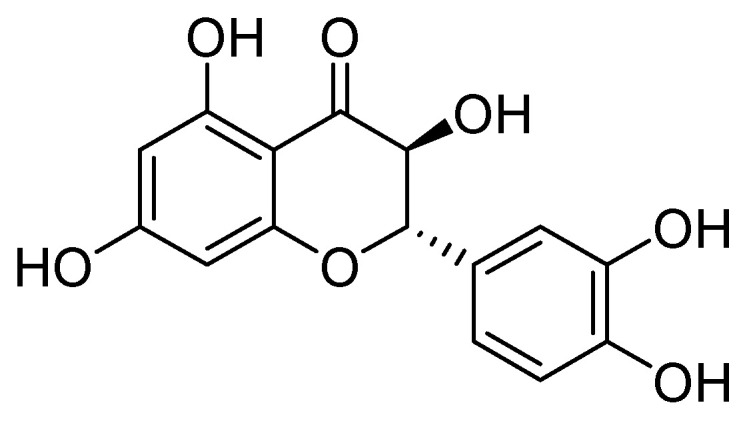
Taxifolin as a Metallo-β-Lactamase Inhibitor in Combination with Augmentin against Verona Imipenemase 2 Expressing .
表儿茶素作为金属β-内酰胺酶抑制剂与奥格门汀联合用于对抗表达维罗纳碳青霉烯酶2的菌株
Microorganisms. 2023 Oct 28;11(11):2653. doi: 10.3390/microorganisms11112653.
4
Kinetics, Thermodynamics, and Structural Effects of Quinoline-2-Carboxylates, Zinc-Binding Inhibitors of New Delhi Metallo-β-lactamase-1 Re-sensitizing Multidrug-Resistant Bacteria for Carbapenems.喹啉-2-羧酸酯的动力学、热力学和结构效应,作为新德里金属β-内酰胺酶-1 再敏化耐碳青霉烯类多药耐药菌的锌结合抑制剂。
J Med Chem. 2023 Sep 14;66(17):11761-11791. doi: 10.1021/acs.jmedchem.3c00171. Epub 2023 Aug 16.
5
An insight into novel therapeutic potentials of taxifolin.对花旗松素新型治疗潜力的洞察。
Front Pharmacol. 2023 May 12;14:1173855. doi: 10.3389/fphar.2023.1173855. eCollection 2023.
6
Beta-Lactam Antibiotic Resistance Genes in the Microbiome of the Public Transport System of Quito, Ecuador.厄瓜多尔基多公共交通系统微生物组中的β-内酰胺类抗生素耐药基因。
Int J Environ Res Public Health. 2023 Jan 20;20(3):1900. doi: 10.3390/ijerph20031900.
7
Biochemical exploration of β-lactamase inhibitors.β-内酰胺酶抑制剂的生化探索
Front Genet. 2023 Jan 17;13:1060736. doi: 10.3389/fgene.2022.1060736. eCollection 2022.
8
The in vitro and in vivo potential of metal-chelating agents as metallo-beta-lactamase inhibitors against carbapenem-resistant Enterobacterales.金属螯合剂作为金属β-内酰胺酶抑制剂对抗碳青霉烯类耐药肠杆菌科细菌的体外和体内潜力。
FEMS Microbiol Lett. 2023 Jan 17;370. doi: 10.1093/femsle/fnac122.
9
Global spread of carbapenem-resistant Enterobacteriaceae: Epidemiological features, resistance mechanisms, detection and therapy.全球碳青霉烯类耐药肠杆菌科的传播:流行病学特征、耐药机制、检测和治疗。
Microbiol Res. 2023 Jan;266:127249. doi: 10.1016/j.micres.2022.127249. Epub 2022 Nov 4.
10
Structural insights into the substrate specificity of IMP-6 and IMP-1 metallo-β-lactamases.IMP-6 和 IMP-1 金属β-内酰胺酶底物特异性的结构见解。
J Biochem. 2022 Dec 27;173(1):21-30. doi: 10.1093/jb/mvac080.