Dawood Samy A, Asseri Ali Alsuheel, Shati Ayed A, Eid Refaat A, El-Gamal Basiouny, Zaki Mohamed Samir A
Department of Child Health, College of Medicine, King Khalid University, P.O. Box 62529, Abha 12573, Saudi Arabia.
Department of Pathology, College of Medicine, King Khalid University, P.O. Box 62529, Abha 12573, Saudi Arabia.
Pharmaceuticals (Basel). 2024 Jul 30;17(8):1004. doi: 10.3390/ph17081004.
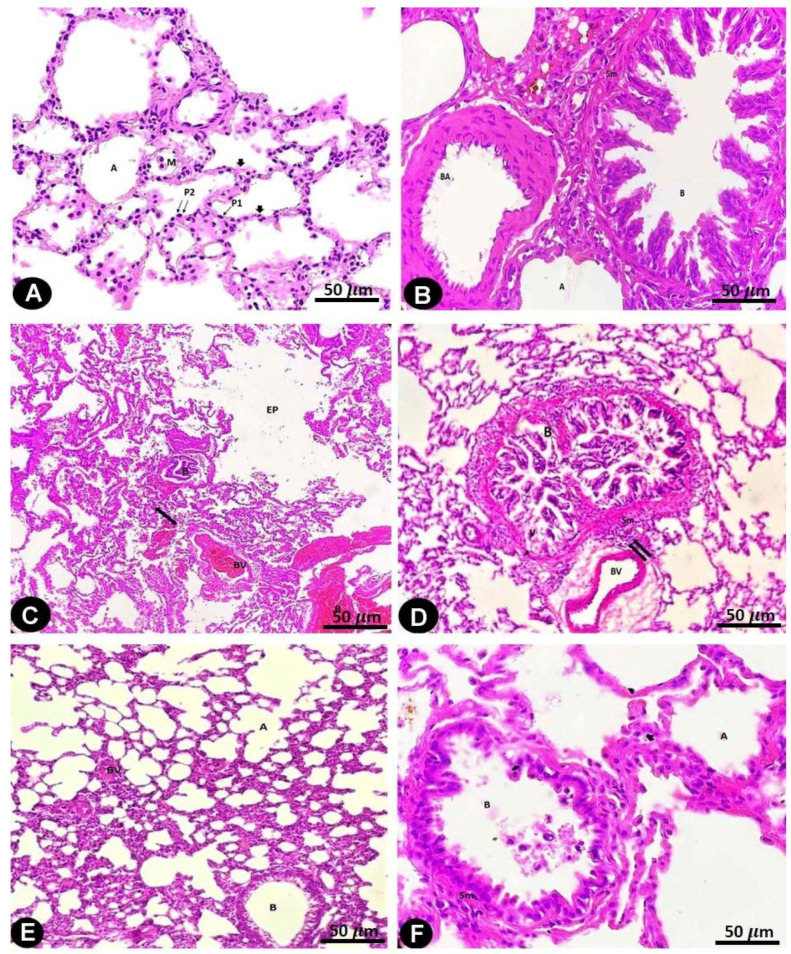
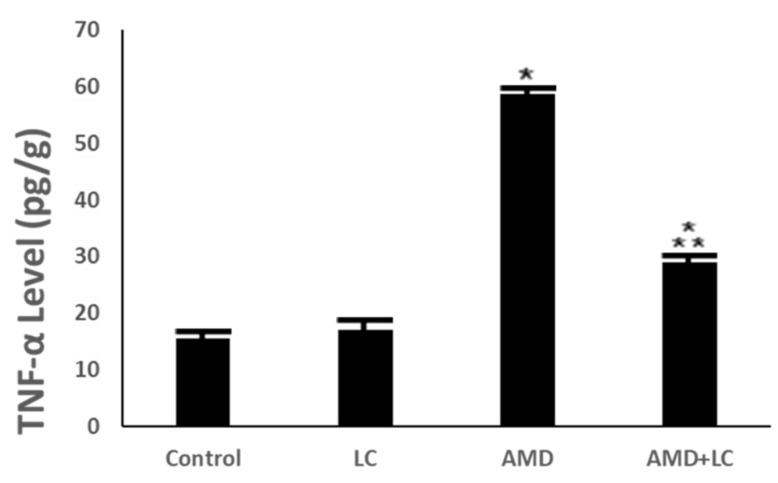
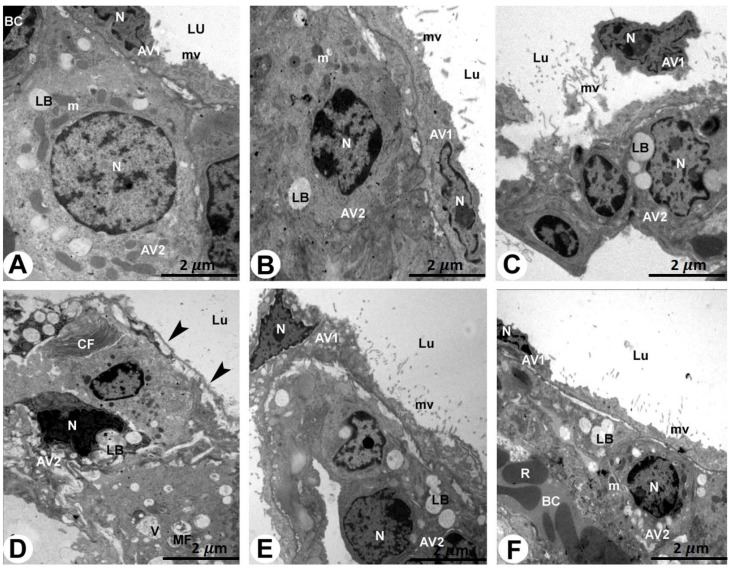
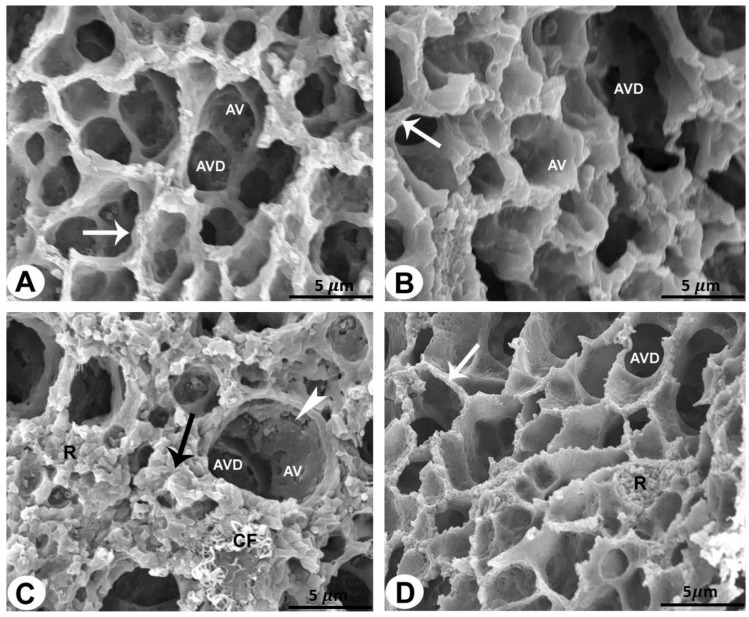
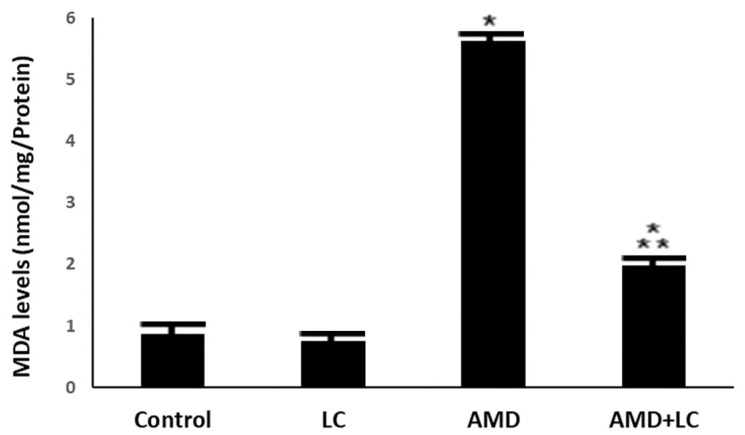
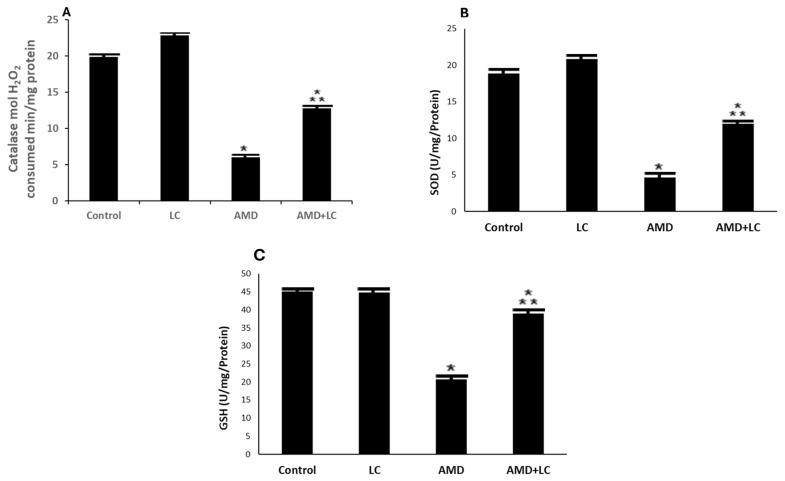
The aim of this study was to assess L-carnitine's effects on adult male rats' lung damage brought on by amiodarone, which is a potent antiarrhythmic with limited clinical efficacy due to potentially life-threatening amiodarone-induced lung damage. Because of the resemblance among the structural abnormalities in rats' lungs that follows amiodarone medication and pulmonary toxicity in human beings, this animal model may be an appropriate example for this disease entity. Amiodarone produced pulmonary toxicity in twenty-four healthy male albino rats (150-180 g) over a period of 6 weeks. Four groups of six rats each were established: control, sham, amiodarone, and L-carnitine plus amiodarone. Histological, ultrastructural, oxidative stress, and inflammatory markers were determined during a 6-week exposure experiment. Amiodarone-induced lung damage in rats may be brought on due to oxidative stress producing significant pulmonary cytotoxicity, as evidenced by the disruption of the mitochondrial structure, severe fibrosis, and inflammatory response of the lung tissue. Lungs already exposed to such harmful effects may be partially protected by the antioxidant L-carnitine. Biochemical markers of lung damage brought on by amiodarone include lung tissue levels of the enzyme's catalase, superoxide dismutase, and reduced glutathione. The levels of lipid peroxides in lung tissue measured as malondialdehyde increased significantly upon exposure to amiodarone. In addition, the levels of tumor necrosis factor alpha were significantly elevated in response to amiodarone. The effect of L-carnitine on amiodarone-induced pulmonary toxicity was studied in rats. It is interesting to note that the intake of L-carnitine in rats treated with amiodarone partially restored the biochemical and histopathological alterations brought on by amiodarone to their original levels. Tumor necrosis factor alpha levels were significantly reduced upon L-carnitine exposure. These results suggest that L-carnitine can be used to treat amiodarone-induced pulmonary dysfunction.
本研究的目的是评估左旋肉碱对胺碘酮所致成年雄性大鼠肺损伤的影响。胺碘酮是一种强效抗心律失常药物,但由于可能导致危及生命的胺碘酮诱导的肺损伤,其临床疗效有限。由于胺碘酮用药后大鼠肺部的结构异常与人类肺部毒性相似,这种动物模型可能是该疾病实体的一个合适例子。在6周的时间里,胺碘酮对24只健康雄性白化大鼠(150 - 180克)产生了肺毒性。将大鼠分为四组,每组六只:对照组、假手术组、胺碘酮组和左旋肉碱加胺碘酮组。在为期6周的暴露实验中,测定了组织学、超微结构、氧化应激和炎症标志物。胺碘酮诱导的大鼠肺损伤可能是由于氧化应激产生显著的肺细胞毒性所致,线粒体结构破坏、严重纤维化和肺组织炎症反应证明了这一点。已经受到这种有害影响的肺可能会被抗氧化剂左旋肉碱部分保护。胺碘酮所致肺损伤的生化标志物包括肺组织中过氧化氢酶、超氧化物歧化酶和还原型谷胱甘肽的水平。以丙二醛衡量的肺组织脂质过氧化物水平在暴露于胺碘酮后显著增加。此外,胺碘酮作用下肿瘤坏死因子α水平显著升高。研究了左旋肉碱对胺碘酮诱导的肺毒性的影响。值得注意的是,在接受胺碘酮治疗的大鼠中摄入左旋肉碱,可使胺碘酮引起的生化和组织病理学改变部分恢复到原始水平。暴露于左旋肉碱后,肿瘤坏死因子α水平显著降低。这些结果表明,左旋肉碱可用于治疗胺碘酮诱导的肺功能障碍。