Mallinckrodt Institute of Radiology, Washington University in St. Louis School of Medicine, St. Louis, MO, USA.
Department of Psychiatry, Washington University in St. Louis School of Medicine, St. Louis, MO, USA.
Neuropsychopharmacology. 2024 Nov;50(1):52-57. doi: 10.1038/s41386-024-01960-w. Epub 2024 Aug 30.
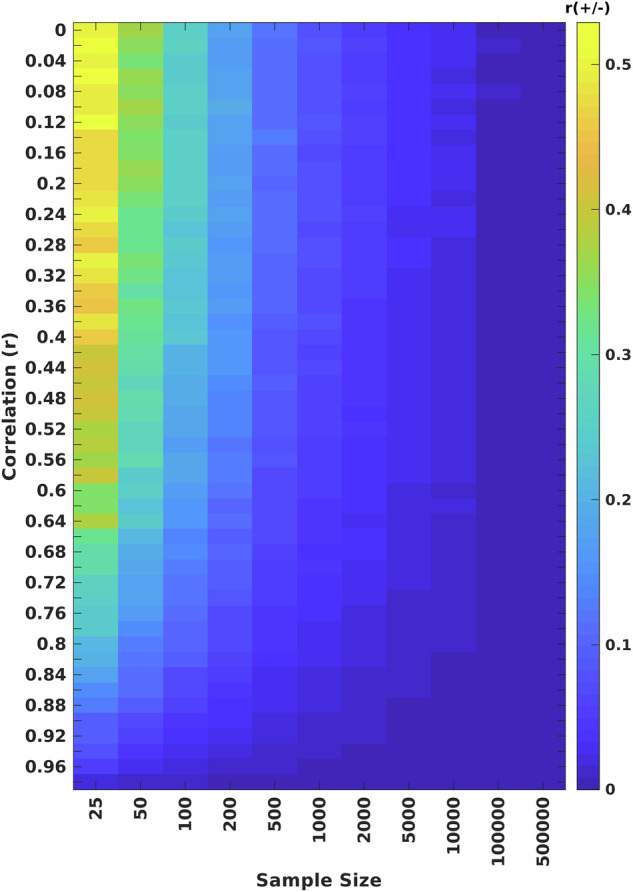
Studies linking mental health with brain function in cross-sectional population-based association studies have historically relied on small, underpowered samples. Given the small effect sizes typical of such brain-wide associations, studies require samples into the thousands to achieve the statistical power necessary for replicability. Here, we detail how small sample sizes have hampered replicability and provide sample size targets given established association strength benchmarks. Critically, while replicability will improve with larger samples, it is not guaranteed that observed effects will meaningfully apply to target populations of interest (i.e., be generalizable). We discuss important considerations related to generalizability in psychiatric neuroimaging and provide an example of generalizability failure due to "shortcut learning" in brain-based predictions of mental health phenotypes. Shortcut learning is a phenomenon whereby machine learning models learn an association between the brain and an unmeasured construct (the shortcut), rather than the intended target of mental health. Given the complex nature of brain-behavior interactions, the future of epidemiological approaches to brain-based studies of mental health will require large, diverse samples with comprehensive assessment.
在横断面上基于人群的关联研究中,将心理健康与大脑功能联系起来的研究历来依赖于小样本、统计效能低的样本。鉴于这种全脑关联的典型效应量较小,研究需要数千个样本才能达到可复制性所需的统计效能。在这里,我们详细说明了小样本量如何阻碍了可重复性,并根据已建立的关联强度基准提供了样本量目标。至关重要的是,虽然更大的样本量会提高可重复性,但不能保证观察到的效果会对感兴趣的目标人群(即可推广性)有实际意义。我们讨论了与精神病神经影像学中可推广性相关的重要考虑因素,并提供了一个由于基于大脑的心理健康表型预测中的“捷径学习”而导致可推广性失败的例子。捷径学习是一种现象,即机器学习模型学习大脑与未测量结构(捷径)之间的关联,而不是心理健康的预期目标。鉴于大脑-行为相互作用的复杂性,未来基于流行病学方法对心理健康的基于大脑的研究将需要具有全面评估的大型、多样化的样本。