Samadi Sattar, Zakeri Bijan, Khanbabaie Reza
Department of Electrical Engineering, Faculty of Electrical and Computer Engineering, Babol Noshirvani University of Technology, Babol, Iran.
Department of Physics, University osf British Columbia, Vancouver, Canada.
Basic Clin Neurosci. 2024 Mar-Apr;15(2):247-260. doi: 10.32598/bcn.2022.3821.1. Epub 2024 Mar 1.
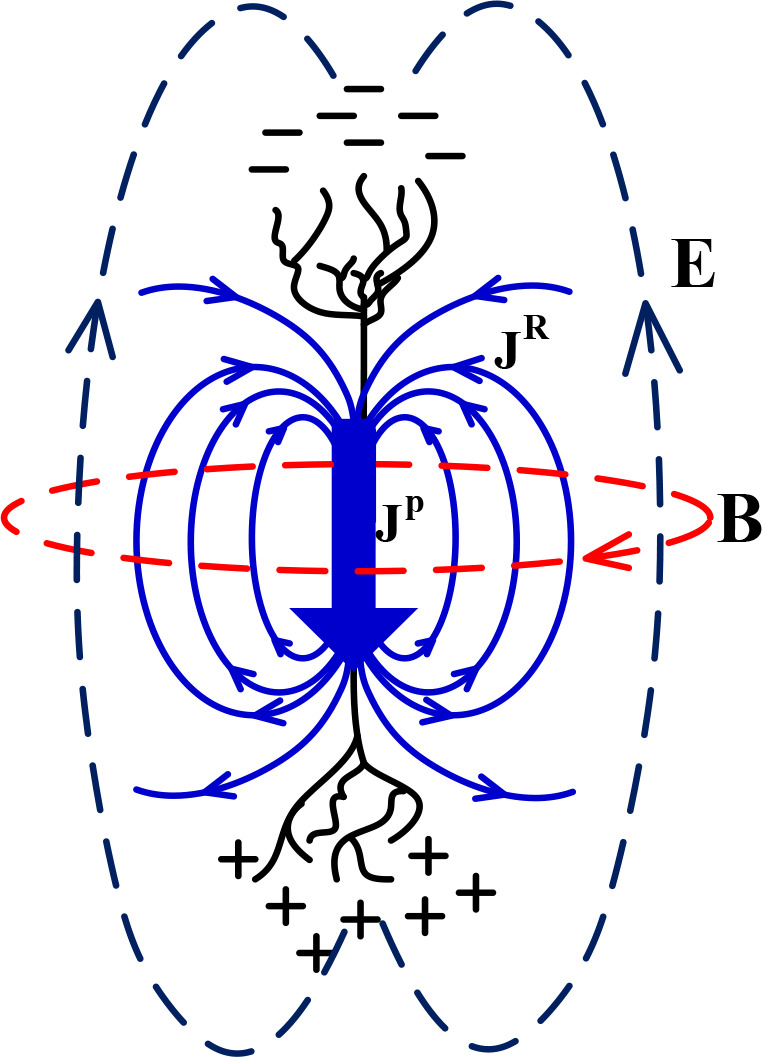
Currents in the brain flow inside neurons and across their boundaries into the extracellular medium, create electric and magnetic fields. These fields, which contain suitable information on brain activity, can be measured by electroencephalography (EEG), magnetoencephalography (MEG), and direct neural imaging.
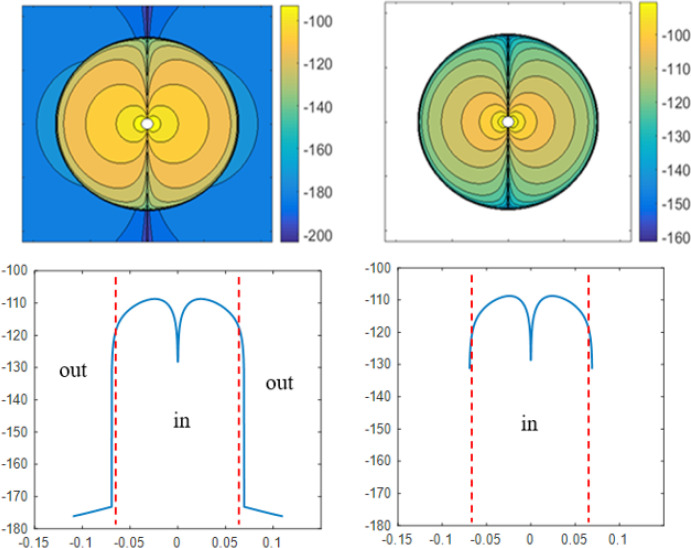
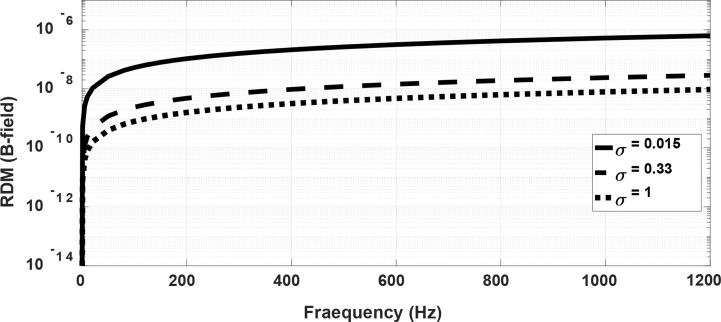
In this paper, we employed an electromagnetic model of the neuron activity and human head to derive electric and magnetic fields (brain waves) using a full-wave approach (ie. without any approximation). Currently, the brain waves are only derived using the quasi-static approximation (QSA) of Maxwell's equations in electromagnetic theory.
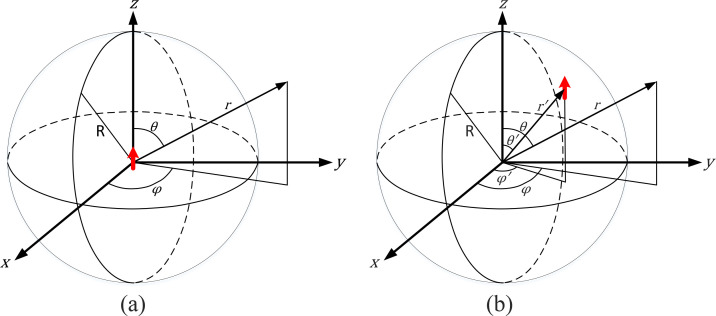
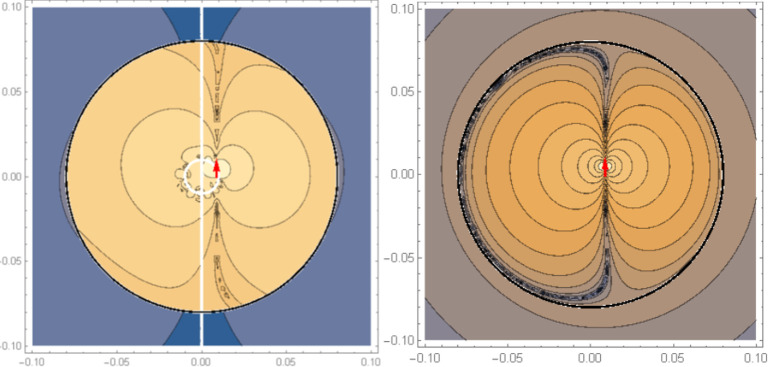
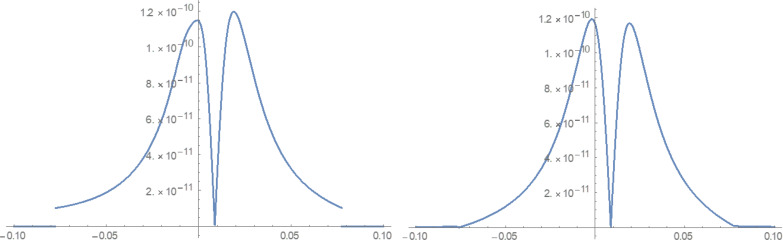
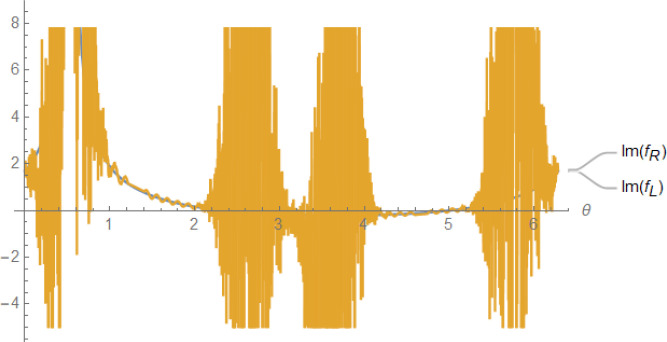
As a result, source localization in brain imaging will produce some errors. So far, the error rate of the QSA on the output results of electric and magnetic fields has not been investigated. This issue has become more noticeable due to the increased sensitivity of modern electroencephalography (EEG) and magnetoencephalography (MEG) devices. This work introduces issues that QSA encounters in this problem and reveals the necessity of a full-wave solution. Then, a full-wave solution of the problem in closed-form format is presented for the first time. This solution is done in two scenarios: the source (active neurons) is in the center of a sphere, and when the source is out of the center but deeply inside the sphere. The first scenario is simpler, but the second one is much more complicated and is solved using a partial-wave series expression.
One of the significant achievements of this model is improving the interpretation of EEG and MEG measurements, resulting in more accurate source localization.
大脑中的电流在神经元内部流动,并跨越其边界进入细胞外介质,从而产生电场和磁场。这些包含大脑活动相关合适信息的场,可以通过脑电图(EEG)、脑磁图(MEG)和直接神经成像来测量。
在本文中,我们采用神经元活动和人体头部的电磁模型,使用全波方法(即不做任何近似)来推导电场和磁场(脑电波)。目前,脑电波仅使用电磁理论中麦克斯韦方程组的准静态近似(QSA)来推导。
结果表明,脑成像中的源定位会产生一些误差。到目前为止,尚未研究QSA对电场和磁场输出结果的误差率。由于现代脑电图(EEG)和脑磁图(MEG)设备的灵敏度提高,这个问题变得更加明显。这项工作介绍了QSA在这个问题中遇到的问题,并揭示了全波解的必要性。然后,首次以封闭形式给出了该问题的全波解。这个解在两种情况下完成:源(活跃神经元)位于球体中心,以及源不在中心但深在球体内。第一种情况更简单,但第二种情况要复杂得多,并且使用部分波级数表达式求解。
该模型的一项重要成果是改进了对EEG和MEG测量结果的解释,从而实现更准确的源定位。