University of Edinburgh, Clinical & Surgical Sciences, Edinburgh, UK.
Centre for Clinical Brain Sciences, University of Edinburgh, Edinburgh, UK.
Transl Psychiatry. 2024 Sep 6;14(1):361. doi: 10.1038/s41398-024-03060-1.
Pharmaco-psychiatric techniques remain the mainstay, first line treatments in substance use disorders (SUD), assisting in detoxification but largely ineffective at reducing dependence. The path to rehabilitation and freedom from addiction often proves uncertain and laborious for both patients and their significant others. Relapse rates for multiple substances of abuse are considerable and the number of SUD patients is on the increase worldwide.
To assess efficacy of deep brain stimulation (DBS) as a therapeutic solution for SUDs.
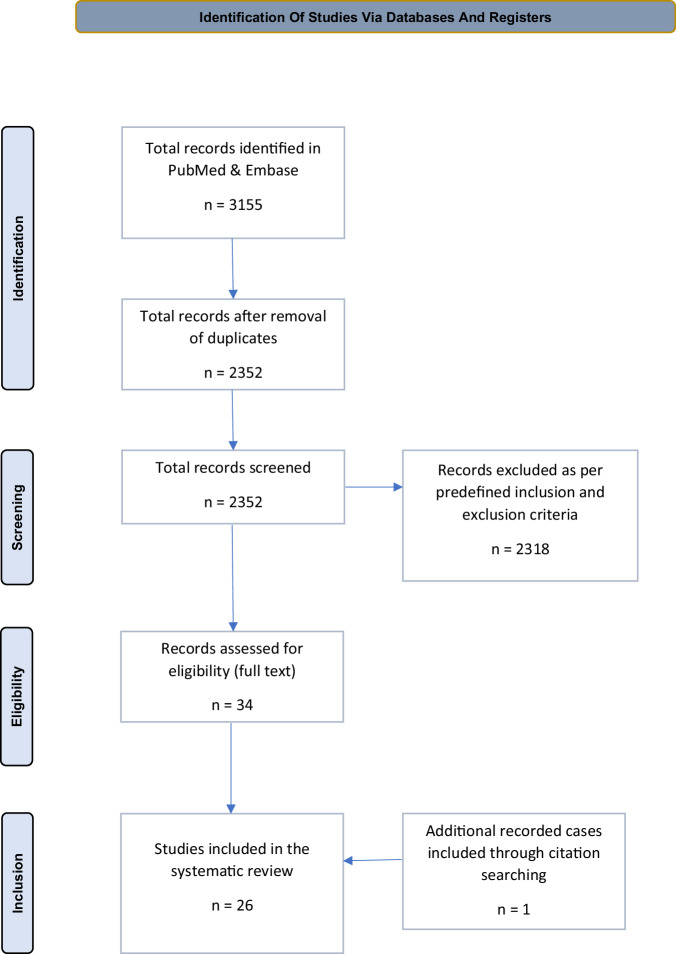
A systematic electronic database search of PubMed and EMBASE retrieved DBS addiction-focused studies on humans, of which a total of 26 (n = 71) from 2007 to 2023 were deemed eligible, including the first randomized controlled trial (RCT) in this field. This review was prospectively registered with PROSPERO: CRD42023411631.
In addressing SUDs, DBS targeting primarily the nucleus accumbens (NAcc), with or without the anterior limb of the internal capsule, presented encouraging levels of efficacy in reducing cravings and consumption, followed by remission in some subjects, but still reporting relapses in 73.2% of patients.
For treatment-refractory addictions DBS use seems limited to reducing cravings with a satisfactory degree of success, yet not clinically consistent in inducing abstinence, suggesting involvement of factors unaffected by DBS intervention. Furthermore, costs and the scale of the problem are such that DBS is unlikely to have a significant societal impact. Nevertheless, DBS may provide insight into the biology of addiction and is worthy of further research using increased methodological rigor, standardized outcome measures, and pre-established surgical protocols.
精神药理学技术仍然是物质使用障碍(SUD)的主要一线治疗方法,有助于解毒,但在减少依赖方面效果不大。对于患者及其重要他人来说,康复和戒除成瘾的道路往往充满不确定性和艰辛。多种滥用物质的复发率相当高,全球 SUD 患者人数也在增加。
评估深部脑刺激(DBS)作为治疗 SUD 的疗效。
对 PubMed 和 EMBASE 进行了系统的电子数据库搜索,检索了针对人类的 DBS 成瘾研究,其中共有 2007 年至 2023 年的 26 项(n=71)符合条件的研究,包括该领域的首个随机对照试验(RCT)。本综述前瞻性地在 PROSPERO 注册:CRD42023411631。
针对 SUD,DBS 主要针对伏隔核(NAcc),或同时针对 NAcc 和内囊前肢,在减少渴望和消费方面呈现出令人鼓舞的疗效水平,随后一些患者出现缓解,但仍有 73.2%的患者报告复发。
对于治疗抵抗性成瘾,DBS 的使用似乎仅限于减少渴望,且成功率令人满意,但在诱导戒断方面并不一致,这表明存在不受 DBS 干预影响的因素。此外,成本和问题的规模使得 DBS 不太可能对社会产生重大影响。然而,DBS 可能为成瘾生物学提供新的见解,值得进一步研究,使用更高的方法学严谨性、标准化的结果测量和预先建立的手术方案。