Prajjwal Priyadarshi, Chandrasekar Kiran Kishor, Battula Pavani, Gaviria Elizabeth, Awe Mishael Oluwadamilola, Inban Pugazhendi, Almutairi Adel S, Das Arpan, Tekuru Yogesh, Marsool Mohammed Dheyaa Marsool, Reddy Murali Mohan, Mitra Spandana, Bamba Hyma, Singh Gurmehar, Jain Hritvik, Gadam Srikanth, Hussin Omniat Amir
Department of Neurology, Bharati Vidyapeeth Medical College, Pune.
Neurology, Clinical Development Fellow, University Hospital Ayr, Ayr, Scotland, UK.
Ann Med Surg (Lond). 2024 Aug 2;86(9):5425-5438. doi: 10.1097/MS9.0000000000002403. eCollection 2024 Sep.
Stroke is a major cause of adult disability, prompting the exploration of innovative rehabilitation methods. Virtual rehabilitation (VR), leveraging technological advances, has gained popularity as a treatment for stroke recovery.
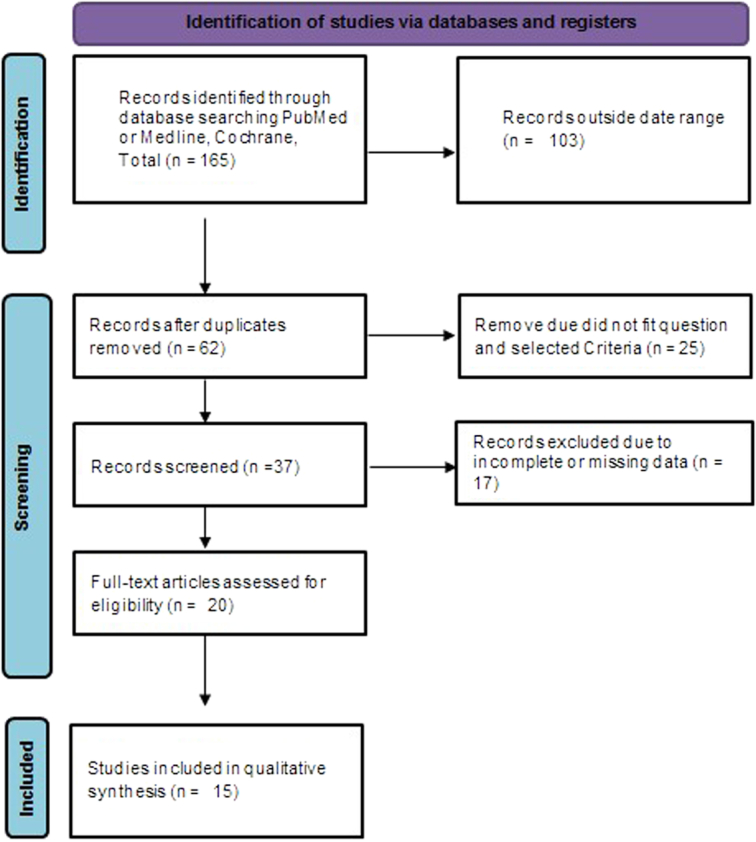
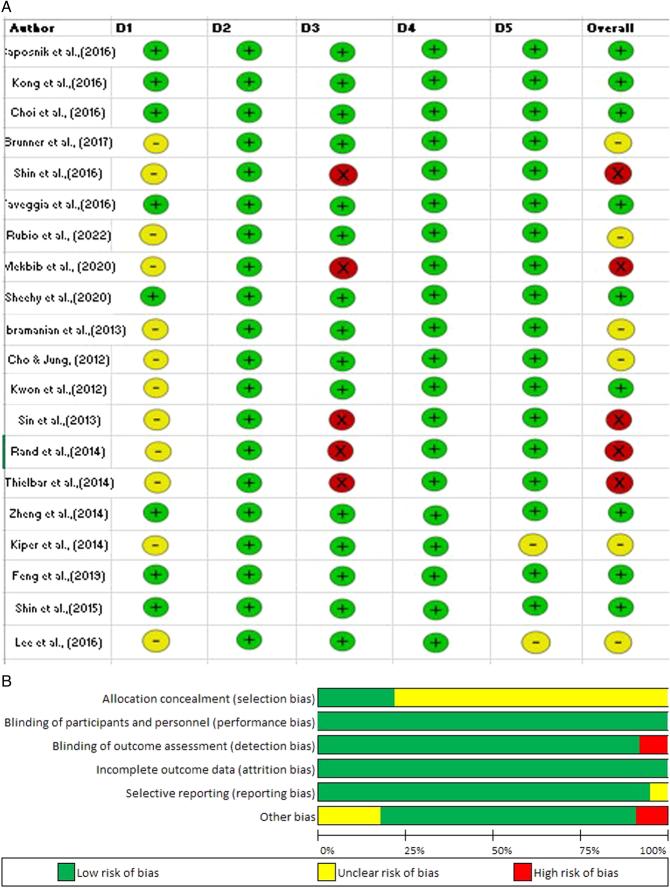
The authors conducted a systematic review and meta-analysis of randomized controlled trials (RCTs) published in English within the last decade, adhering to the PRISMA guidelines. The authors searched databases such as Medline/PubMed, and the Cochrane Library using specific search keywords and Medical Subject Headings (MeSH). The methodological quality was assessed using the PEDro scale, focusing on RCTs involving adult stroke patients undergoing VR rehabilitation, with outcomes related to motor function and quality of life.
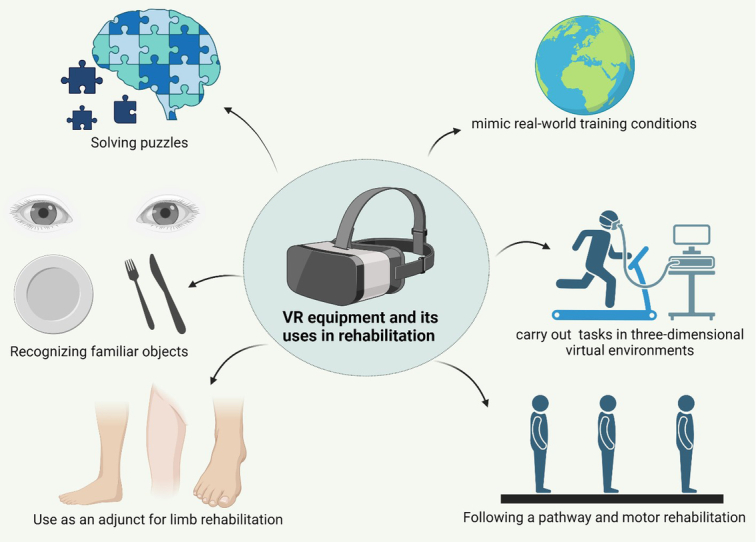
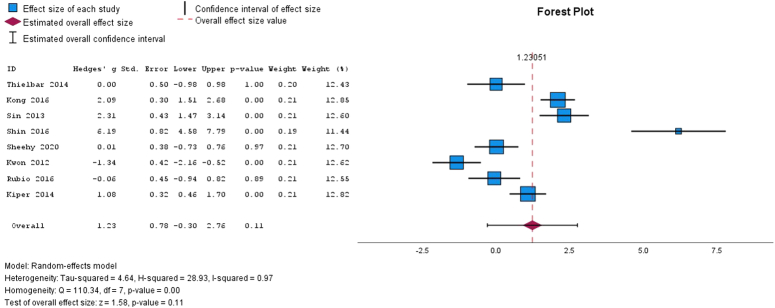
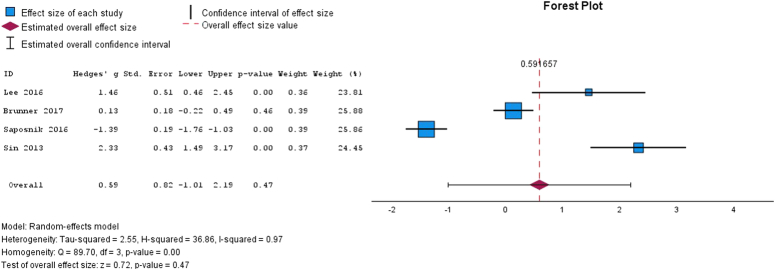
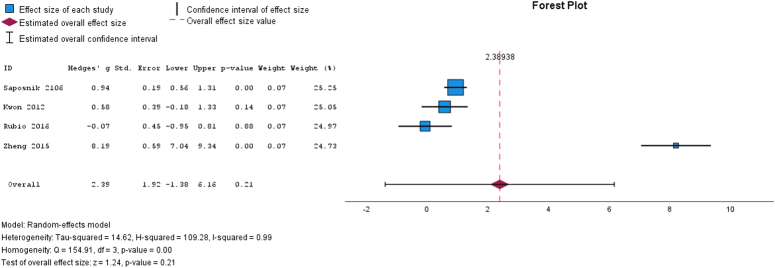
The authors included 15 studies in our meta-analysis. VR rehabilitation offers several advantages over traditional therapy, such as enhanced feedback and increased patient motivation. Engaging VR environments helps improve focus during treatment, potentially boosting recovery from post-stroke impairments. VR therapies significantly benefit motor function, which can improve activities of daily living and overall quality of life.
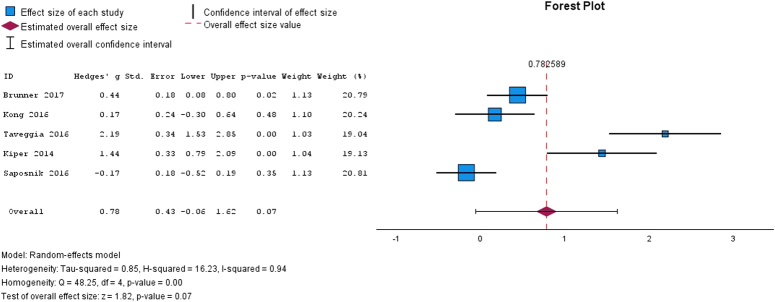
VR has demonstrated efficacy in improving motor function and quality of life for stroke survivors. Future research should explore patient variability and refine intervention methods. Incorporating VR into rehabilitation programs could optimize stroke recovery outcomes.
中风是成人残疾的主要原因,这促使人们探索创新的康复方法。虚拟康复(VR)借助技术进步,已成为中风康复治疗的一种流行方法。
作者遵循PRISMA指南,对过去十年以英文发表的随机对照试验(RCT)进行了系统评价和荟萃分析。作者使用特定的搜索关键词和医学主题词(MeSH)在Medline/PubMed和Cochrane图书馆等数据库中进行搜索。使用PEDro量表评估方法学质量,重点关注涉及接受VR康复治疗的成年中风患者的RCT,其结果与运动功能和生活质量相关。
作者在荟萃分析中纳入了15项研究。与传统治疗相比,VR康复具有多种优势,如增强反馈和提高患者积极性。参与VR环境有助于提高治疗期间的注意力,可能促进中风后损伤的恢复。VR疗法对运动功能有显著益处,可改善日常生活活动能力和整体生活质量。
VR已证明对中风幸存者的运动功能和生活质量有改善作用。未来的研究应探索患者差异并完善干预方法。将VR纳入康复计划可优化中风康复效果。