Saab Yolande, Zgheib Rebecca, Nakad Zahi, Khnayzer Rony S
Pharmaceutical Sciences Department, School of Pharmacy, Lebanese American University, Lebanon.
Electrical and Computer Engineering Department, School of Engineering, Lebanese American University, Lebanon.
Toxicol Rep. 2024 Aug 8;13:101709. doi: 10.1016/j.toxrep.2024.101709. eCollection 2024 Dec.
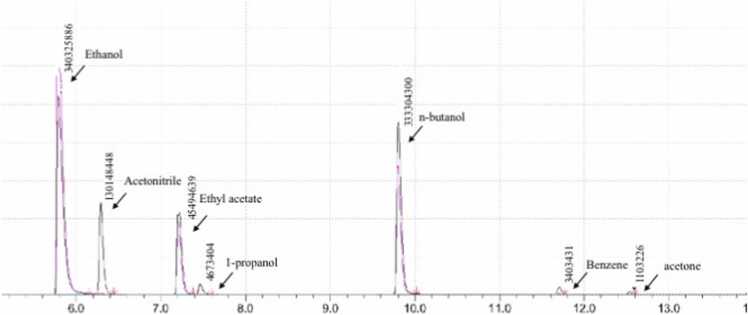
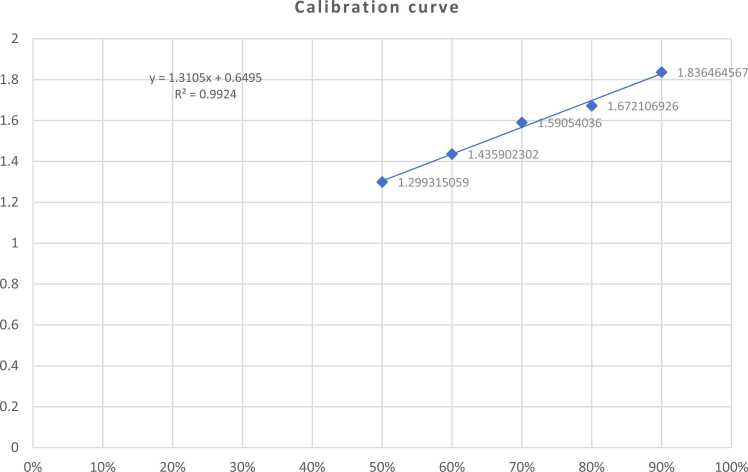
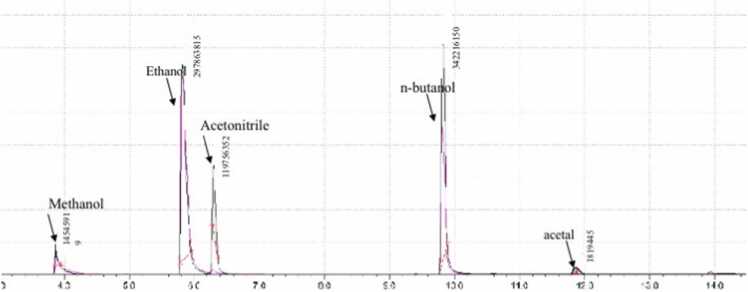
This study aimed to assess volatile impurities and ethanol content in ethanol-based hand sanitizers. A total of 31 different brands of hand sanitizers were analyzed using headspace gas chromatography-mass spectrometry to detect impurities and determine alcohol content for compliance. Volatile impurities were identified through Mass Spectrometry database analysis, and regression analysis was employed to ascertain ethanol percentage. Furthermore, a simulated toxicological analysis was conducted to evaluate the potential toxic effects associated with hand sanitizer usage. The detected impurities primarily included ethyl acetate, benzene, acetone, and acetal, along with contaminations such as isobutanol and non-recommended alcohols. In addition, 71 % of samples contained less than the recommended 60 % v/v alcohol concentration, failing to comply with guidelines from the Centers for Disease Control and Prevention (CDC) and the World Health Organization (WHO). Additionally, the simulation study underscored acute and chronic toxicities primarily linked to benzene contamination. Given that some of the studied products are imported while others are locally produced, it is imperative for consumers worldwide to be informed that certain hand sanitizers may not only be ineffective but also contain harmful residues.
本研究旨在评估乙醇基洗手液中的挥发性杂质和乙醇含量。使用顶空气相色谱 - 质谱联用仪对总共31个不同品牌的洗手液进行分析,以检测杂质并确定酒精含量是否合规。通过质谱数据库分析鉴定挥发性杂质,并采用回归分析确定乙醇百分比。此外,进行了模拟毒理学分析,以评估与使用洗手液相关的潜在毒性作用。检测到的杂质主要包括乙酸乙酯、苯、丙酮和乙醛,以及异丁醇和不推荐使用的醇类等污染物。此外,71%的样品所含酒精浓度低于推荐的60%(v/v),不符合美国疾病控制与预防中心(CDC)和世界卫生组织(WHO)的指导方针。此外,模拟研究强调了主要与苯污染相关的急性和慢性毒性。鉴于部分研究产品为进口产品,部分为本地生产,全球消费者必须了解某些洗手液可能不仅无效,还含有有害残留物。