Bahri Mohammad Thoriq
Faculty of Law and Political Sciences, University of Szeged, Hungary.
Directorate General of Immigration, Ministry of Law, and Human Rights of the Republic of Indonesia, Indonesia.
Heliyon. 2024 Aug 22;10(17):e36655. doi: 10.1016/j.heliyon.2024.e36655. eCollection 2024 Sep 15.
This research focuses on identifying the characteristics of the digital nomad phenomenon, which is growing increasingly prevalent today. This study aims to bridge the gap between the findings of the digital nomad data analysis (from the direction of movement, responses, and sentiment of society) and the existing migration theories.
Using qualitative method, this study employs a qualitative analysis performed with the Social Network Analysis (SNA) to calculate the betweness centrality of 1394 tweets gathered between April and October 2019 from the X, when this phenomenon was a top concern on numerous platforms. The analysis has been rendered by using software tools like NodeXL and Gephi.
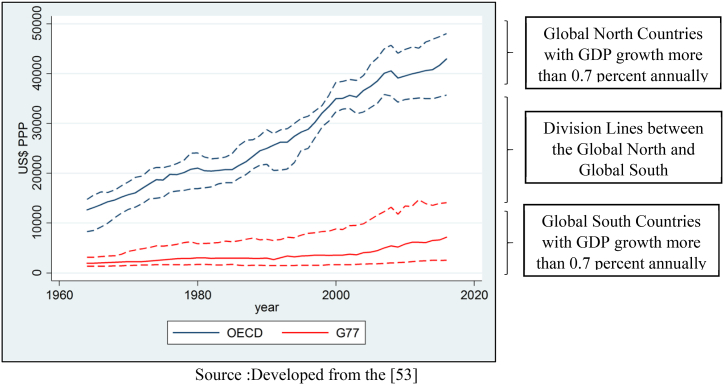
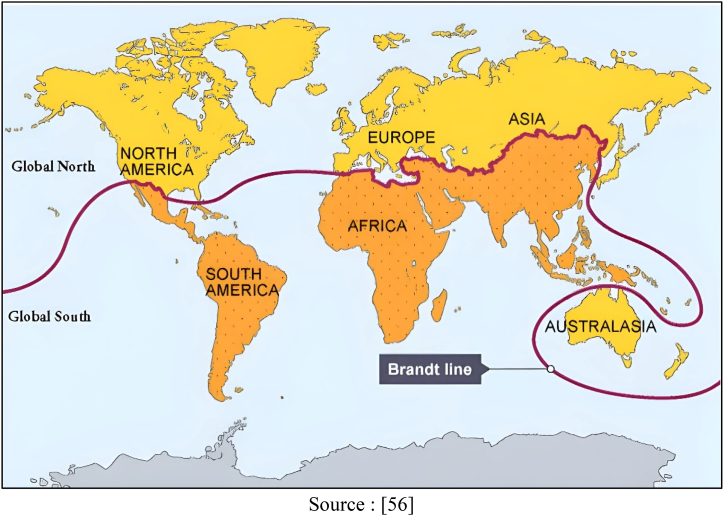
The analysis of the #digitalnomad conversation network reveals several key findings: influential users, identified through betweenness centrality, significantly shape the discourse, with @thenomadeconomy, @socialhackettes, @francismarkme, @tdg_bnb, and @ryanbiddulph emerging as primary opinion leaders. Migration patterns show a predominant flow from "Global North" to "Global South" countries, with popular destinations including Bali, Phuket, and Madrid, contrasting with traditional migration theories emphasizing south-to-north movement. Sentiment analysis indicates a predominantly positive attitude towards digital nomadism, with 1662 positive mentions compared to 383 negative ones. These insights underscore the evolving nature of digital nomadism and highlight the significant influence of social media in driving migration trends and shaping perceptions.
this study utilizing Social Network Analysis (SNA) identifies influential users shaping the discourse around the digital nomad phenomenon, revealing migration patterns from "Global North" to "Global South" countries contrary to traditional theories. The sentiment analysis reflects a predominantly positive attitude towards digital nomadism, underscoring the significant influence of social media in driving migration trends and shaping perceptions.
本研究聚焦于识别数字游民现象的特征,该现象如今正日益普遍。本研究旨在弥合数字游民数据分析结果(从社会的移动方向、反应和情绪方面)与现有移民理论之间的差距。
本研究采用定性方法,运用社会网络分析(SNA)进行定性分析,以计算2019年4月至10月期间从X平台收集的1394条推文的中介中心性,当时该现象在众多平台上是热门话题。分析使用了NodeXL和Gephi等软件工具。
对#数字游民对话网络的分析揭示了几个关键发现:通过中介中心性识别出的有影响力用户显著塑造了话语,@thenomadeconomy、@socialhackettes、@francismarkme、@tdg_bnb和@ryanbiddulph成为主要意见领袖。移民模式显示,主要是从“全球北方”国家流向“全球南方”国家,热门目的地包括巴厘岛、普吉岛和马德里,这与强调从南向北移动的传统移民理论形成对比。情感分析表明,对数字游民现象的态度主要是积极的,积极提及有1662次,而消极提及有383次。这些见解强调了数字游民现象的不断演变的性质,并突出了社交媒体在推动移民趋势和塑造认知方面的重大影响。
本研究利用社会网络分析(SNA)识别出塑造数字游民现象相关话语的有影响力用户,揭示了与传统理论相反的从“全球北方”国家到“全球南方”国家的移民模式。情感分析反映了对数字游民现象的主要积极态度,强调了社交媒体在推动移民趋势和塑造认知方面的重大影响。