University of Colorado Anschutz Medical Campus, Aurora, CO, USA.
School of Biological Sciences, Cold Spring Harbor Laboratory, Cold Spring Harbor, NY, USA; Simons Center for Quantitative Biology, Cold Spring Harbor Laboratory, Cold Spring Harbor, NY, USA.
Cell Rep. 2024 Sep 24;43(9):114705. doi: 10.1016/j.celrep.2024.114705. Epub 2024 Sep 10.
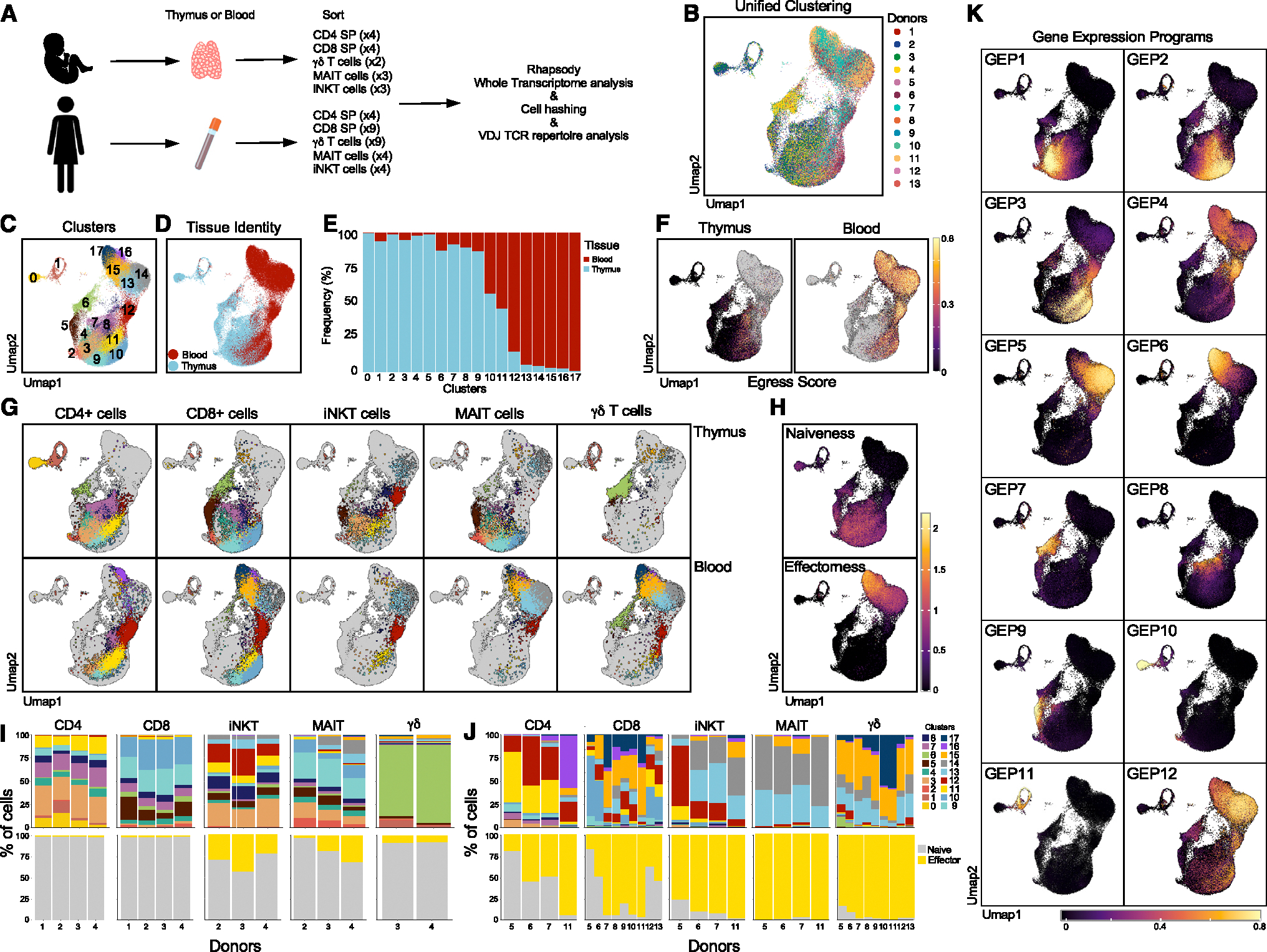
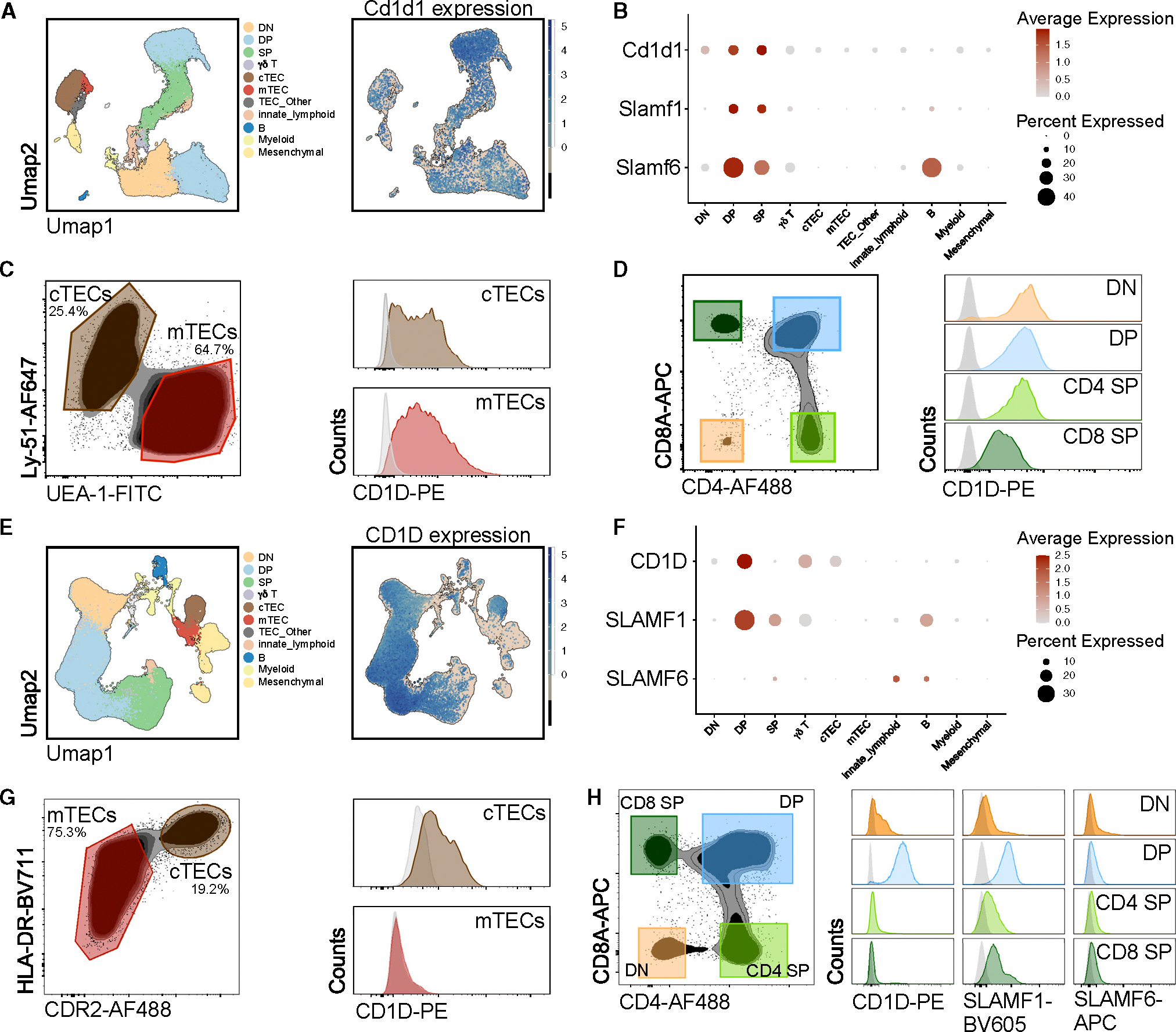
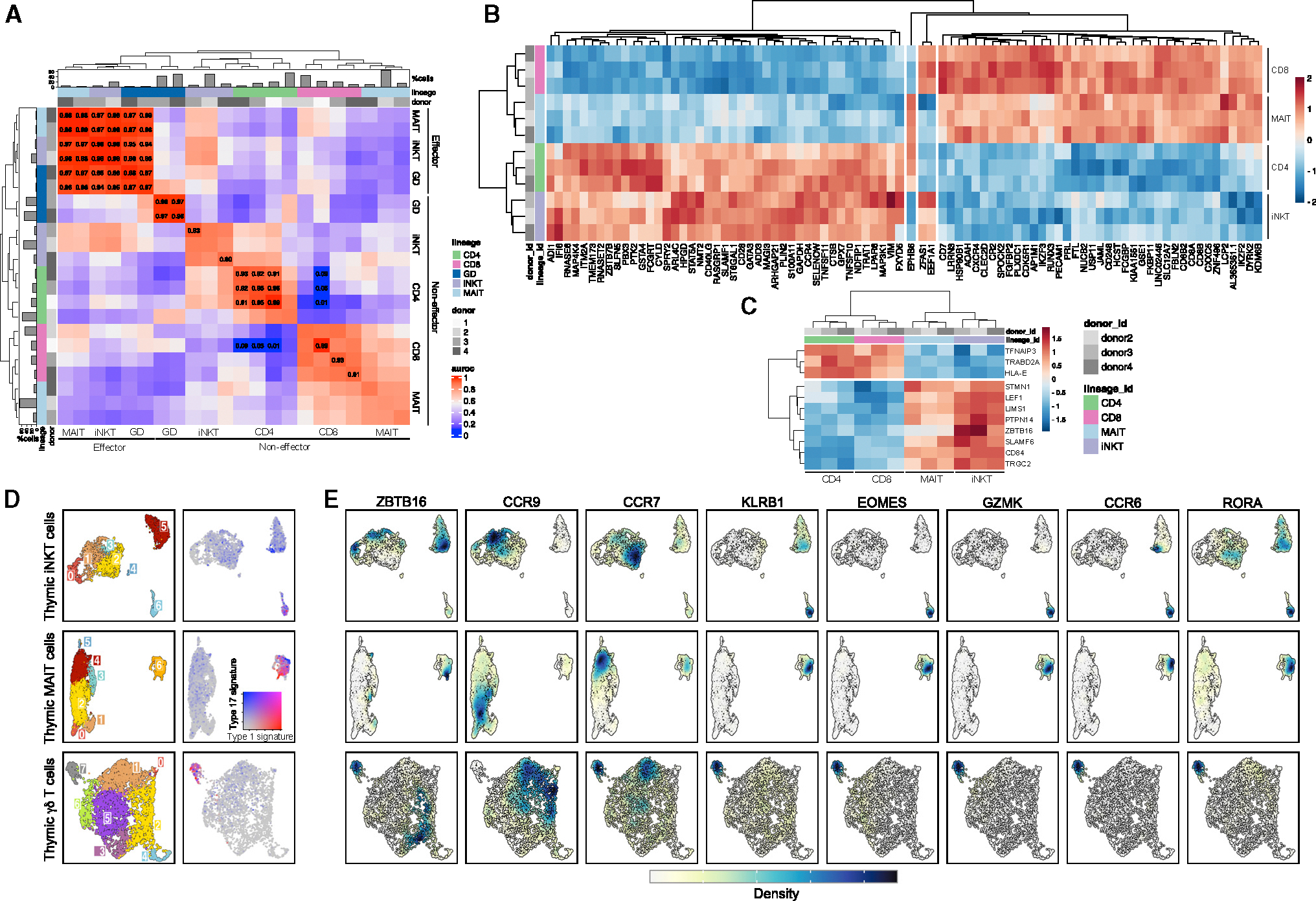
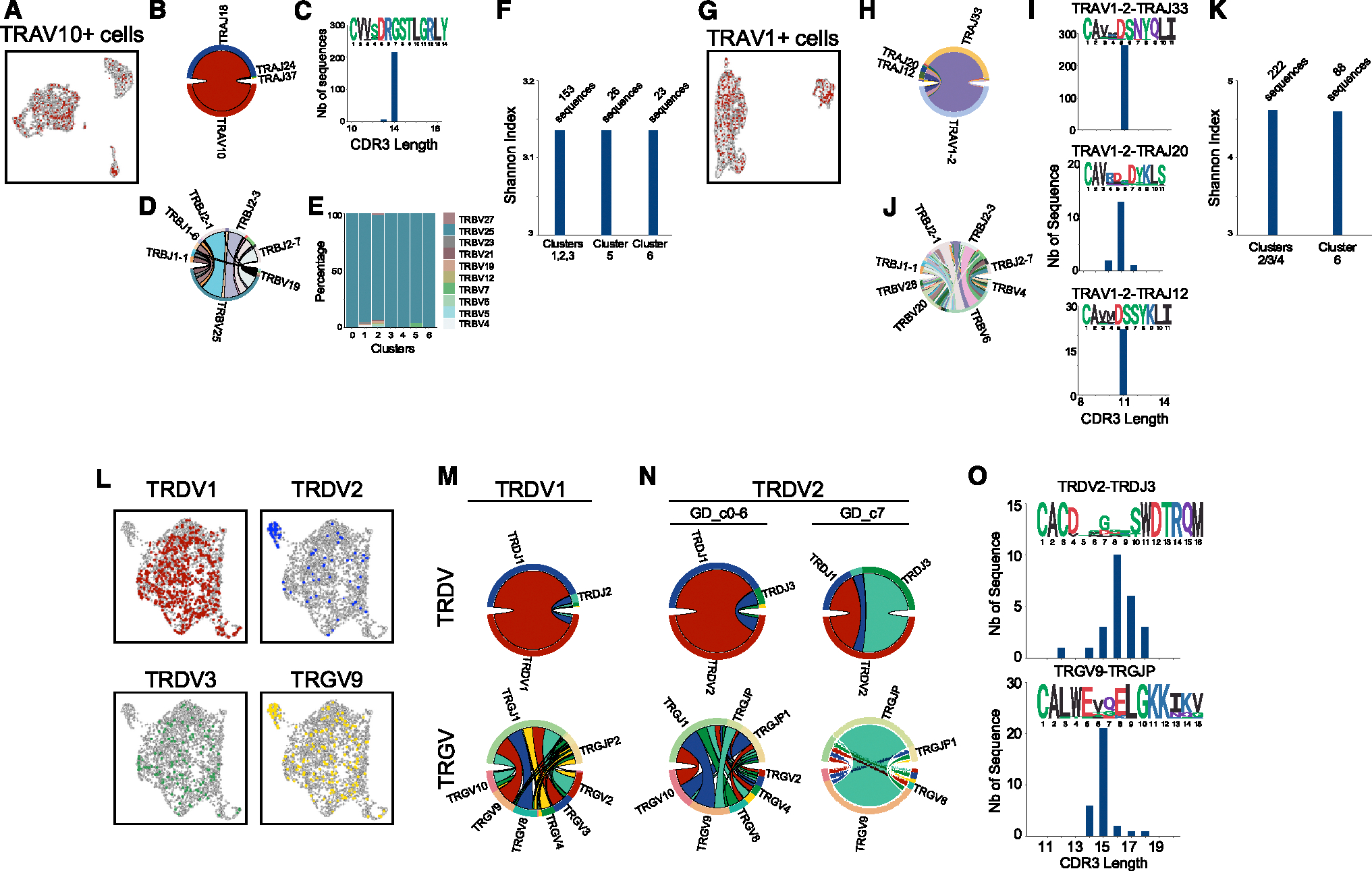
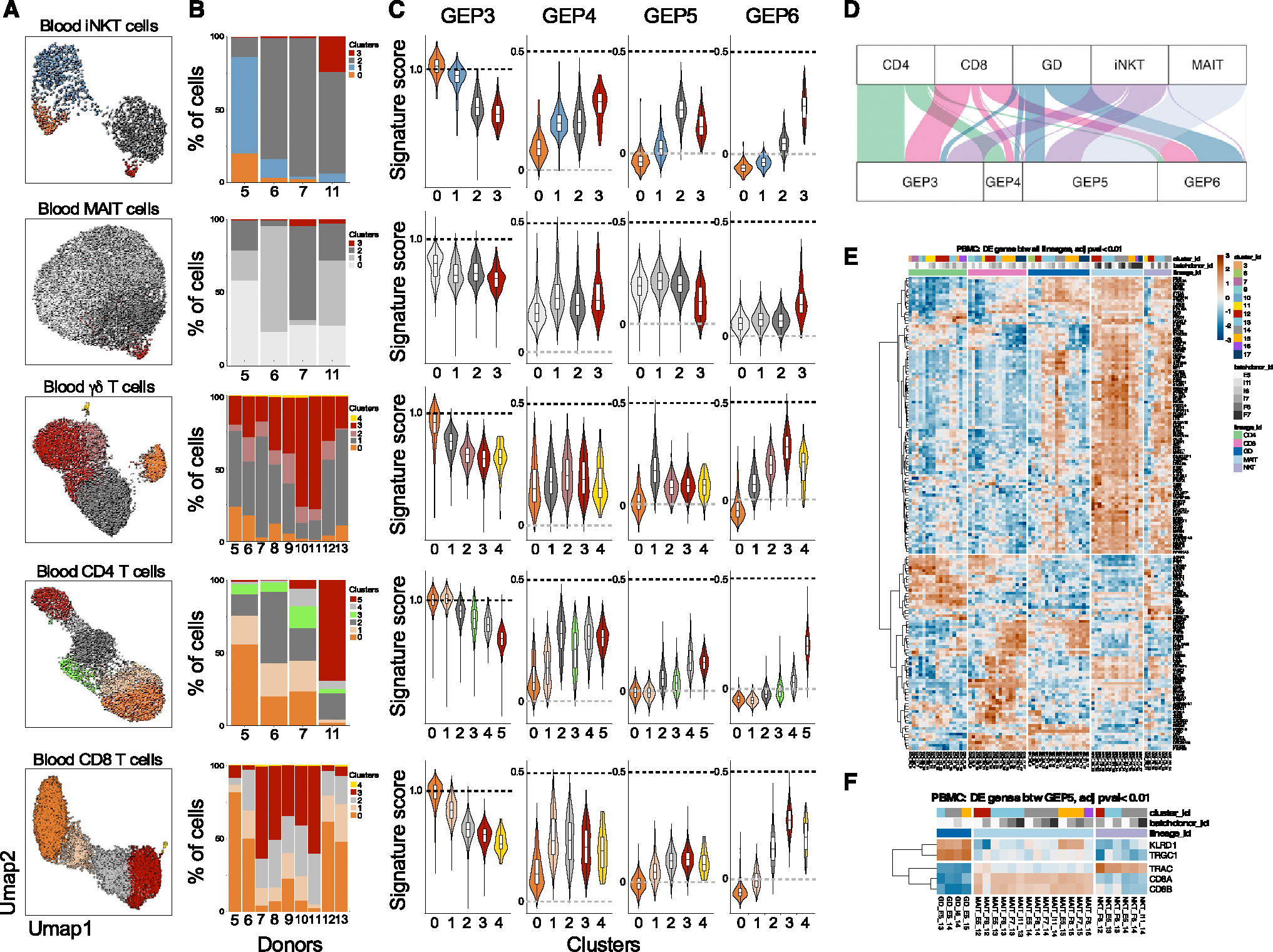
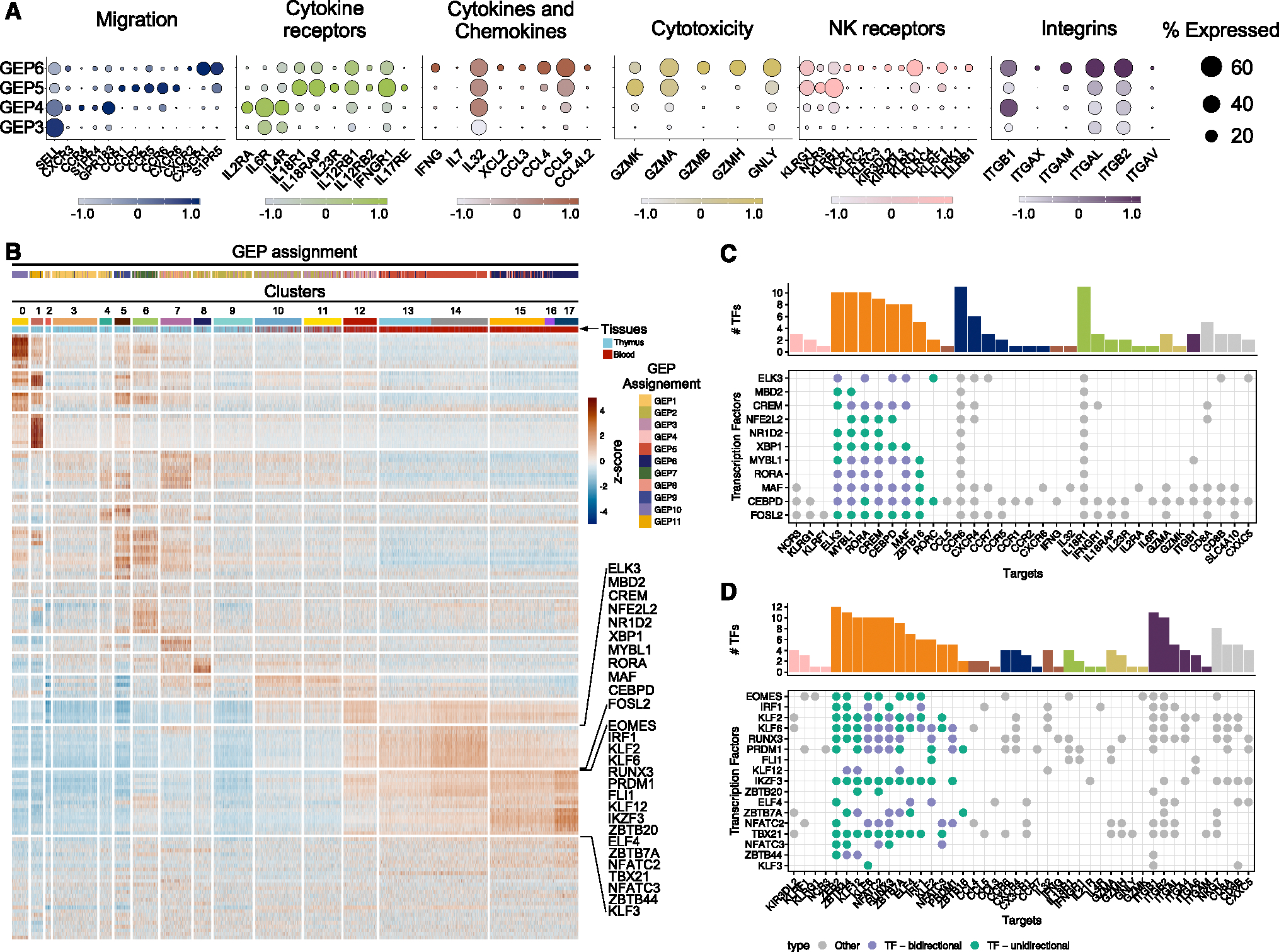
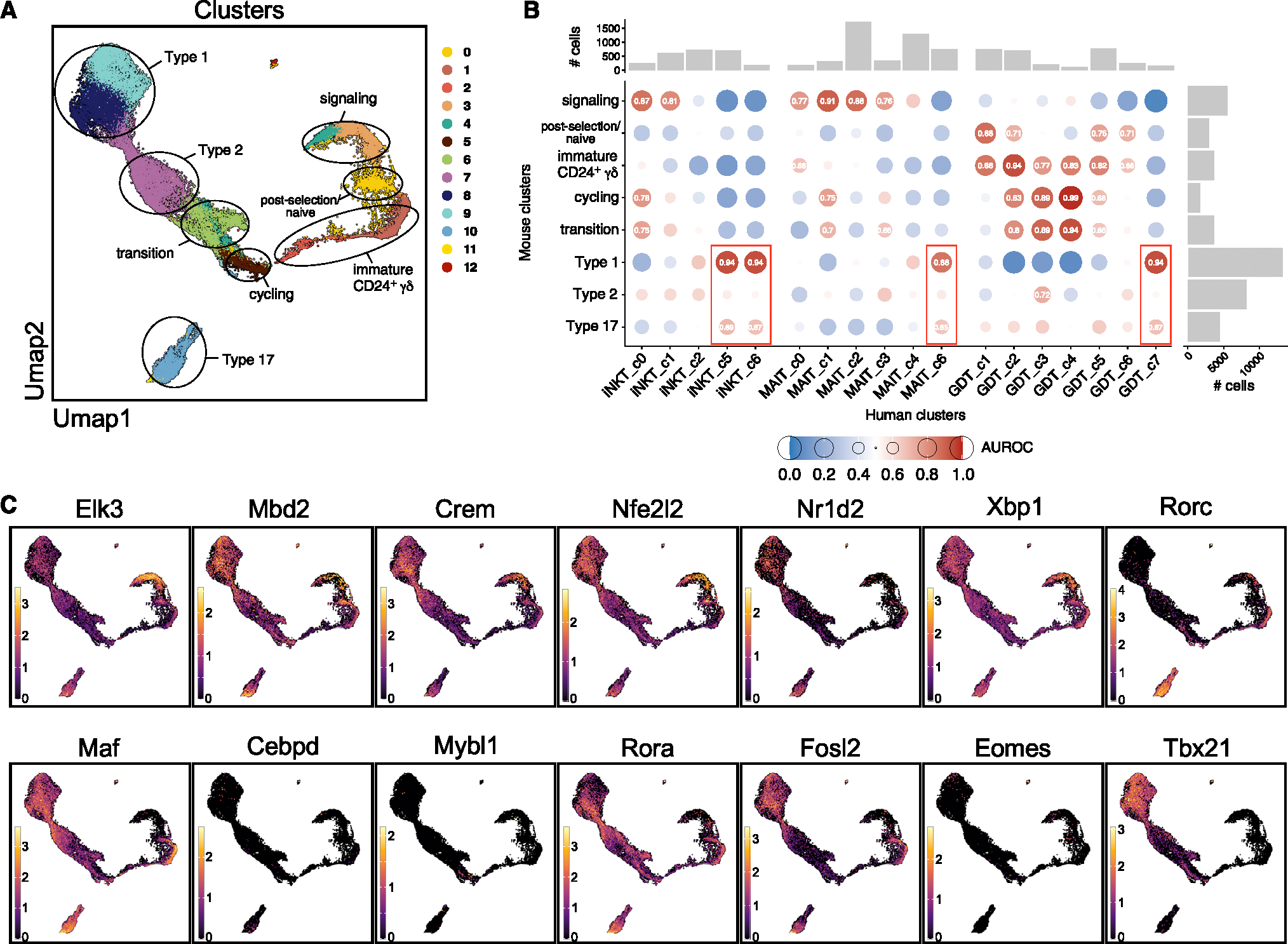
The "innate-like" T cell compartment, known as T, represents a diverse group of T cells that straddle the boundary between innate and adaptive immunity. We explore the transcriptional landscape of T compared to conventional T cells (T) in the human thymus and blood using single-cell RNA sequencing (scRNA-seq) and flow cytometry. In human blood, the majority of T cells share an effector program driven by specific transcription factors, distinct from those governing T cells. Conversely, only a fraction of thymic T cells displays an effector phenotype, while others share transcriptional features with developing T cells, indicating potential divergent developmental pathways. Unlike the mouse, human T cells do not differentiate into multiple effector subsets but develop a mixed type 1/type 17 effector potential. Cross-species analysis uncovers species-specific distinctions, including the absence of type 2 T cells in humans, which implies distinct immune regulatory mechanisms across species.
“先天样”T 细胞群,即 T 细胞,代表了一类多样化的 T 细胞,它们位于先天免疫和适应性免疫之间的边界上。我们使用单细胞 RNA 测序(scRNA-seq)和流式细胞术,探索了人类胸腺和血液中的 T 细胞与传统 T 细胞(T 细胞)相比的转录组景观。在人类血液中,大多数 T 细胞具有由特定转录因子驱动的效应器程序,与 T 细胞不同。相反,只有一部分胸腺 T 细胞表现出效应器表型,而其他细胞则与正在发育的 T 细胞具有转录特征,表明潜在的不同发育途径。与小鼠不同,人类 T 细胞不会分化为多个效应细胞亚群,而是发展出一种混合的 1 型/17 型效应器潜能。种间分析揭示了种间特异性差异,包括人类中不存在 2 型 T 细胞,这意味着不同物种之间存在独特的免疫调节机制。