Department of Neurobiology and Acupuncture Research, The Third Clinical Medical College, Key Laboratory of Acupuncture and Neurology of Zhejiang Province, Zhejiang Chinese Medical University, Hangzhou, China.
Department of Rehabilitation in Traditional Chinese Medicine, the Second Affiliated Hospital of Zhejiang University School of Medicine, Hangzhou, China.
Theranostics. 2024 Aug 19;14(13):5281-5302. doi: 10.7150/thno.97856. eCollection 2024.
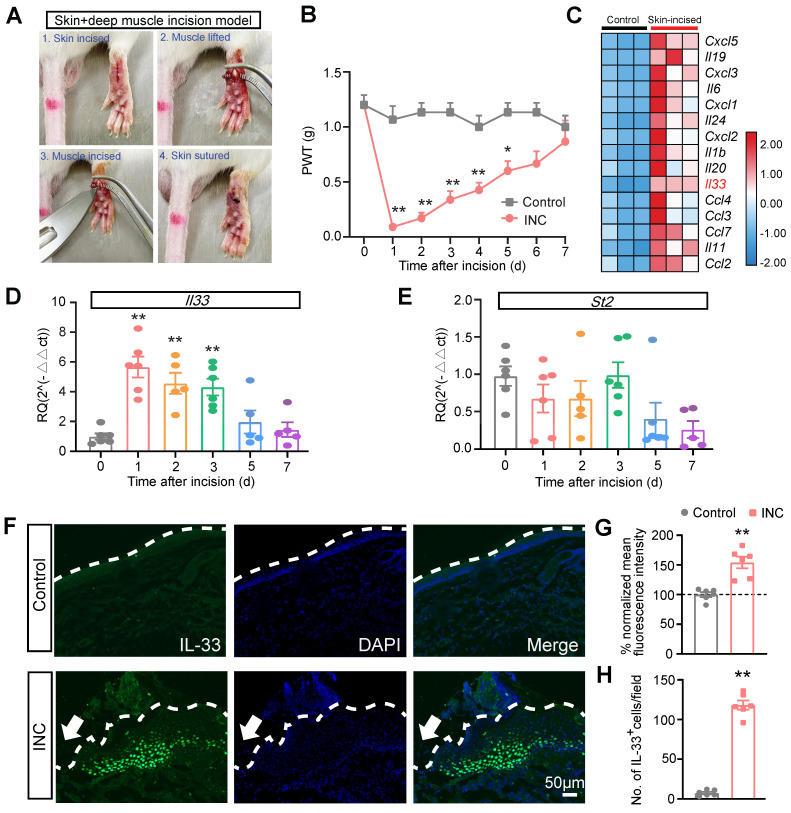
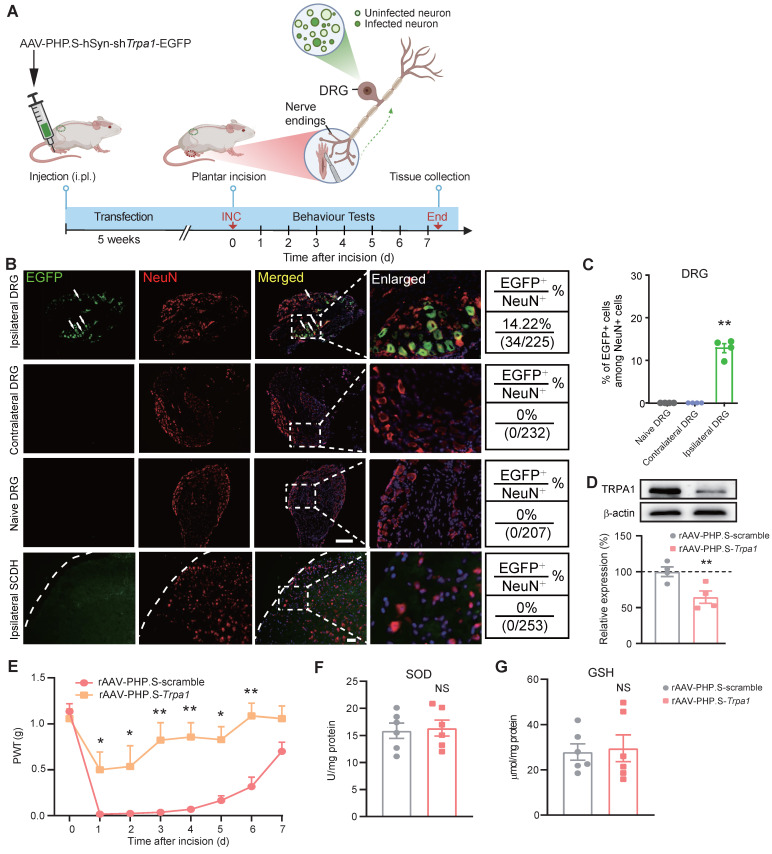
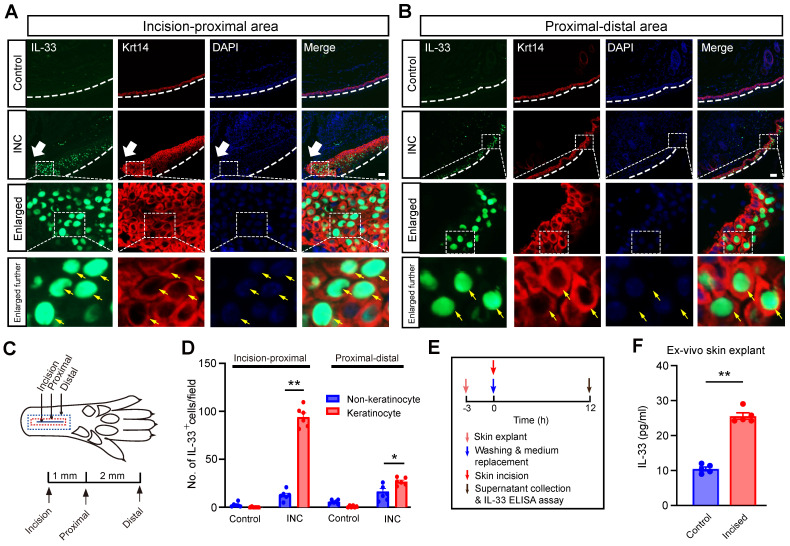
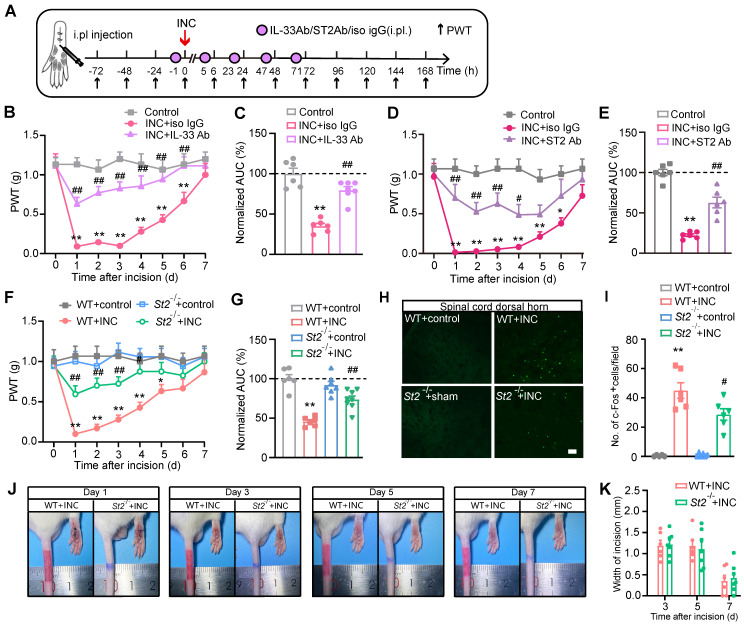
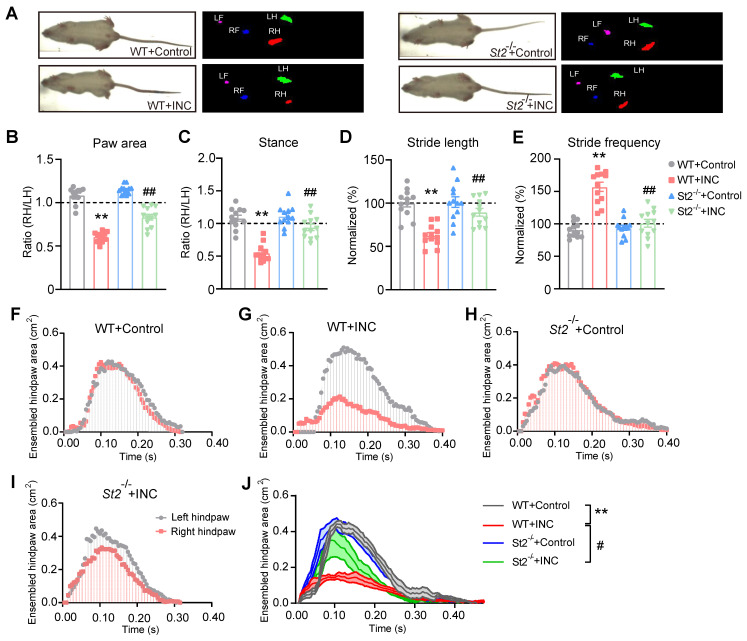
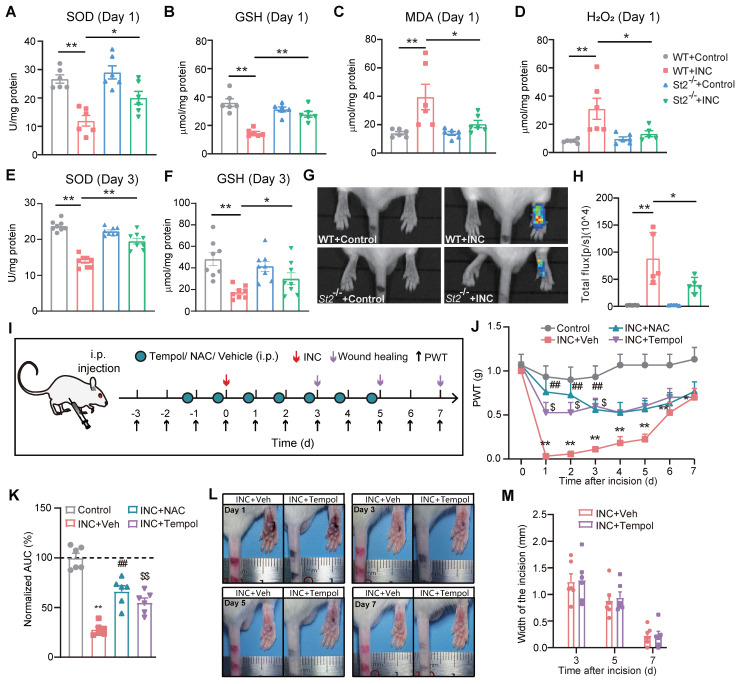
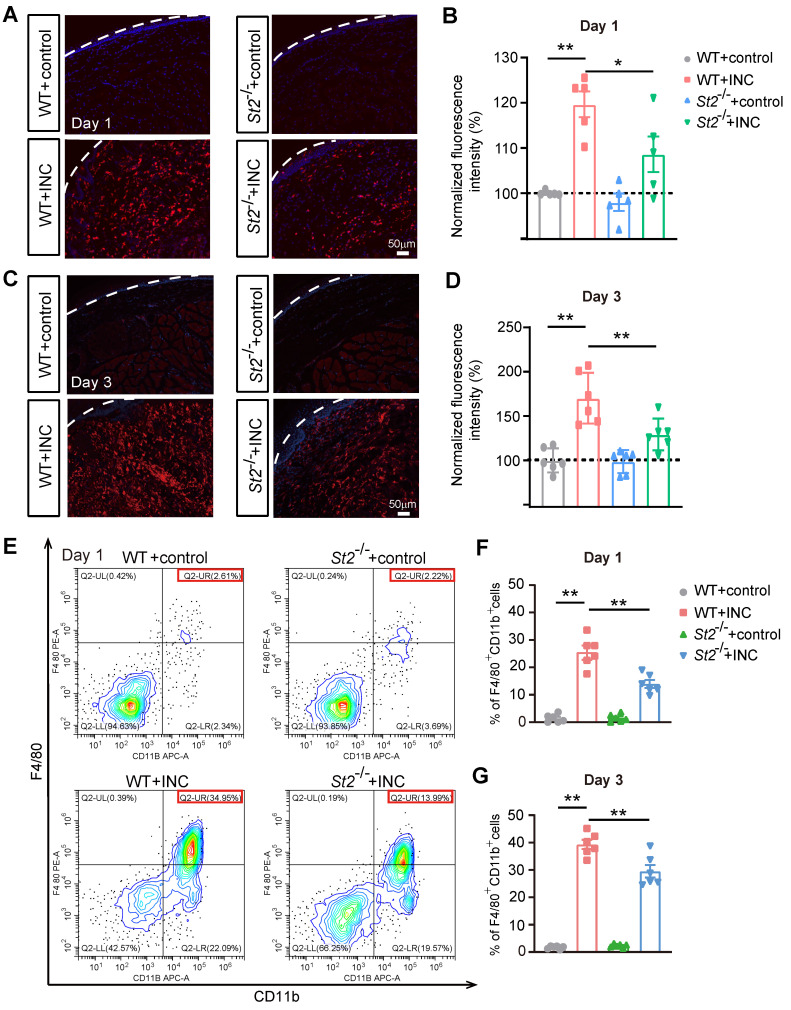
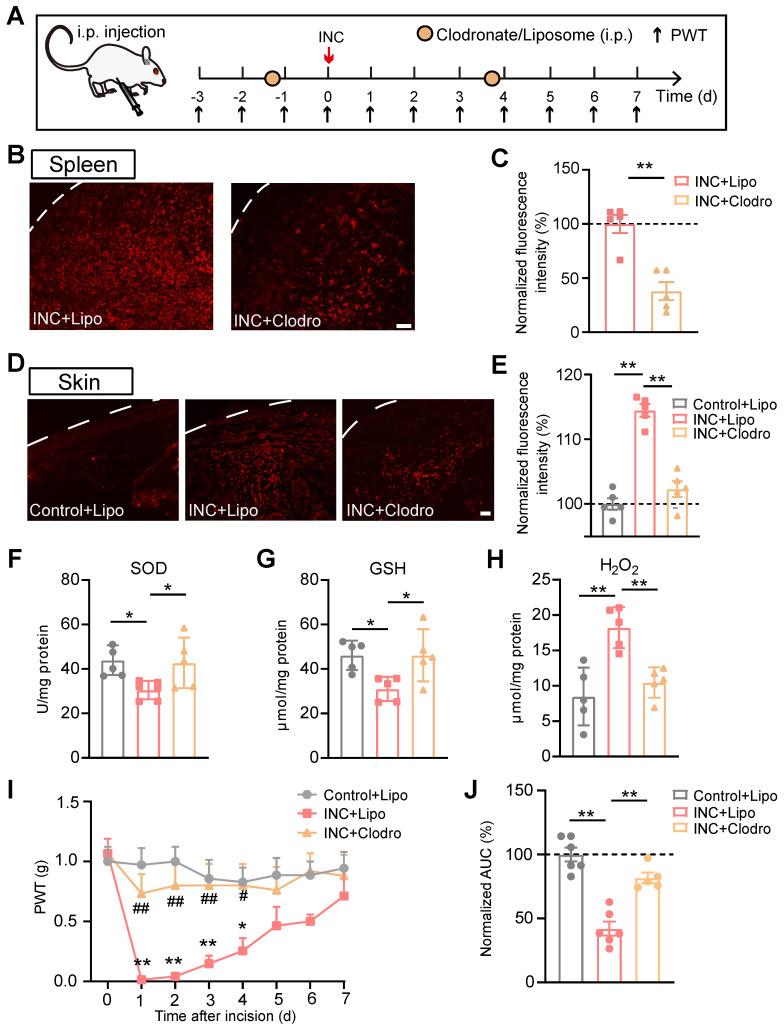
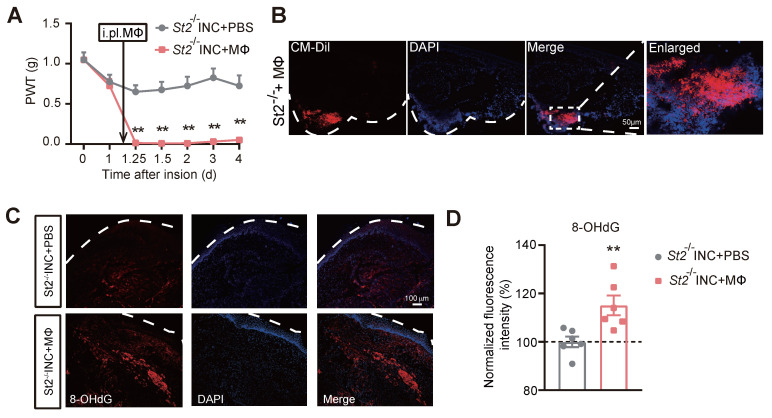
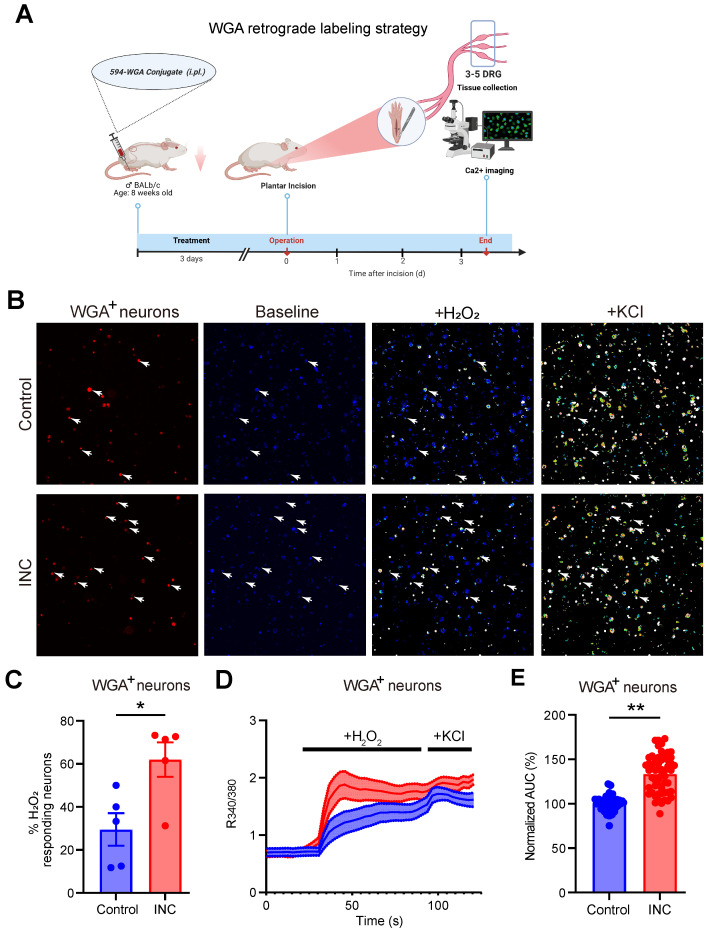
Insufficiently managed incisional (INC) pain severely affects patients' life quality and rehabilitation after a major operation. However, mechanisms underlying INC pain still remain poorly understood. A mouse model of INC pain was established by skin plus deep muscle incision. Biochemistry assay, reactive oxygen species (ROS) imaging, Ca imaging combined with retrograde labelling, neuron tracing and nocifensive behavior test, etc. were utilized for mechanism investigation. We found pro-nociceptive cytokine interleukin -33 (IL-33) ranked among top up-regulated cytokines in incised tissues of INC pain model mice. IL-33 was predominantly expressed in keratinocytes around the incisional area. Neutralization of IL-33 or its receptor suppression of tumorigenicity 2 protein (ST2) or genetic deletion of gene ( ) remarkably ameliorated mechanical allodynia and improved gait impairments of model mice. IL-33 contributes to INC pain by recruiting macrophages, which subsequently release ROS in incised tissues via ST2-dependent mechanism. Transfer of excessive macrophages enhanced oxidative injury and reproduced mechanical allodynia in mice upon tissue incision. Overproduced ROS subsequently activated functionally up-regulated transient receptor potential ankyrin subtype-1 (TRPA1) channel innervating the incisional site to produce mechanical allodynia. Neither deleting nor attenuating ROS affected wound healing of model mice. Our work uncovered a previously unrecognized contribution of IL-33/ST2 signaling in mediating mechanical allodynia and gait impairment of a mouse model of INC pain. Targeting IL-33/ST2 signaling could be a novel therapeutic approach for INC pain management.
切口(INC)疼痛管理不足会严重影响大手术后患者的生活质量和康复。然而,INC 疼痛的机制仍知之甚少。通过皮肤加深部肌肉切口建立了 INC 疼痛的小鼠模型。利用生物化学测定、活性氧(ROS)成像、钙成像结合逆行标记、神经元追踪和伤害性行为测试等方法进行机制研究。我们发现促伤害性细胞因子白细胞介素-33(IL-33)在 INC 疼痛模型小鼠切口组织中上调的细胞因子中排名最高。IL-33主要在切口区域周围的角质形成细胞中表达。中和 IL-33 或其受体抑制肿瘤发生 2 蛋白(ST2)或基因缺失( )显著改善了模型小鼠的机械性痛觉过敏和步态障碍。IL-33 通过募集巨噬细胞促进 INC 疼痛,随后巨噬细胞通过 ST2 依赖性机制在切口组织中释放 ROS。过度转移的巨噬细胞增强了氧化损伤,并在组织切口后复制了 小鼠的机械性痛觉过敏。随后产生的 ROS 激活功能上调的瞬时受体电位锚蛋白亚型-1(TRPA1)通道,从而产生机械性痛觉过敏。删除 或减弱 ROS 均不影响模型小鼠的伤口愈合。我们的工作揭示了 IL-33/ST2 信号在介导 INC 疼痛小鼠模型的机械性痛觉过敏和步态障碍中的先前未被认识的作用。靶向 IL-33/ST2 信号可能是 INC 疼痛管理的一种新的治疗方法。