Department of Health Informatics, Graduate School of Informatics, Middle East Technical University, 06800 Ankara, Türkiye.
Institute for Computational Biomedicine, Faculty of Medicine, Heidelberg University Hospital, Heidelberg University, Bioquant, 69117 Heidelberg, Germany.
Int J Mol Sci. 2024 Aug 29;25(17):9392. doi: 10.3390/ijms25179392.
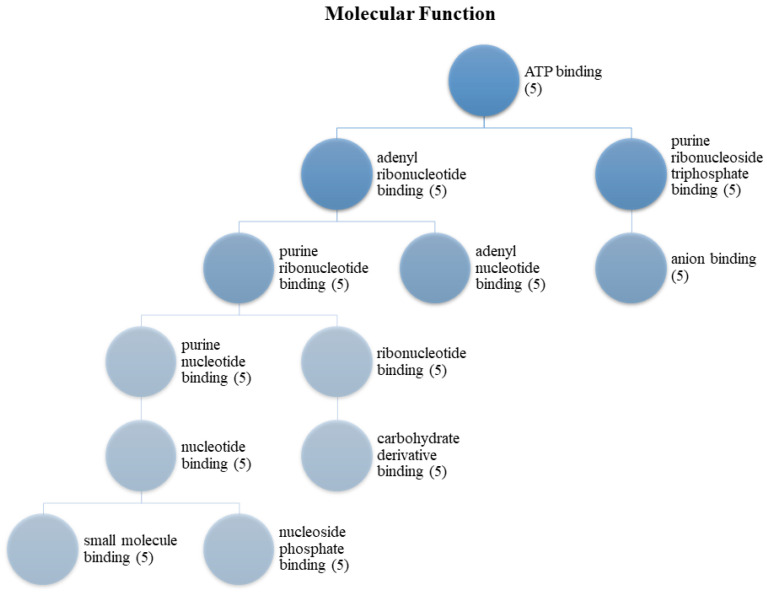
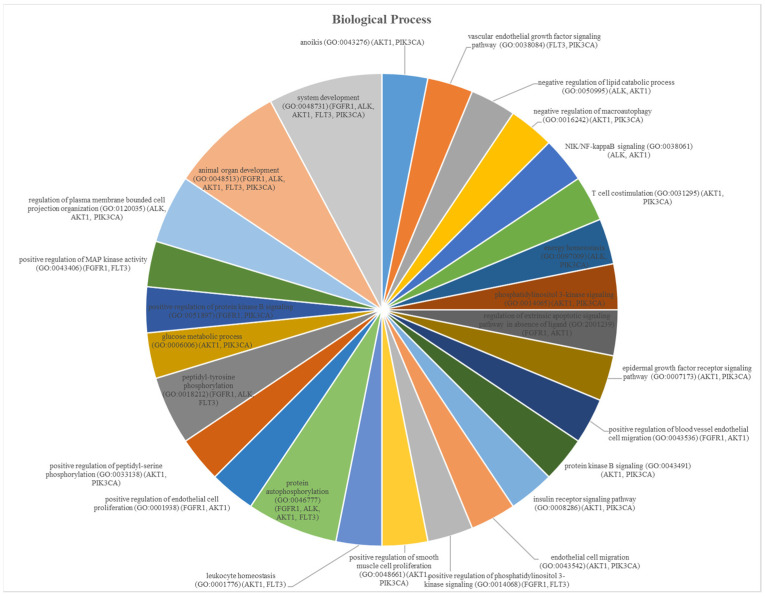
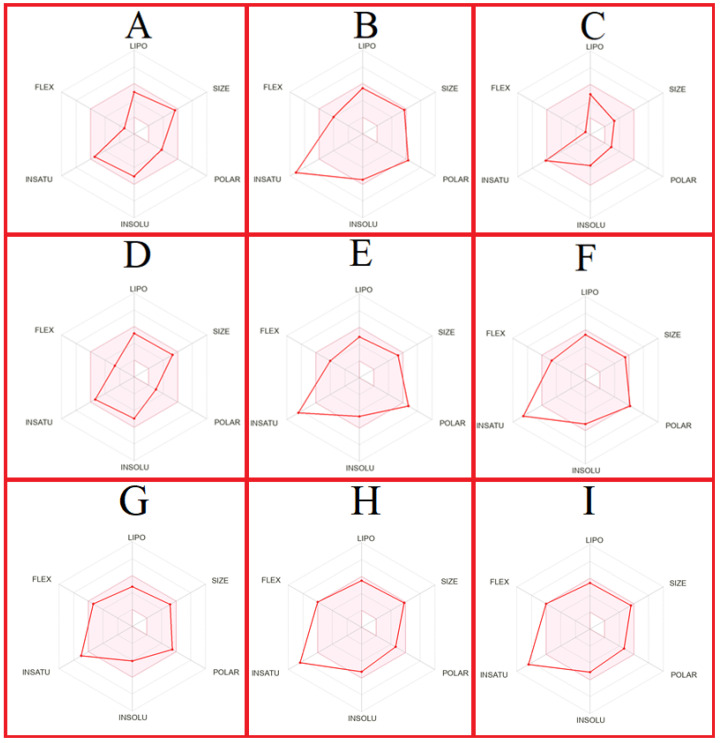
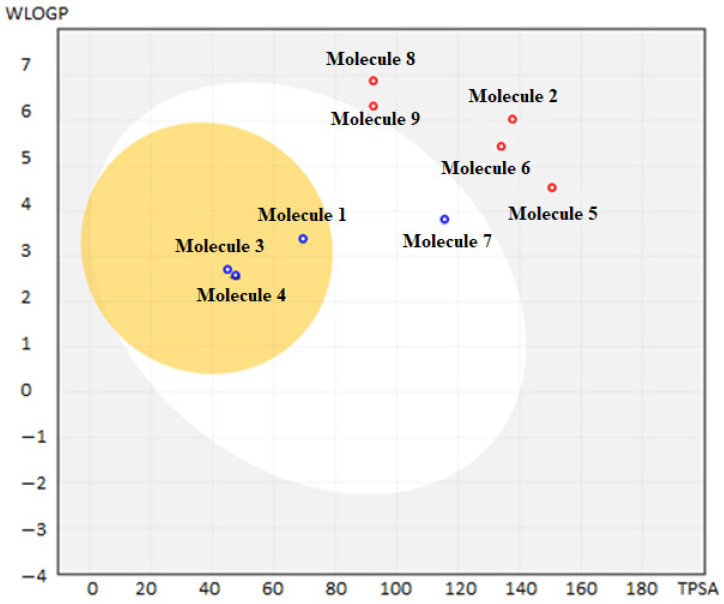
Hepatocellular carcinoma (HCC) is the most prevalent primary liver cancer, with a high mortality rate due to the limited therapeutic options. Systemic drug treatments improve the patient's life expectancy by only a few months. Furthermore, the development of novel small molecule chemotherapeutics is time-consuming and costly. Drug repurposing has been a successful strategy for identifying and utilizing new therapeutic options for diseases with limited treatment options. This study aims to identify candidate drug molecules for HCC treatment through repurposing existing compounds, leveraging the machine learning tool MDeePred. The Open Targets Platform, UniProt, ChEMBL, and Expasy databases were used to create a dataset for drug target interaction (DTI) predictions by MDeePred. Enrichment analyses of DTIs were conducted, leading to the selection of 6 out of 380 DTIs identified by MDeePred for further analyses. The physicochemical properties, lipophilicity, water solubility, drug-likeness, and medicinal chemistry properties of the candidate compounds and approved drugs for advanced stage HCC (lenvatinib, regorafenib, and sorafenib) were analyzed in detail. Drug candidates exhibited drug-like properties and demonstrated significant target docking properties. Our findings indicated the binding efficacy of the selected drug compounds to their designated targets associated with HCC. In conclusion, we identified small molecules that can be further exploited experimentally in HCC therapeutics. Our study also demonstrated the use of the MDeePred deep learning tool in in silico drug repurposing efforts for cancer therapeutics.
肝细胞癌 (HCC) 是最常见的原发性肝癌,由于治疗选择有限,死亡率很高。系统药物治疗只能将患者的预期寿命延长几个月。此外,新型小分子化疗药物的开发既耗时又昂贵。药物再利用是一种成功的策略,可以为治疗选择有限的疾病寻找和利用新的治疗方法。本研究旨在通过重新利用现有化合物,利用机器学习工具 MDeePred,为 HCC 治疗确定候选药物分子。Open Targets 平台、UniProt、ChEMBL 和 Expasy 数据库用于创建用于 MDeePred 进行药物靶标相互作用 (DTI) 预测的数据集。对 DTI 进行了富集分析,从而选择了 MDeePred 鉴定的 380 个 DTI 中的 6 个进行进一步分析。对候选化合物和晚期 HCC 的已批准药物(仑伐替尼、瑞戈非尼和索拉非尼)的候选化合物和已批准药物的理化性质、脂溶性、水溶性、类药性和药物化学性质进行了详细分析。候选药物表现出类药性,并表现出显著的靶标对接特性。我们的研究结果表明,所选药物化合物与 HCC 相关的指定靶标具有结合效力。总之,我们确定了可在 HCC 治疗中进一步实验探索的小分子。我们的研究还证明了 MDeePred 深度学习工具在癌症治疗中的计算药物再利用中的应用。