Albayrak Zafer Emre, Kurnaz Cetin, Karadag Teoman, Cheema Adnan Ahmad
Mechanical, Electrical, and Lighting Branch, Department of Public Works, Samsun Metropolitan Municipality, Samsun 55200, Türkiye.
Department of Electrical and Electronic Engineering, Ondokuz Mayıs University, Samsun 55139, Türkiye.
Sensors (Basel). 2024 Aug 30;24(17):5634. doi: 10.3390/s24175634.
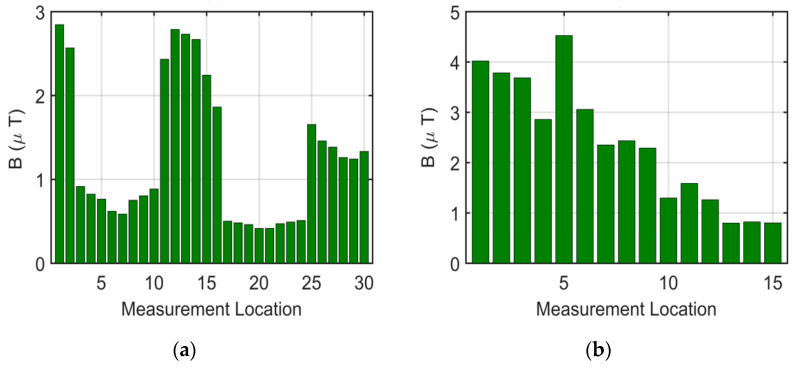
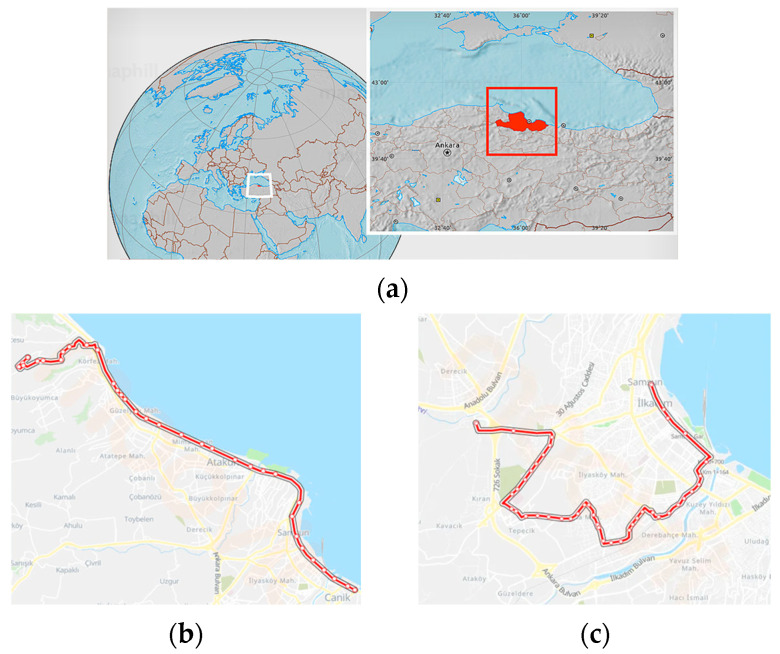
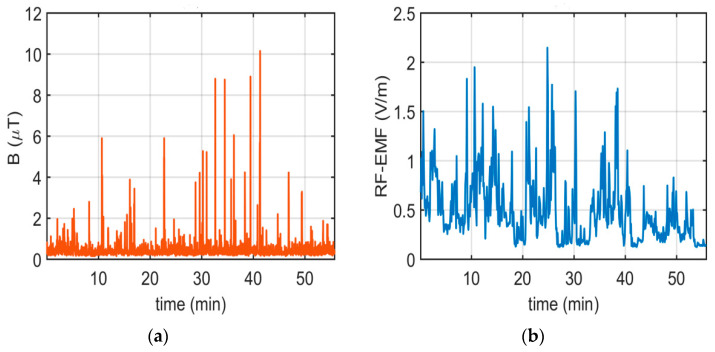
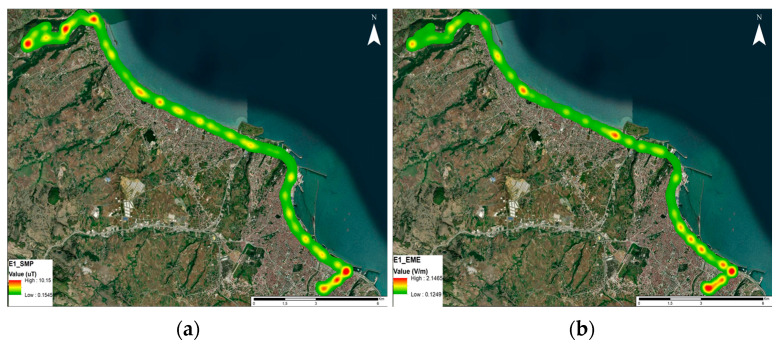
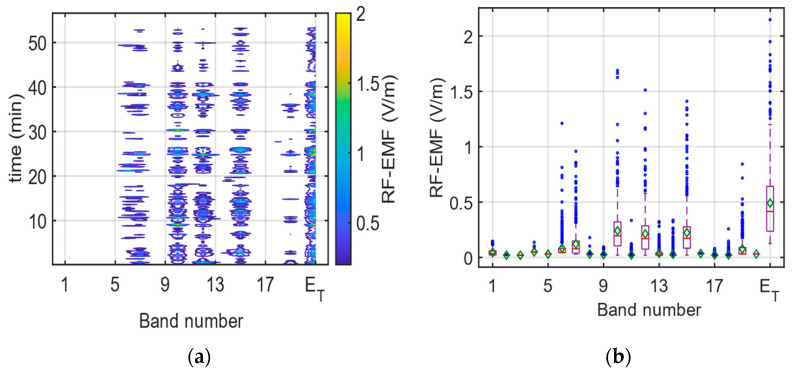
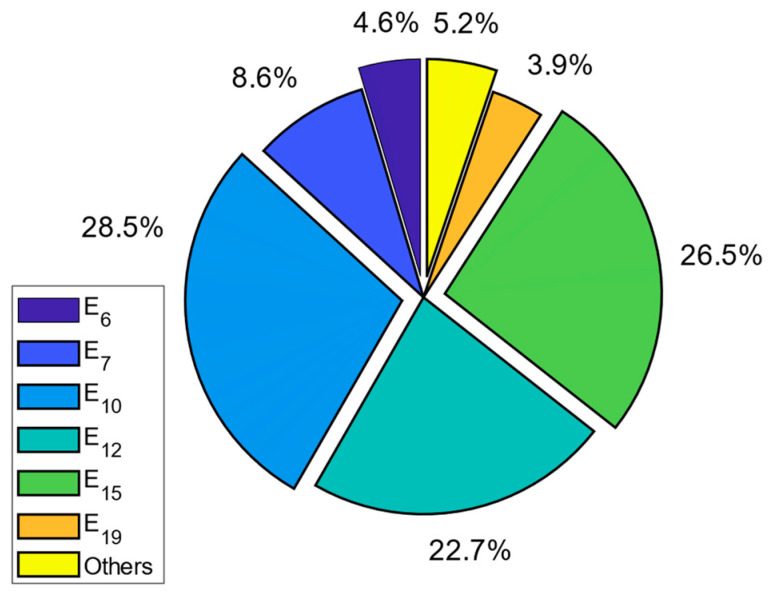
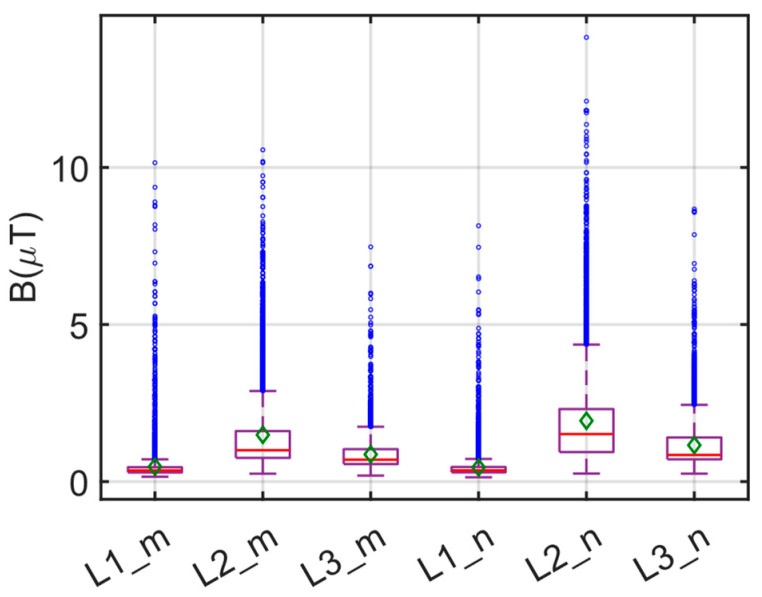
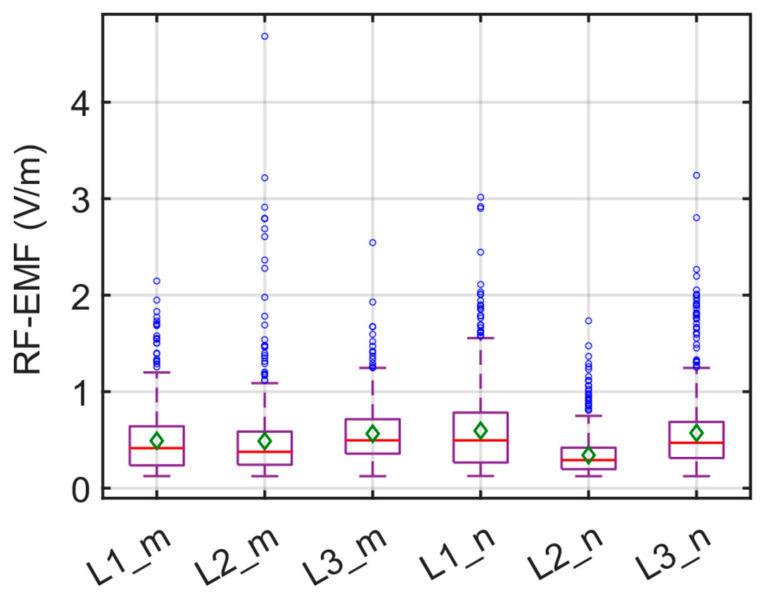
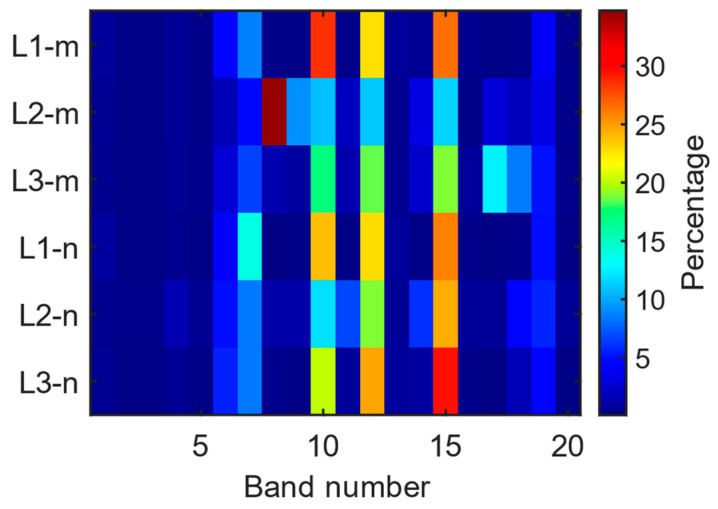
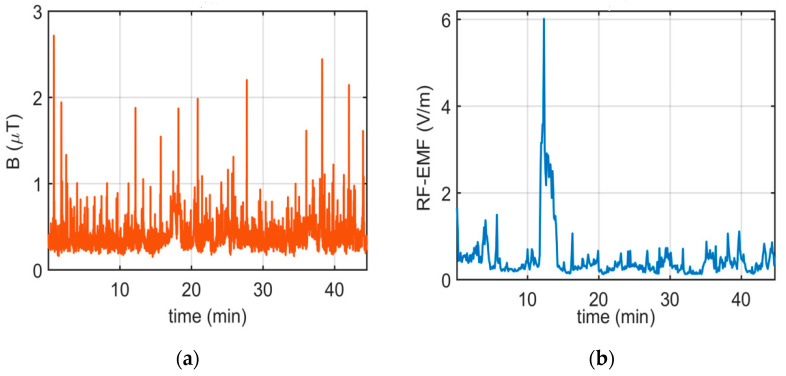
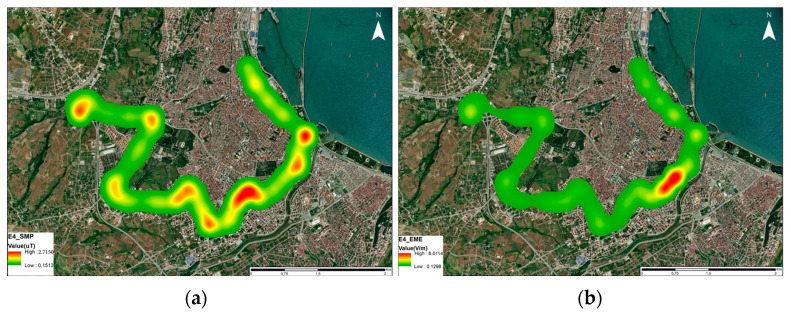
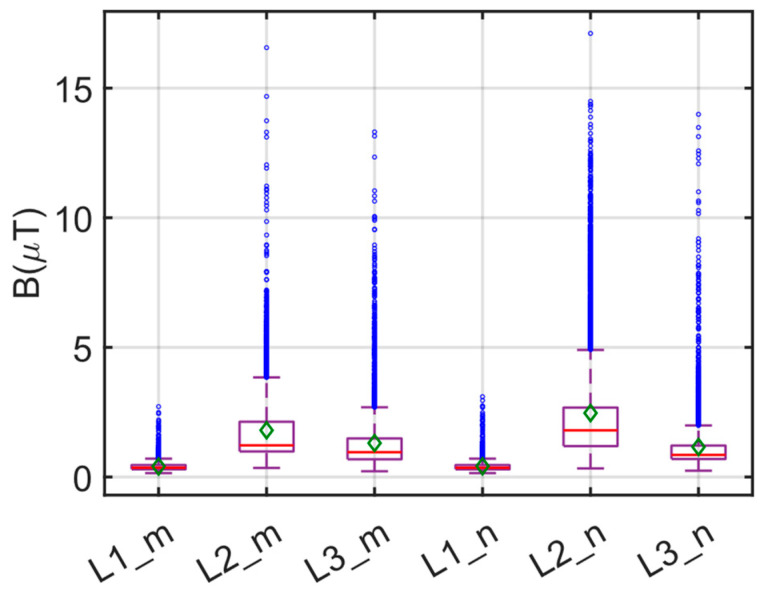
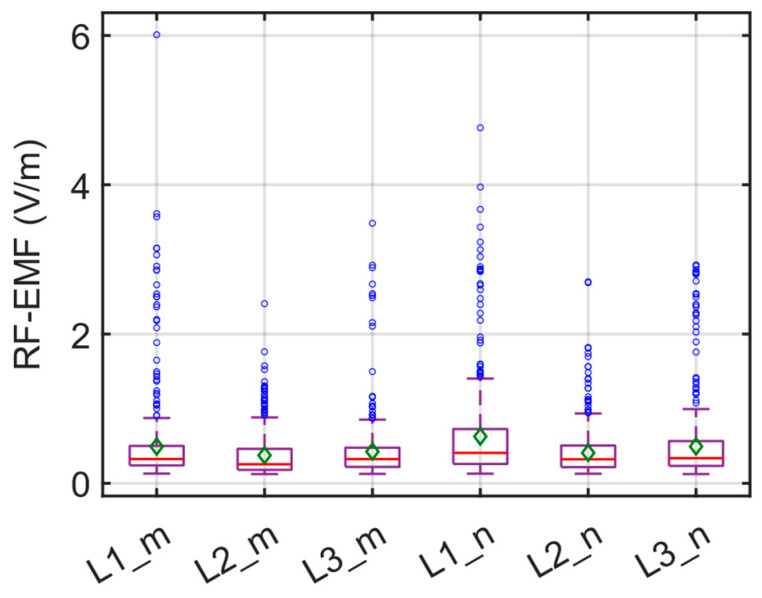
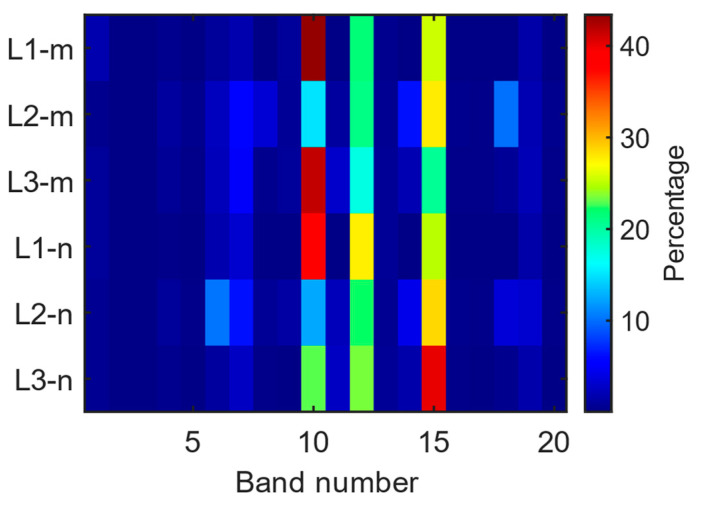
This study investigates magnetic flux density (B) and radiofrequency electromagnetic field (RF-EMF) measurements on electric buses operating in Samsun, Turkey, focusing on two bus routes (called E1 and E4) during the morning and evening hours. Measurements were taken under diverse operational conditions, including acceleration, cruising, and braking, at locations of peak passenger density. Along the E1 route, the magnetic field intensity varied significantly based on the bus position, road slope, and passenger load, with notable increases during braking. In contrast, the E4 route showed a lower magnetic field intensity and RF-EMF values due to its straighter trajectory and reduced operational stops. The highest RF-EMF measurement recorded was 6.01 V/m, which is below the maximum levels established by the ICNIRP guidelines. In 11 out of the 12 different band-selective RF-EMF measurements, the highest contribution came from the downlink band of the base stations, while in only one measurement, the highest contribution originated from the uplink bands of the base stations. All data were subject to the Anderson-Darling test, confirming the generalized extreme value distribution as the best fit for both B and RF-EMF measurements. Additionally, the study assessed B levels inside and outside the bus during charging, revealing heightened readings near the pantograph. These findings significantly contribute to our understanding of electromagnetic field exposure in electric bus environments, highlighting potential health implications and informing the development of targeted mitigation strategies.
本研究调查了在土耳其萨姆松运营的电动公交车上的磁通密度(B)和射频电磁场(RF - EMF),重点关注了两条公交线路(称为E1和E4)在早晚高峰时段的情况。在不同的运行条件下进行了测量,包括加速、巡航和制动,测量地点为乘客密度高峰处。沿着E1线路,磁场强度根据公交车位置、道路坡度和乘客负载有显著变化,在制动时显著增加。相比之下,E4线路由于其轨迹更直且运营站点减少,显示出较低的磁场强度和RF - EMF值。记录到的最高RF - EMF测量值为6.01 V/m,低于国际非电离辐射防护委员会(ICNIRP)指南规定的最高水平。在12次不同的频段选择性RF - EMF测量中,有11次最高贡献来自基站的下行链路频段,而只有一次测量中,最高贡献来自基站的上行链路频段。所有数据都经过了安德森 - 达林检验,证实广义极值分布最适合B和RF - EMF测量。此外,该研究评估了充电期间公交车内外的B水平,发现在受电弓附近读数升高。这些发现极大地有助于我们理解电动公交车环境中的电磁场暴露情况,突出了潜在的健康影响,并为制定有针对性的缓解策略提供了信息。