Department of Molecular Biosciences, The Wenner-Gren Institute, Stockholm University, Stockholm, Sweden.
Department of Biomedical and Clinical Sciences, Linköping University, Linköping, Sweden.
J Innate Immun. 2024;16(1):470-488. doi: 10.1159/000541468. Epub 2024 Sep 14.
The innate branch of the immune system is important in early life, in particular for infants born preterm.
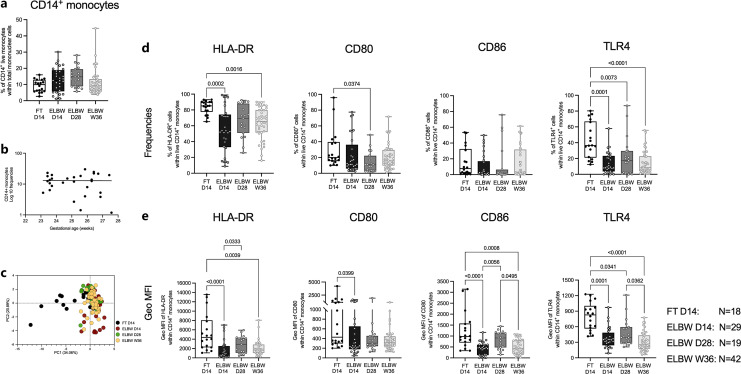
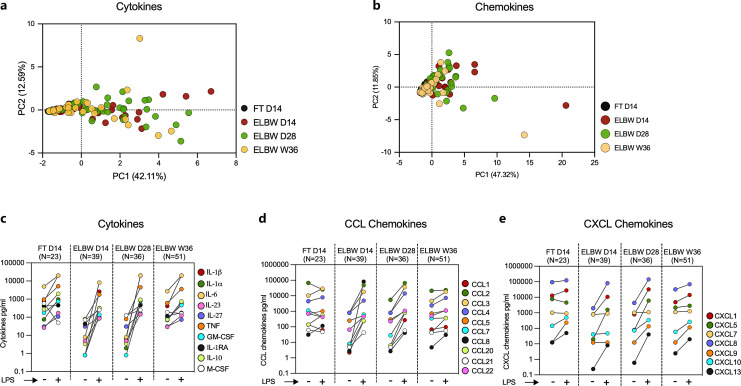
We performed a longitudinal analysis of the peripheral monocyte compartment in extremely preterm children from a randomized, placebo-controlled study of probiotic supplementation. PBMCs and fecal samples were collected at several timepoints during the first months of life. Monocyte characteristics were analyzed by flow cytometry, and LPS-stimulated PBMC culture supernatants were analyzed by Luminex or ELISA. Plasma cytokines and gut microbiota composition were analyzed by ELISA and 16S rRNA-sequencing, respectively.
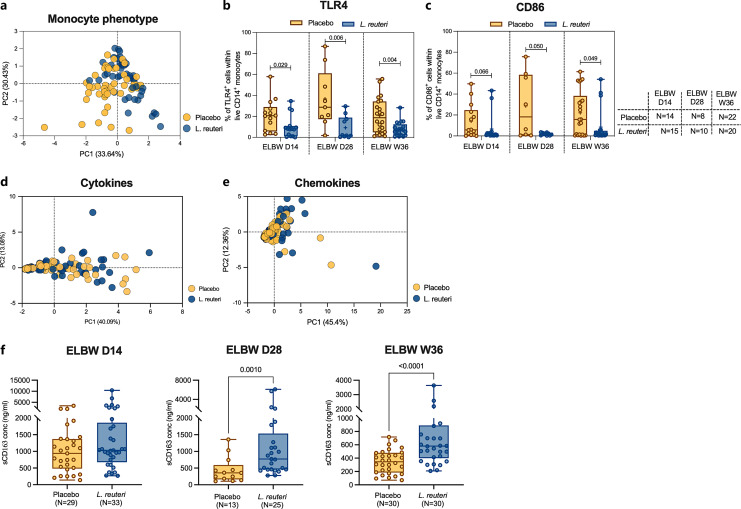
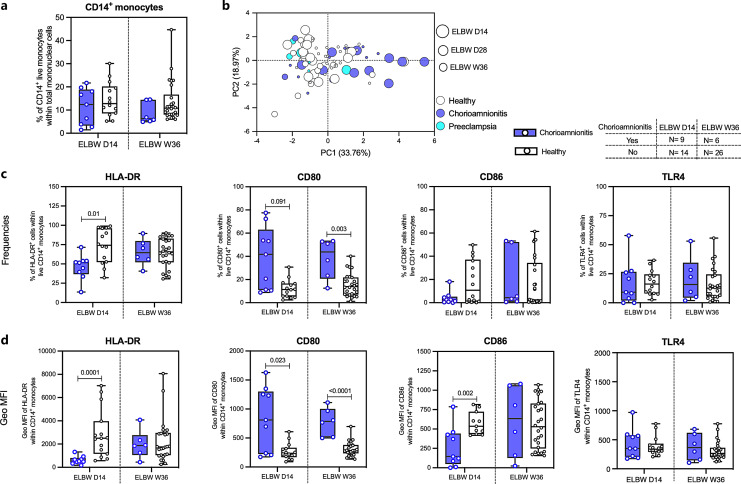
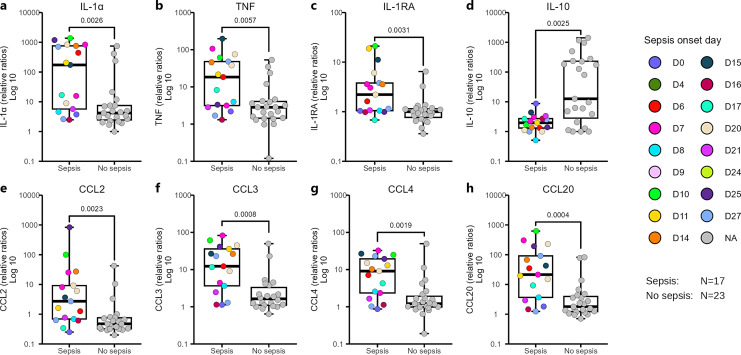
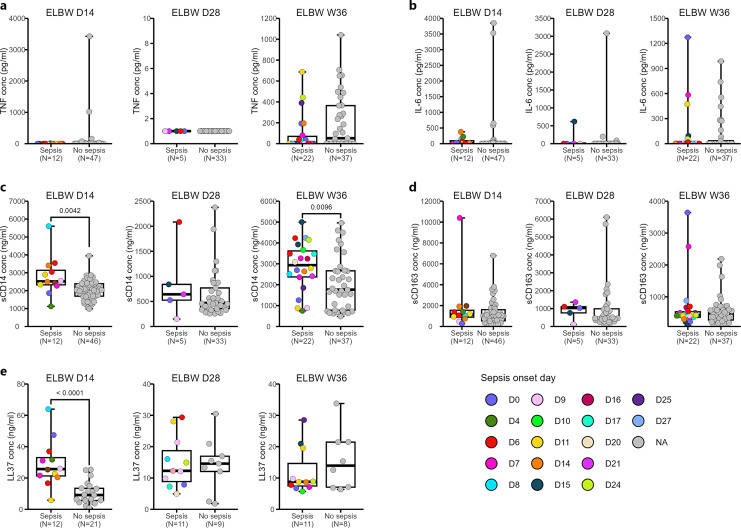
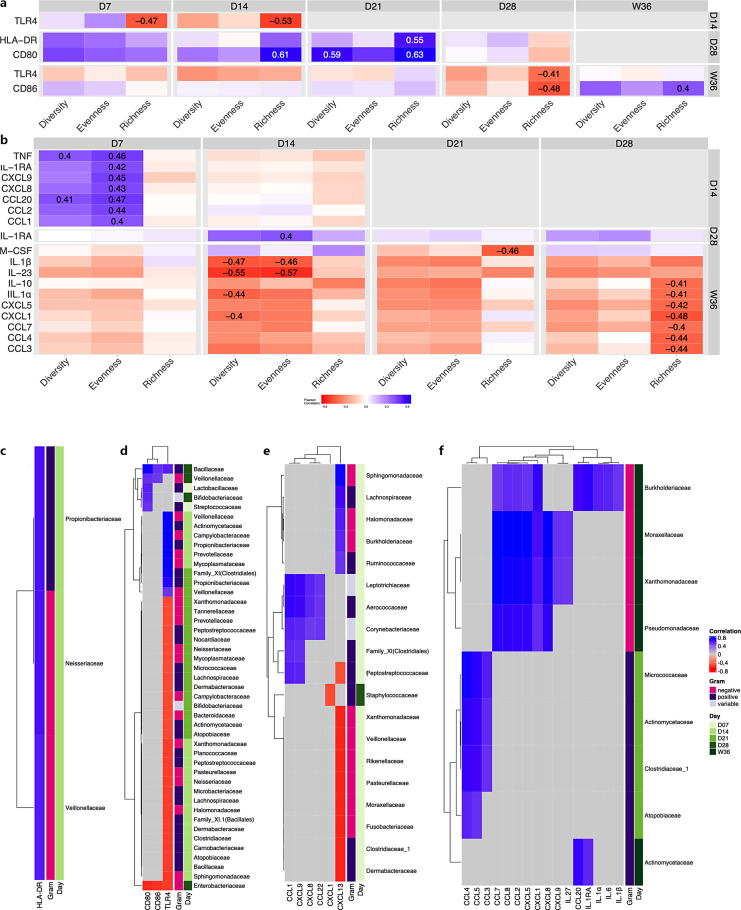
The extremely preterm infants had persistent alterations in their monocyte characteristics that were further aggravated in chorioamnionitis cases. They showed a markedly reduced TLR4 expression and hampered LPS-stimulated cytokine responses 14 days after birth. Notably, at later timepoints, TLR4 expression and LPS responses no longer correlated. Sepsis during the first weeks of life strongly associated with increased pro-inflammatory, and reduced IL-10, responses also at postmenstrual week 36. Further, we report a correlation between gut microbiota features and monocyte phenotype and responses, but also that probiotic supplementation associated with distinct monocyte phenotypic characteristics, without significantly influencing their responsiveness.
Extremely preterm infants have monocyte characteristics and functional features that deviate from infants born full-term. Some of these differences persist until they reach an age corresponding to full-term, potentially making them more vulnerable to microbial exposures during the first months of life.
先天免疫系统在生命早期很重要,特别是对于早产儿。
我们对接受益生菌补充的随机、安慰剂对照研究中的极早产儿进行了外周血单核细胞亚群的纵向分析。在生命的头几个月的几个时间点收集 PBMC 和粪便样本。通过流式细胞术分析单核细胞特征,并通过 Luminex 或 ELISA 分析 LPS 刺激的 PBMC 培养上清液。通过 ELISA 和 16S rRNA 测序分别分析血浆细胞因子和肠道微生物群落组成。
极早产儿的单核细胞特征持续存在改变,在绒毛膜羊膜炎病例中进一步加重。他们出生后 14 天 TLR4 表达明显降低,LPS 刺激的细胞因子反应受阻。值得注意的是,在以后的时间点,TLR4 表达和 LPS 反应不再相关。生命的前几周发生败血症与促炎细胞因子反应增加和 IL-10 反应减少强烈相关,甚至在胎龄 36 周时也是如此。此外,我们报告了肠道微生物群特征与单核细胞表型和反应之间的相关性,但也报告了益生菌补充与独特的单核细胞表型特征相关,而不会显著影响其反应性。
极早产儿的单核细胞特征和功能特征与足月出生的婴儿不同。其中一些差异持续到他们达到相当于足月的年龄,这可能使他们在生命的头几个月更容易受到微生物暴露的影响。