Ward J M
Environ Health Perspect. 1985 May;60:89-95. doi: 10.1289/ehp.856089.
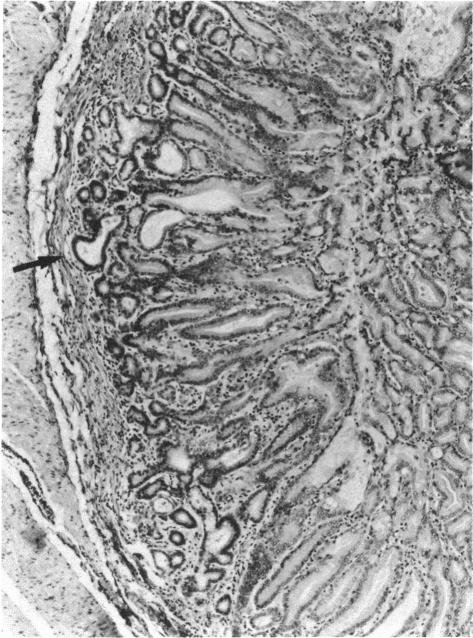
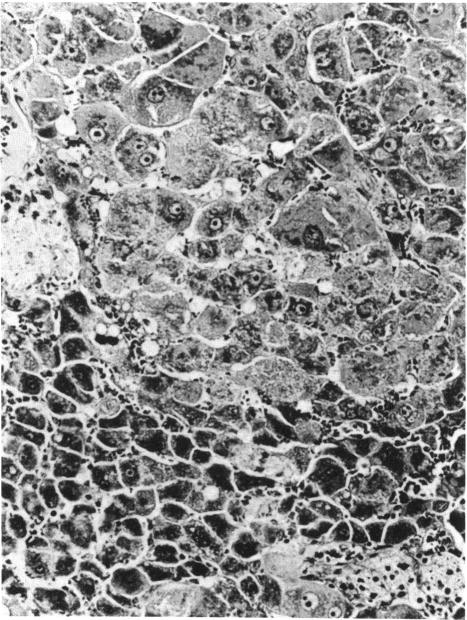
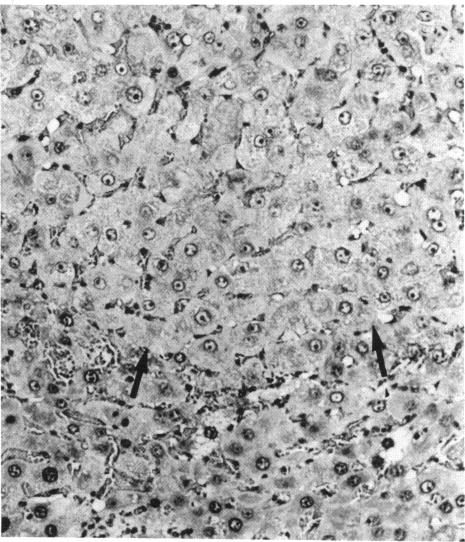
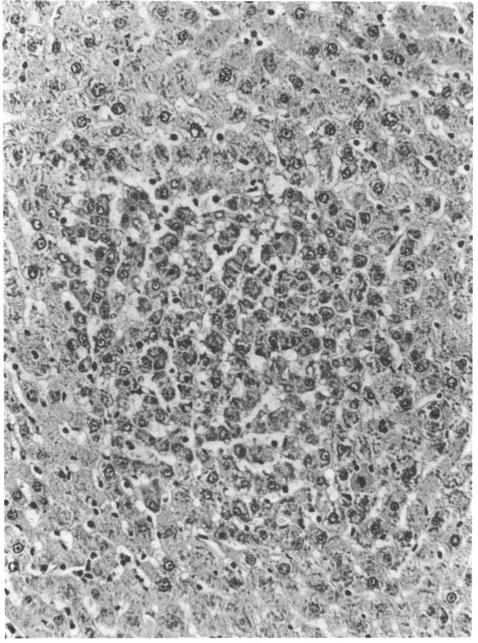
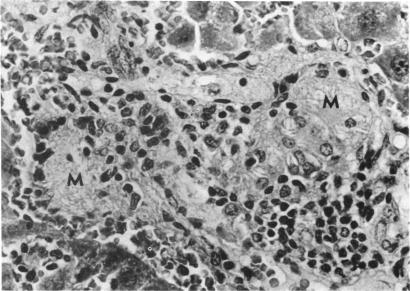
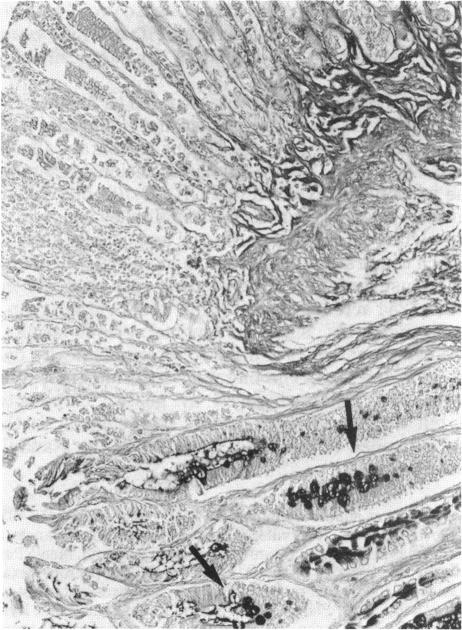
Aroclor 1254 was fed to groups of 24 male and 24 female F344 rats, from 7 weeks of age, at dietary concentrations of 25, 50 and 100 ppm for up to 105 weeks. There was a dose- related depression of body weight gain for both sexes and decrease in survival for male rats. Histologically, an increased incidence of gastric intestinal metaplasia and adenocarcinoma was found in both sexes. Hepatocellular adenomas, carcinomas, and eosinophilic and vacuolated hepatocellular foci were usually found in dosed rats only. The number of these foci per unit area of liver was significantly increased in dosed rats, although eosinophilic foci were only found in rats exposed to Aroclor 1254. Basophilic hepatocellular foci were found in similar numbers per square centimeter of liver in controls and treated rats. This finding suggested that eosinophilic hepatocellular foci and tumors arose de novo rather than from the naturally occurring basophilic foci. The appearance of unique, potentially preneoplastic lesions and tumors in the liver and stomach in dosed rats which do not usually occur spontaneously in control rats would support the hypothesis that Aroclor 1254 induced or initiated these unique lesions de novo rather than promoted the growth of any naturally occurring lesions. Nonneoplastic hepatic lesions included degenerative hepatocellular changes and aggregates of macrophages with crystalline cytoplasmic structures and pigment granules.
从7周龄起,将Aroclor 1254以25、50和100 ppm的膳食浓度喂给每组24只雄性和24只雌性F344大鼠,持续105周。两性的体重增加均出现剂量相关的下降,雄性大鼠的存活率降低。组织学上,两性的胃肠化生和腺癌发病率均增加。肝细胞腺瘤、癌以及嗜酸性和空泡状肝细胞灶通常仅在给药大鼠中发现。给药大鼠肝脏单位面积内这些病灶的数量显著增加,尽管嗜酸性病灶仅在暴露于Aroclor 1254的大鼠中发现。对照组和处理组大鼠每平方厘米肝脏中嗜碱性肝细胞灶的数量相似。这一发现表明嗜酸性肝细胞灶和肿瘤是新生的,而非源自自然发生的嗜碱性病灶。给药大鼠肝脏和胃中出现了对照组大鼠通常不会自发出现的独特的、潜在的癌前病变和肿瘤,这将支持以下假设:Aroclor 1254从头诱导或引发了这些独特病变,而非促进任何自然发生病变的生长。非肿瘤性肝脏病变包括肝细胞退行性变化以及具有结晶状细胞质结构和色素颗粒的巨噬细胞聚集。