Molecular Neurodegeneration, Institute for Pathobiochemistry, University Medical Center of the Johannes Gutenberg-University of Mainz, Duesbergweg 6, 55099, Mainz, Germany.
Institute for Pharmacy and Molecular Biotechnology, University Heidelberg, Heidelberg, Germany.
Fluids Barriers CNS. 2024 Sep 17;21(1):74. doi: 10.1186/s12987-024-00573-1.
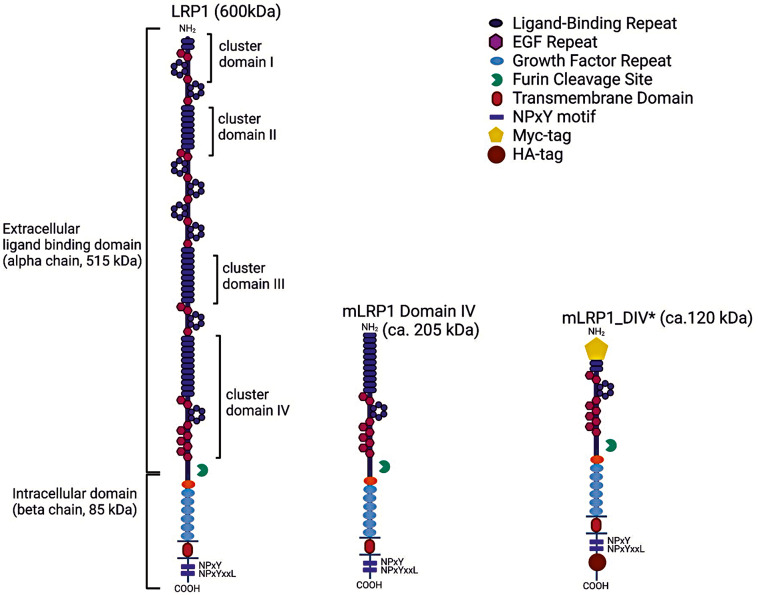
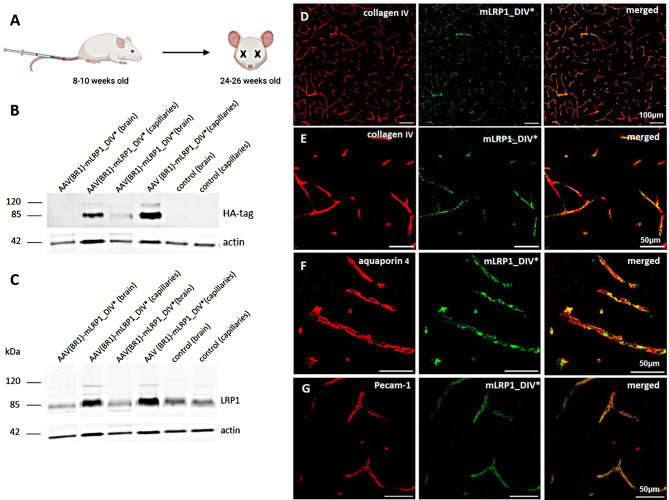
The most crucial area to focus on when thinking of novel pathways for drug delivery into the CNS is the blood brain barrier (BBB). A number of nanoparticulate formulations have been shown in earlier research to target receptors at the BBB and transport therapeutics into the CNS. However, no mechanism for CNS entrance and movement throughout the CNS parenchyma has been proposed yet. Here, the truncated mini low-density lipoprotein receptor-related protein 1 mLRP1_DIV* was presented as blood to brain transport carrier, exemplified by antibodies and immunoliposomes using a systematic approach to screen the receptor and its ligands' route across endothelial cells in vitro.
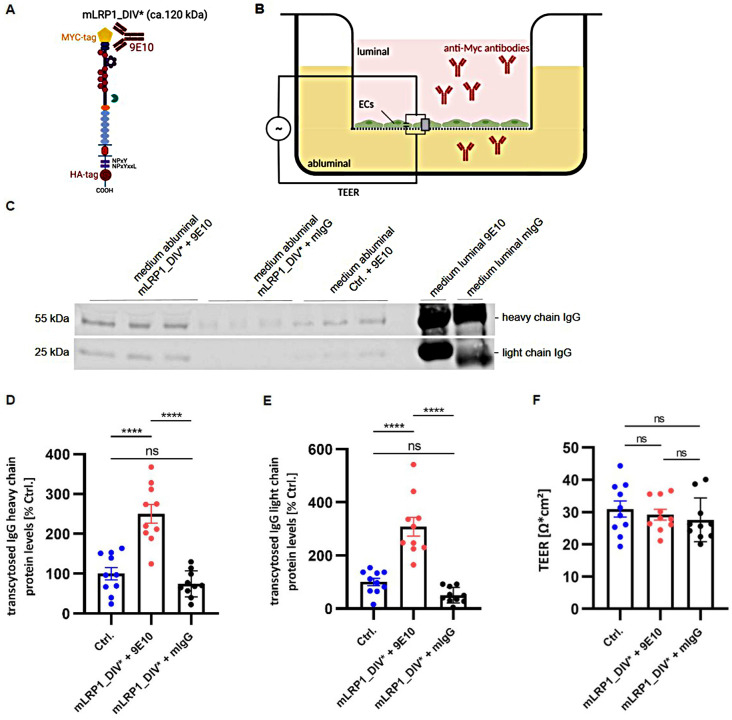
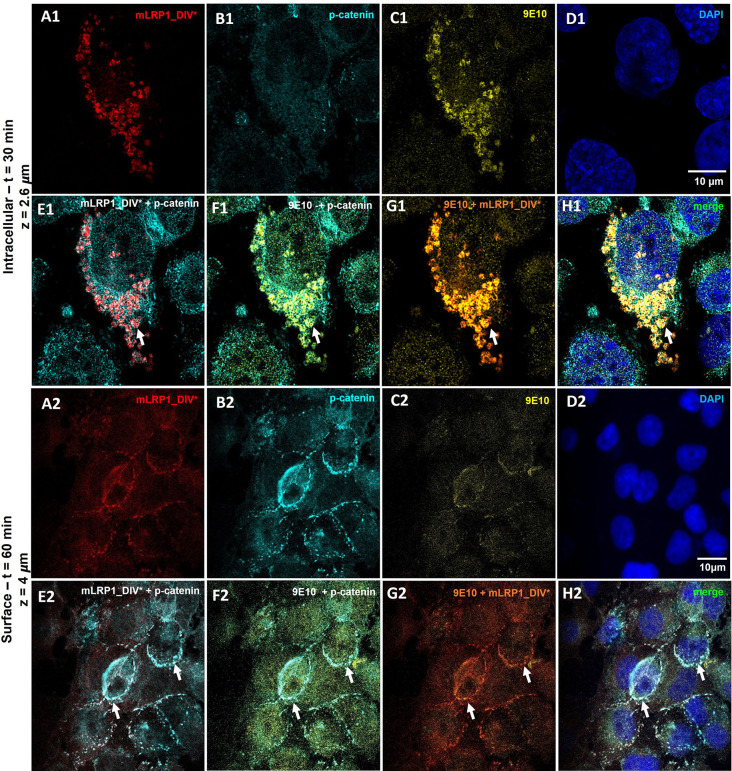
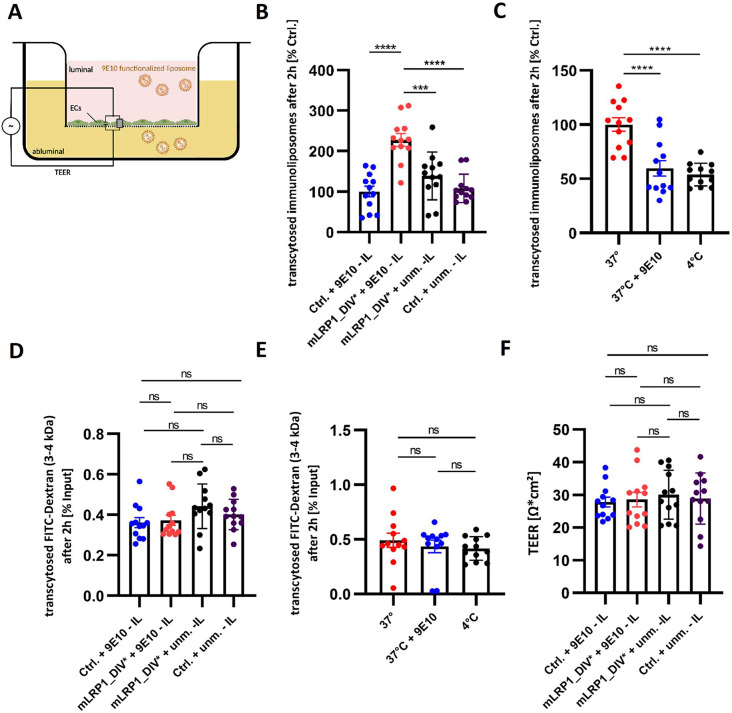
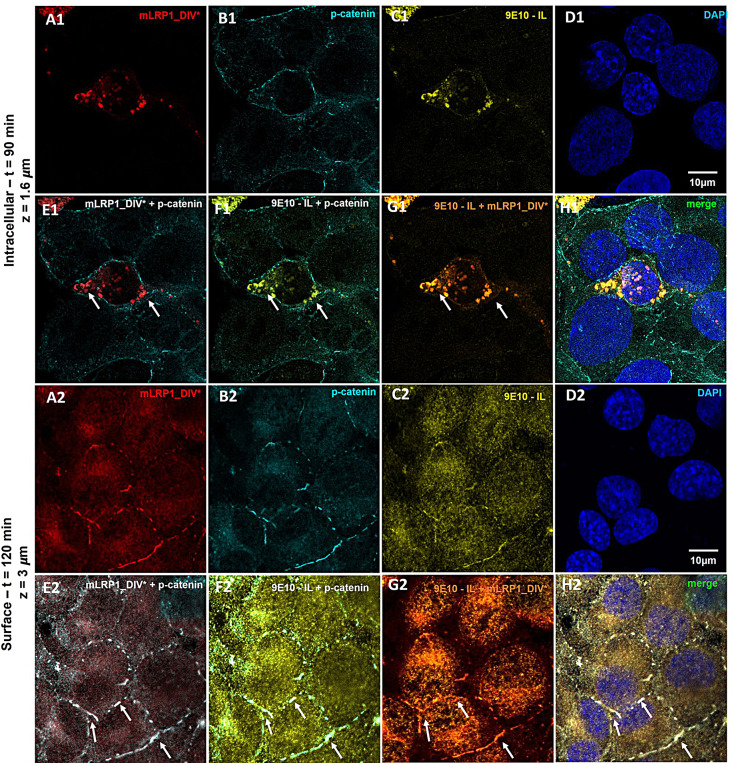
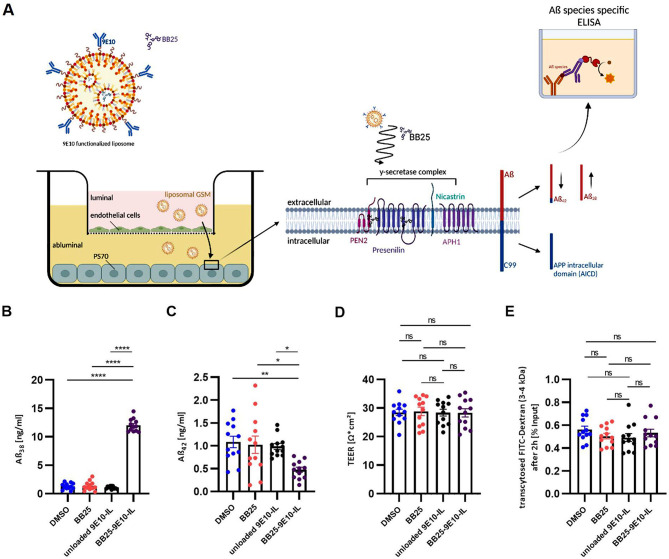
The use of mLRP1_DIV* as liposomal carrier into the CNS was validated based on internalization and transport assays across an in vitro model of the BBB using hcMEC/D3 and bEnd.3 cells. Trafficking routes of mLRP1_DIV* and corresponding cargo across endothelial cells were analyzed using immunofluorescence. Modulation of γ-secretase activity by immunoliposomes loaded with the γ-secretase modulator BB25 was investigated in co-cultures of bEnd.3 mLRP1_DIV* cells and CHO cells overexpressing human amyloid precursor protein (APP) and presenilin 1 (PSEN1).
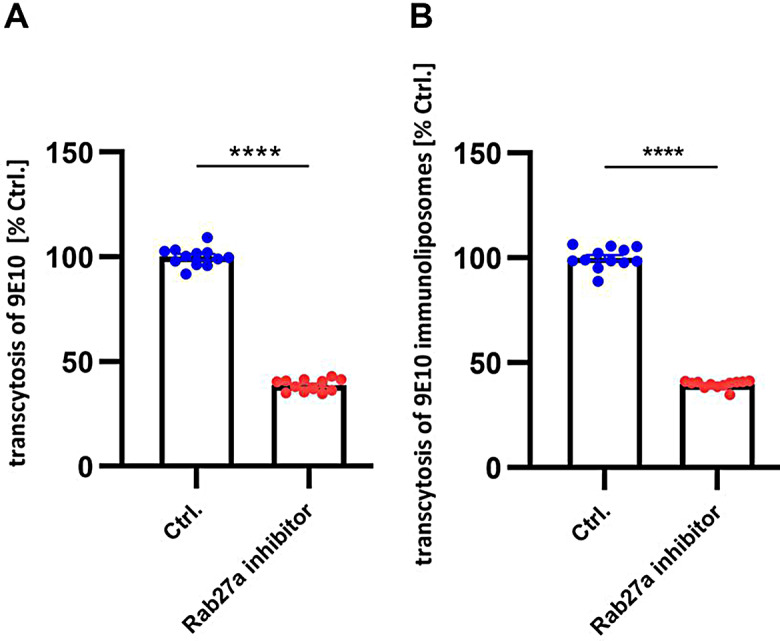
We showed that while expressed in vitro, mLRP1_DIV* transports both, antibodies and functionalized immunoliposomes from luminal to basolateral side across an in vitro model of the BBB, followed by their mLRP1_DIV* dependent release of the cargo. Importantly, functionalized liposomes loaded with the γ-secretase modulator BB25 were demonstrated to effectively reduce toxic Aß peptide levels after mLRP1_DIV* mediated transport across a co-cultured endothelial monolayer.
Together, the data strongly suggest mLRP1_DIV* as a promising tool for drug delivery into the CNS, as it allows a straight transport of cargo from luminal to abluminal side across an endothelial monolayer and it's release into brain parenchyma in vitro, where it exhibits its intended therapeutic effect.
当考虑将药物递送到中枢神经系统的新途径时,最关键的领域是血脑屏障(BBB)。早期的研究表明,许多纳米颗粒制剂靶向 BBB 上的受体,并将治疗药物输送到中枢神经系统。然而,目前还没有提出进入中枢神经系统并在中枢神经系统实质中移动的机制。在这里,截短的 mini 低密度脂蛋白受体相关蛋白 1 mLRP1_DIV* 被提出作为血脑转运载体,通过系统的方法筛选受体及其配体在体外穿过内皮细胞的途径,以抗体和免疫脂质体为例。
基于 mLRP1_DIV* 内化和穿过体外 BBB 模型的转运试验,验证了 mLRP1_DIV作为脂质体载体进入中枢神经系统的用途,该模型使用了 hcMEC/D3 和 bEnd.3 细胞。使用免疫荧光分析 mLRP1_DIV及其携带物穿过内皮细胞的运输途径。通过共培养 bEnd.3 mLRP1_DIV*细胞和过表达人淀粉样前体蛋白(APP)和早老素 1(PSEN1)的 CHO 细胞,研究了负载 γ-分泌酶调节剂 BB25 的免疫脂质体对 γ-分泌酶活性的调节作用。
我们表明,在体外表达时,mLRP1_DIV将抗体和功能化免疫脂质体从腔侧转运到基底外侧,穿过体外 BBB 模型,随后依赖 mLRP1_DIV释放货物。重要的是,负载 γ-分泌酶调节剂 BB25 的功能化脂质体被证明可以有效地降低共培养内皮单层跨膜后 mLRP1_DIV*介导运输后有毒 Aβ肽的水平。
总的来说,这些数据强烈表明 mLRP1_DIV*是一种有前途的药物递送到中枢神经系统的工具,因为它允许货物从腔侧直接转运到基底外侧穿过内皮单层,并在体外释放到脑实质中,在那里发挥其预期的治疗效果。