Centro de Astrobiología (CAB), CSIC-INTA, 28850, Torrejón de Ardoz, Madrid, Spain.
IMDEA Water Institute, Avenida Punto Com 2, 28805, Alcalá de Henares, Madrid, Spain.
Microbiome. 2024 Sep 17;12(1):176. doi: 10.1186/s40168-024-01878-x.
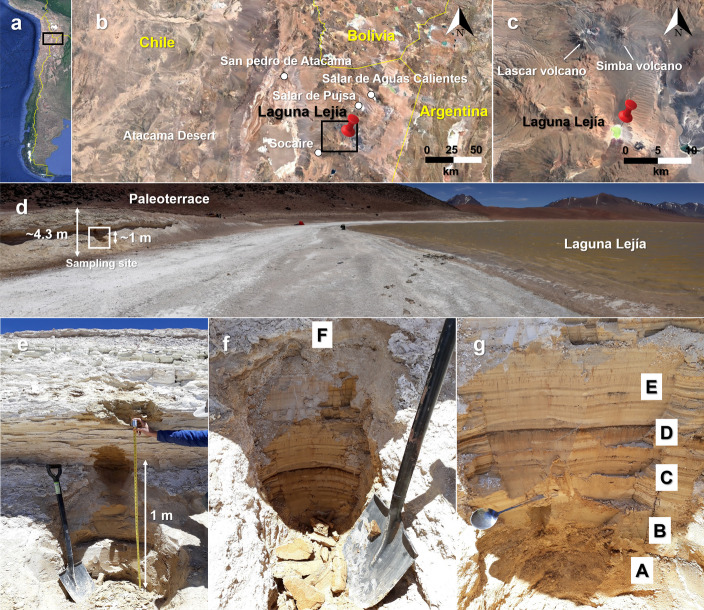
The Andean Altiplano hosts a repertoire of high-altitude lakes with harsh conditions for life. These lakes are undergoing a process of desiccation caused by the current climate, leaving terraces exposed to extreme atmospheric conditions and serving as analogs to Martian paleolake basins. Microbiomes in Altiplano lake terraces have been poorly studied, enclosing uncultured lineages and a great opportunity to understand environmental adaptation and the limits of life on Earth. Here we examine the microbial diversity and function in ancient sediments (10.3-11 kyr BP (before present)) from a terrace profile of Laguna Lejía, a sulfur- and metal/metalloid-rich saline lake in the Chilean Altiplano. We also evaluate the physical and chemical changes of the lake over time by studying the mineralogy and geochemistry of the terrace profile.
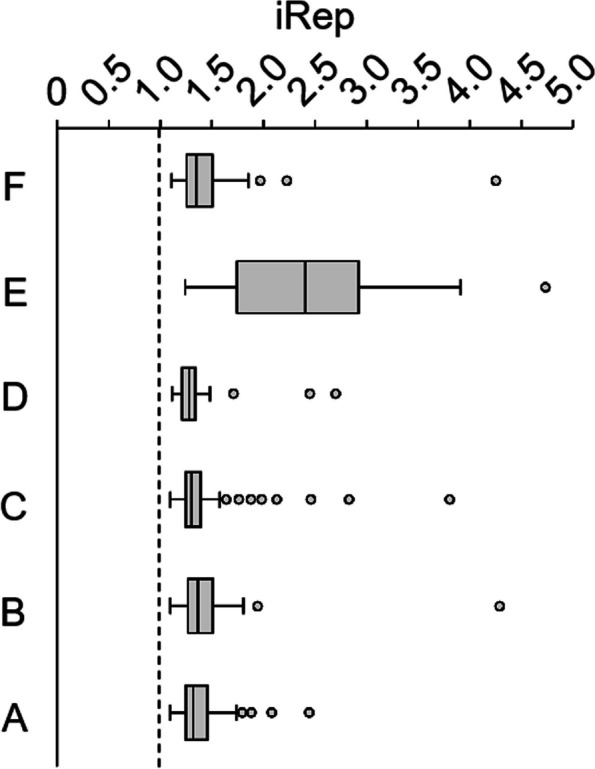
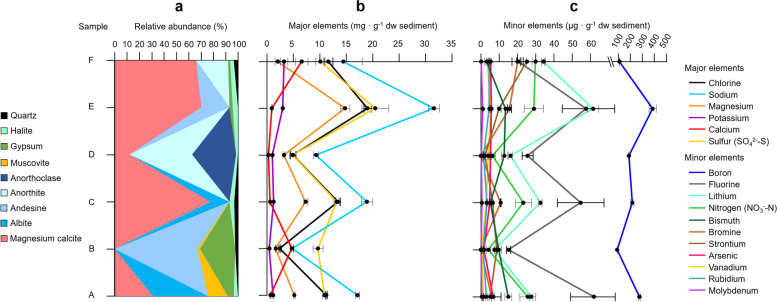
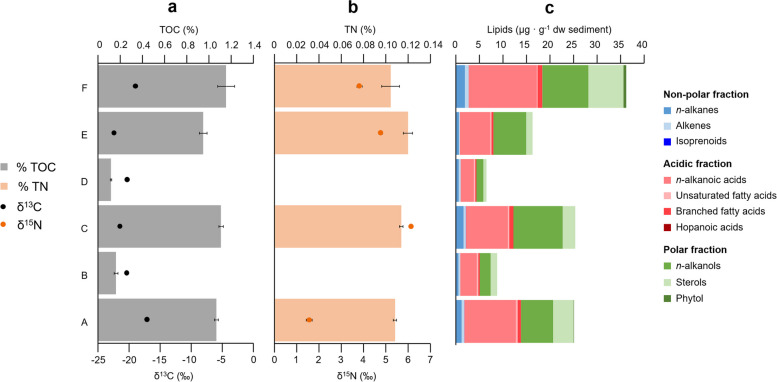
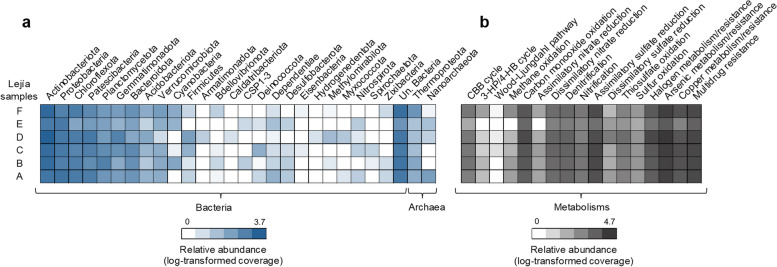
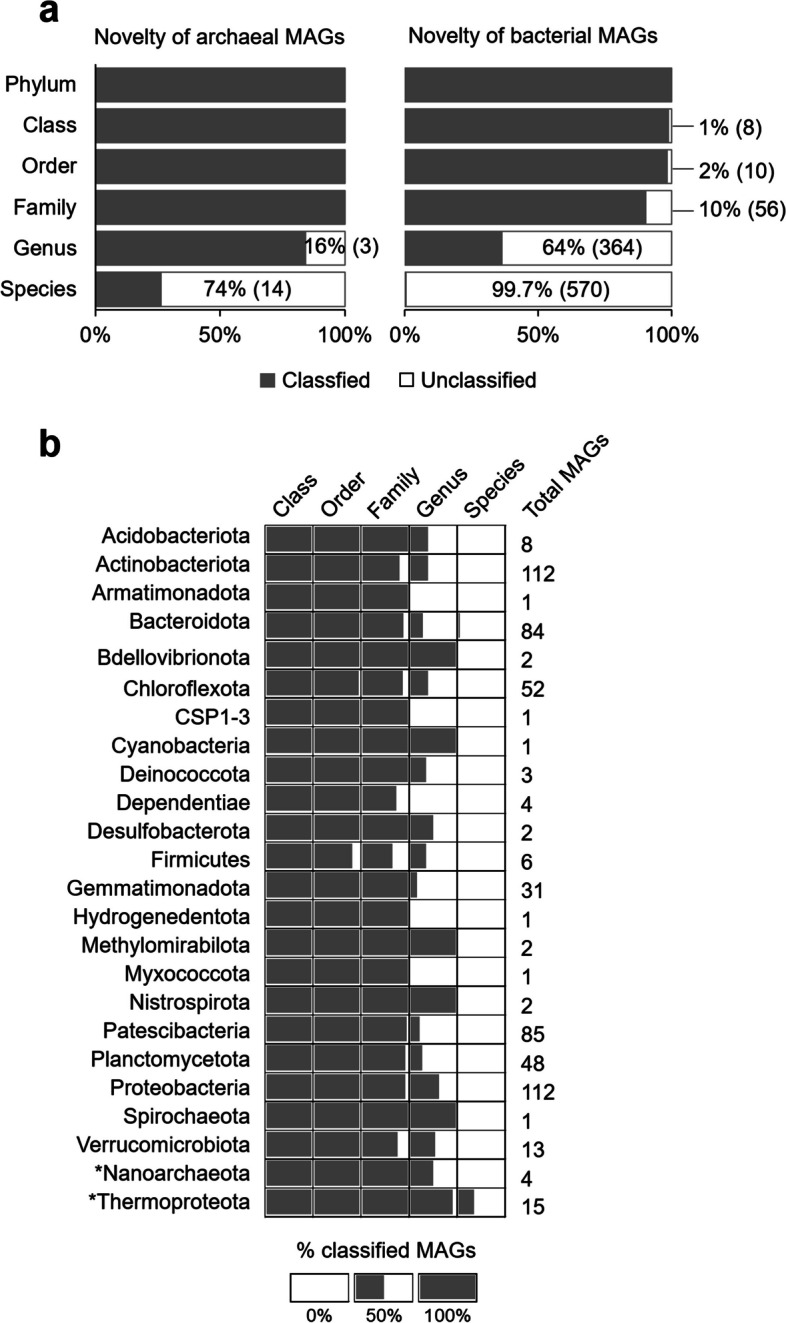
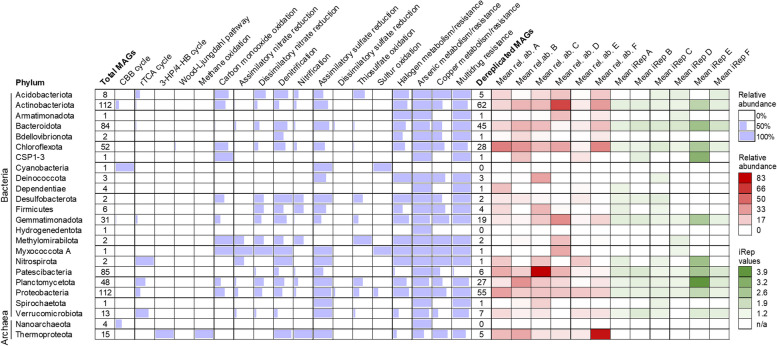
The mineralogy and geochemistry of the terrace profile revealed large water level fluctuations in the lake, scarcity of organic carbon, and high concentration of SO-S, Na, Cl and Mg. Lipid biomarker analysis indicated the presence of aquatic/terrestrial plant remnants preserved in the ancient sediments, and genome-resolved metagenomics unveiled a diverse prokaryotic community with still active microorganisms based on in silico growth predictions. We reconstructed 591 bacterial and archaeal metagenome-assembled genomes (MAGs), of which 98.8% belonged to previously unreported species. The most abundant and widespread metabolisms among MAGs were the reduction and oxidation of S, N, As, and halogenated compounds, as well as aerobic CO oxidation, possibly as a key metabolic trait in the organic carbon-depleted sediments. The broad redox and CO fixation pathways among phylogenetically distant bacteria and archaea extended the knowledge of metabolic capacities to previously unknown taxa. For instance, we identified genomic potential for dissimilatory sulfate reduction in Bacteroidota and α- and γ-Proteobacteria, predicted an enzyme for ammonia oxidation in a novel Actinobacteriota, and predicted enzymes of the Calvin-Benson-Bassham cycle in Planctomycetota, Gemmatimonadota, and Nanoarchaeota.
The high number of novel bacterial and archaeal MAGs in the Laguna Lejía indicates the wide prokaryotic diversity discovered. In addition, the detection of genes in unexpected taxonomic groups has significant implications for the expansion of microorganisms involved in the biogeochemical cycles of carbon, nitrogen, and sulfur. Video Abstract.
安第斯高原拥有一系列高海拔湖泊,这些湖泊的生存条件十分恶劣。由于当前气候的影响,这些湖泊正在经历干涸过程,留下的阶地暴露在极端的大气条件下,成为火星古湖泊盆地的模拟环境。安第斯高原湖泊阶地中的微生物组研究还很不完善,其中包含着未培养的谱系,这为我们了解地球环境适应和生命极限提供了绝佳机会。在这里,我们研究了智利高原硫和金属/类金属丰富的咸水湖 Laguna Lejía 阶地剖面中古老沉积物(距今 10.3-11 千年前)中的微生物多样性和功能。我们还通过研究阶地剖面的矿物学和地球化学来评估湖泊随时间的物理和化学变化。
阶地剖面的矿物学和地球化学揭示了湖泊水位的大幅波动、有机碳的匮乏以及 SO-S、Na、Cl 和 Mg 的高浓度。脂质生物标志物分析表明,水生/陆生植物残体存在于古老沉积物中,基于计算机模拟生长预测的基因组解析宏基因组揭示了一个多样化的原核生物群落,其中仍有活跃的微生物。我们重建了 591 个细菌和古菌宏基因组组装基因组(MAGs),其中 98.8%属于以前未报道的物种。MAGs 中最丰富和广泛的代谢途径是 S、N、As 和卤代化合物的还原和氧化,以及有氧 CO 氧化,这可能是有机碳耗尽沉积物中的关键代谢特征。系统发育上不同的细菌和古菌之间广泛的氧化还原和 CO 固定途径扩展了代谢能力的知识,涵盖了以前未知的分类群。例如,我们在 Bacteroidota 和 α-和 γ-Proteobacteria 中鉴定了异化硫酸盐还原的基因组潜力,在一种新型的 Actinobacteriota 中预测了氨氧化酶,在 Planctomycetota、Gemmatimonadota 和 Nanoarchaeota 中预测了卡尔文-本森-巴斯汉姆循环的酶。
Laguna Lejía 中大量新的细菌和古菌 MAGs 的发现表明了广泛的原核生物多样性。此外,在意想不到的分类群中检测到基因具有重要意义,这扩大了参与碳、氮和硫生物地球化学循环的微生物的范围。