Calvez Ingrid, Garcia Rosilei, Koubaa Ahmed, Landry Véronic, Cloutier Alain
Department of Wood and Forest Sciences, Renewable Materials Research Centre (CRMR), Faculty of Forestry, Geography, and Geomatics, Université Laval, 2425 Rue de La Terrasse, Quebec, QC G1V 0A6 Canada.
Forest Research Institute, Université du Québec en Abitibi-Témiscamingue (UQAT), 445 Boulevard de l'Université, Rouyn-Noranda, QC J9X 5E4 Canada.
Curr For Rep. 2024;10(5):386-400. doi: 10.1007/s40725-024-00227-3. Epub 2024 Jul 30.
Conventional formaldehyde-based adhesives for wood-based composite panels are subject to significant concerns due to their formaldehyde emissions. Over the past decade, the wood adhesive industry has undergone a considerable transformation that is characterized by a major push in bio-adhesive development. Various bio-based materials have been explored to create alternatives to conventional formaldehyde-based adhesives. Moreover, growing interest in circularity has led to increasingly exploiting industrial coproducts and by-products to find innovative solutions.
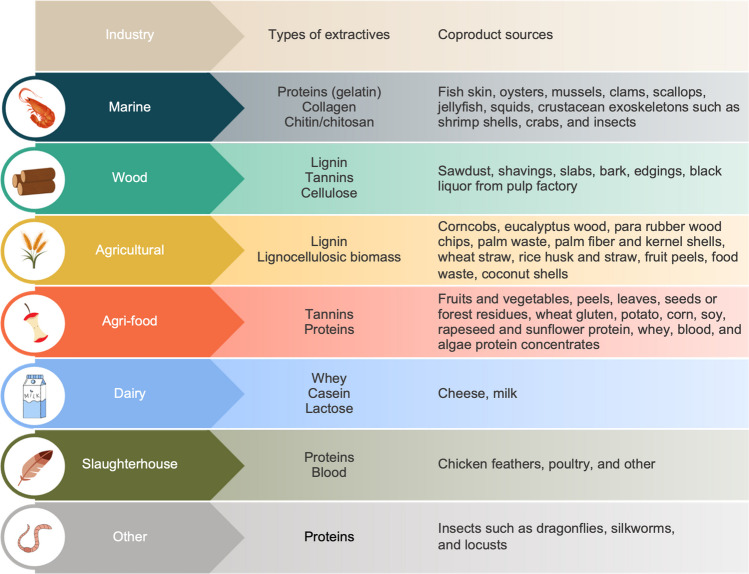
Industrial production generates many coproducts that can serve as renewable resources to produce eco-friendly materials. These coproducts offer alternative supply sources for material production without encroaching on food production. Many bio-based compounds or coproducts, such as saccharides, proteins, tannins, and lignocellulosic biomass, can also be used to develop bio-based adhesives. As part of ongoing efforts to reduce formaldehyde emissions, new hardeners and crosslinkers are being developed to replace formaldehyde and bio-scavengers. Other alternatives, such as binderless panels, are also emerging.
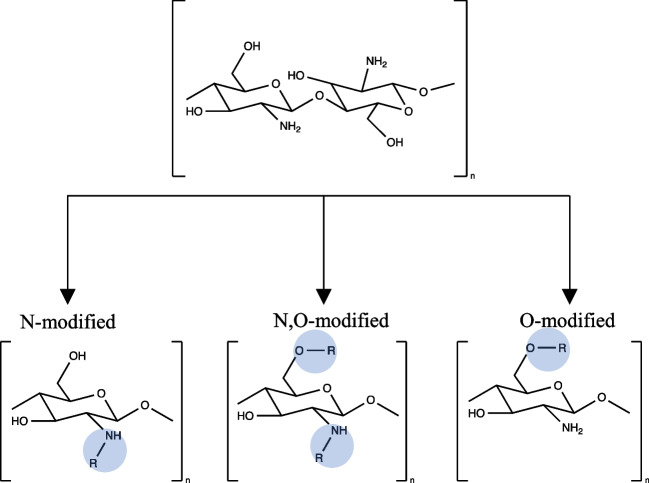
This review focuses on sources of bio-based material derived from by-products of various industries, which have many advantages and disadvantages when incorporated into adhesives. Modification methods to enhance their properties and performance in wood-based panels are also discussed. Additionally, alternatives for developing low-emission or formaldehyde-free adhesives are addressed, including hardeners, bio-scavengers, and binderless options. Finally, the environmental impact of bio-based adhesives compared to that of synthetic alternatives is detailed.
用于木质复合板的传统甲醛基胶粘剂因其甲醛排放问题受到广泛关注。在过去十年中,木材胶粘剂行业经历了重大变革,其特点是大力推动生物胶粘剂的开发。人们探索了各种生物基材料,以创造传统甲醛基胶粘剂的替代品。此外,对循环利用的兴趣日益浓厚,促使人们越来越多地利用工业副产品和副产物来寻找创新解决方案。
工业生产产生许多可作为可再生资源用于生产环保材料的副产品。这些副产品为材料生产提供了替代供应源,而不会侵占粮食生产。许多生物基化合物或副产品,如糖类、蛋白质、单宁和木质纤维素生物质,也可用于开发生物基胶粘剂。作为减少甲醛排放的持续努力的一部分,正在开发新的固化剂和交联剂以替代甲醛和生物清除剂。其他替代品,如无胶板,也正在出现。
本综述重点关注源自各行业副产品的生物基材料来源,这些材料在用于胶粘剂时具有诸多优缺点。还讨论了增强其在木质板材中性能的改性方法。此外,还探讨了开发低排放或无甲醛胶粘剂的替代方案,包括固化剂、生物清除剂和无胶选项。最后,详细阐述了生物基胶粘剂与合成替代品相比的环境影响。