Kantrowitz David E, Darden Christon N, Haunschild Eric D, Gladstone James N, Anthony Shawn G
Department of Orthopedic Surgery, Mount Sinai Health System, New York, New York, U.S.A.
Arthrosc Tech. 2024 May 24;13(9):103034. doi: 10.1016/j.eats.2024.103034. eCollection 2024 Sep.
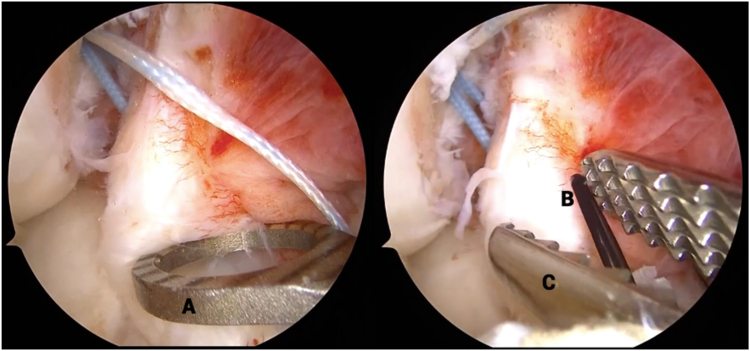
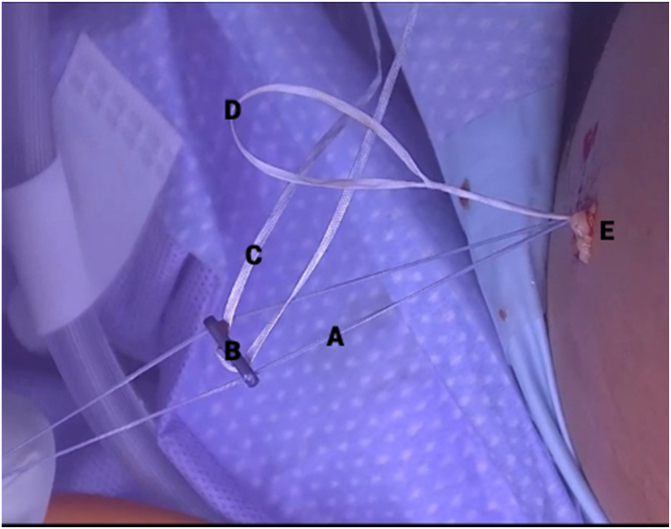
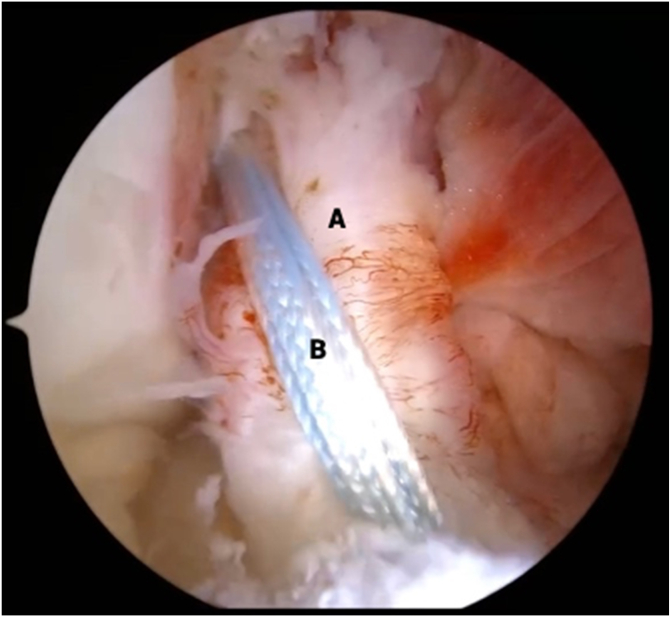
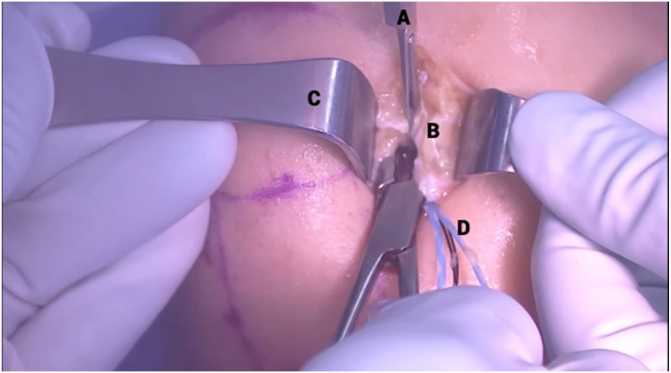
Historically, the treatment of anterior cruciate ligament (ACL) injuries shifted from primary repair to reconstruction because the native, intrasynovial location of the ACL precluded the formation of a fibrin-rich clot needed for ligament healing. However, increasing attention has been paid to augmenting the biological environment surrounding the ACL to facilitate its healing after arthroscopic repair. The bridge-enhanced ACL restoration implant uses resorbable collagen mixed with autologous blood to provide a biological scaffold for tissue healing. The short-term results of this procedure are promising, showing noninferiority to traditional ACL reconstruction at 2 years postoperatively and a higher rate of return to sport at 6 months. Our technique for performing the bridge-enhanced ACL repair is efficient, is easy to learn, and achieves excellent fixation of the ACL stump augmented with an internal brace.
从历史上看,前交叉韧带(ACL)损伤的治疗方法从一期修复转变为重建,因为ACL位于滑膜内的天然位置阻碍了韧带愈合所需的富含纤维蛋白的凝块的形成。然而,人们越来越关注改善ACL周围的生物学环境,以促进关节镜修复后其愈合。桥接增强ACL修复植入物使用可吸收胶原蛋白与自体血液混合,为组织愈合提供生物支架。该手术的短期效果令人鼓舞,术后2年显示出不劣于传统ACL重建的效果,且6个月时恢复运动的比例更高。我们进行桥接增强ACL修复的技术高效、易于学习,并且能够实现使用内部支架增强的ACL残端的良好固定。