Brandner Sebastian
Department of Neurodegenerative Disease, UCL Queen Square Institute of Neurology and Division of Neuropathology, The National Hospital for Neurology and Neurosurgery, University College London Hospitals, NHS Foundation Trust, London, UK.
Mol Oncol. 2024 Dec;18(12):2842-2870. doi: 10.1002/1878-0261.13729. Epub 2024 Sep 26.
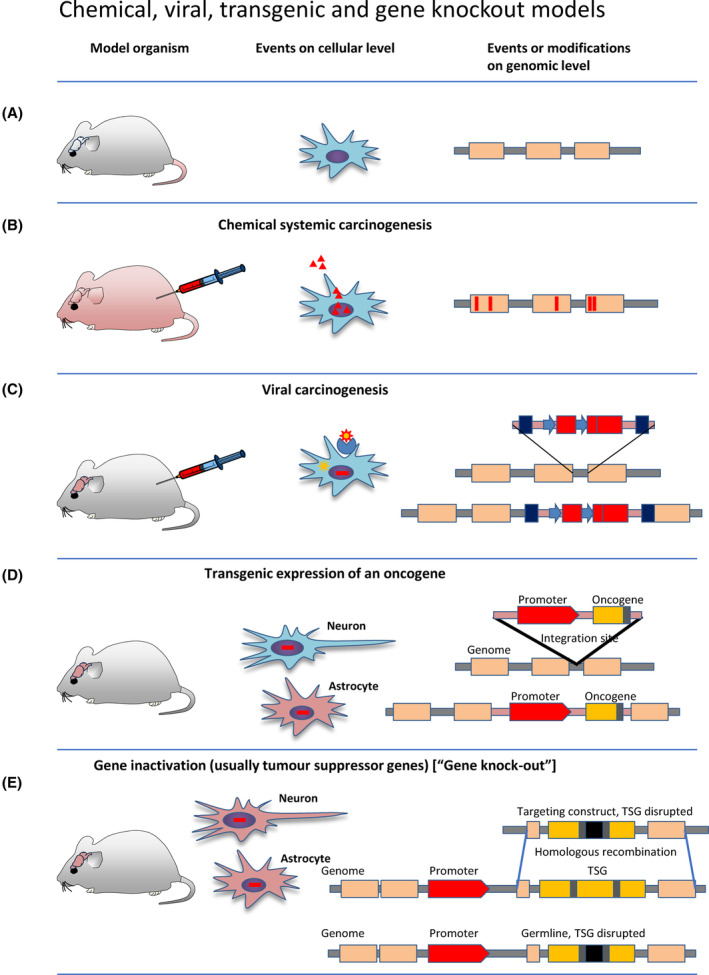
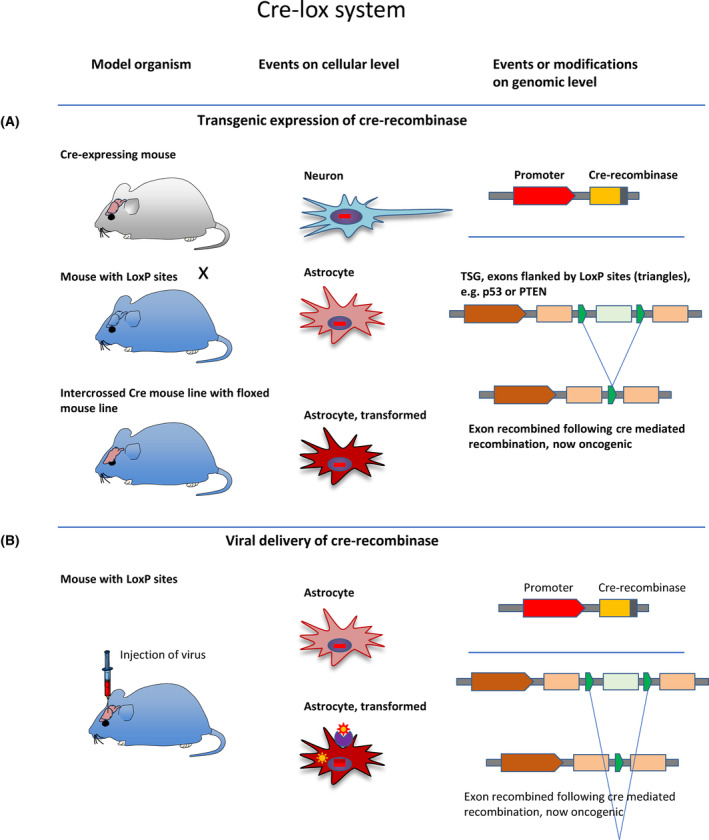
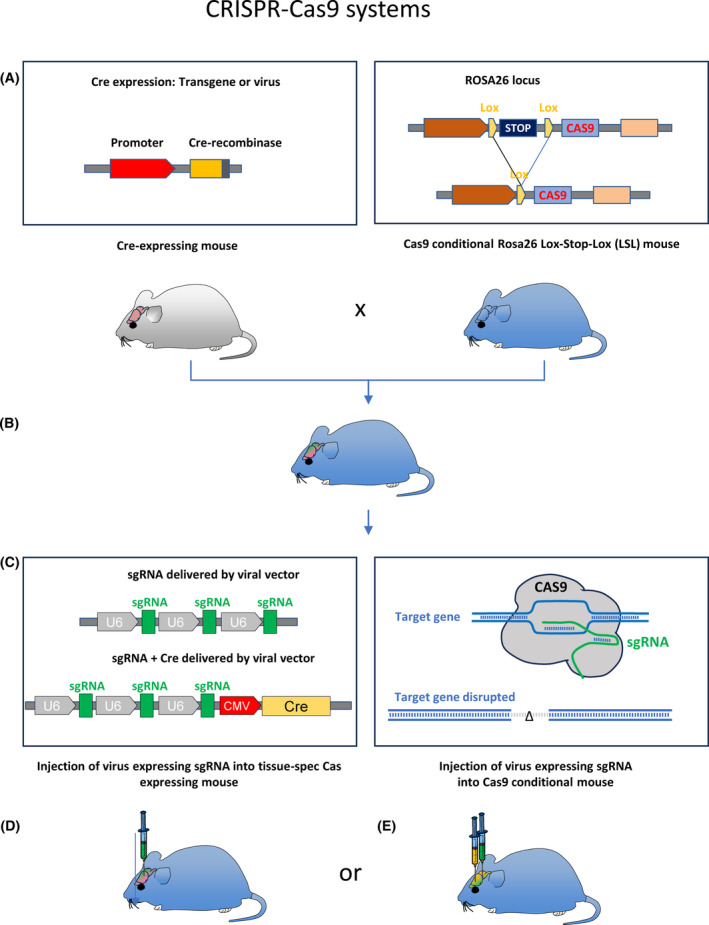
Modelling of human diseases is an essential component of biomedical research, to understand their pathogenesis and ultimately, develop therapeutic approaches. Here, we will describe models of tumours of the central nervous system, with focus on intrinsic CNS tumours. Model systems for brain tumours were established as early as the 1920s, using chemical carcinogenesis, and a systematic analysis of different carcinogens, with a more refined histological analysis followed in the 1950s and 1960s. Alternative approaches at the time used retroviral carcinogenesis, allowing a more topical, organ-centred delivery. Most of the neoplasms arising from this approach were high-grade gliomas. Whilst these experimental approaches did not directly demonstrate a cell of origin, the localisation and growth pattern of the tumours already pointed to an origin in the neurogenic zones of the brain. In the 1980s, expression of oncogenes in transgenic models allowed a more targeted approach by expressing the transgene under tissue-specific promoters, whilst the constitutive inactivation of tumour suppressor genes ('knock out')-often resulted in embryonic lethality. This limitation was elegantly solved by engineering the Cre-lox system, allowing for a promoter-specific, and often also time-controlled gene inactivation. More recently, the use of the CRISPR Cas9 technology has significantly increased experimental flexibility of gene expression or gene inactivation and thus added increased value of rodent models for the study of pathogenesis and establishing preclinical models.
人类疾病建模是生物医学研究的重要组成部分,目的是了解其发病机制并最终开发治疗方法。在此,我们将描述中枢神经系统肿瘤的模型,重点是原发性中枢神经系统肿瘤。脑肿瘤的模型系统早在20世纪20年代就已建立,采用化学致癌法,并对不同致癌物进行了系统分析,随后在20世纪50年代和60年代进行了更精细的组织学分析。当时的替代方法使用逆转录病毒致癌法,可实现更局部、以器官为中心的递送。通过这种方法产生的大多数肿瘤是高级别胶质瘤。虽然这些实验方法没有直接证明肿瘤的起源细胞,但肿瘤的定位和生长模式已表明其起源于脑的神经发生区。在20世纪80年代,转基因模型中癌基因的表达通过在组织特异性启动子下表达转基因实现了更具针对性的方法,而肿瘤抑制基因的组成性失活(“敲除”)——通常导致胚胎致死。通过构建Cre-lox系统巧妙地解决了这一局限性,该系统允许进行启动子特异性且通常也是时间可控的基因失活。最近,CRISPR Cas9技术的使用显著提高了基因表达或基因失活的实验灵活性,从而增加了啮齿动物模型在发病机制研究和建立临床前模型方面的价值。