Zhang Haiguang, Wang Rui, Song Yongteng, Wang Yahao, Hu Qingxi
Rapid Manufacturing Engineering Center, School of Mechatronic Engineering and Automation, Shanghai University, Shanghai 200444, China.
Shanghai Key Laboratory of Intelligent Manufacturing and Robotics, Shanghai University, Shanghai 200072, China.
Bioengineering (Basel). 2024 Aug 27;11(9):869. doi: 10.3390/bioengineering11090869.
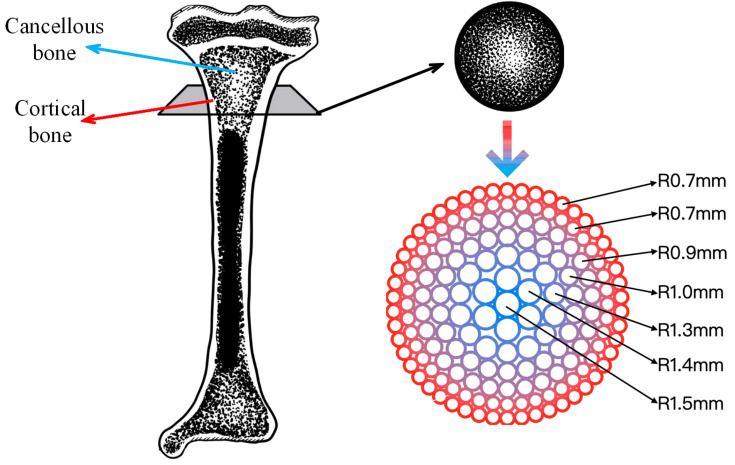
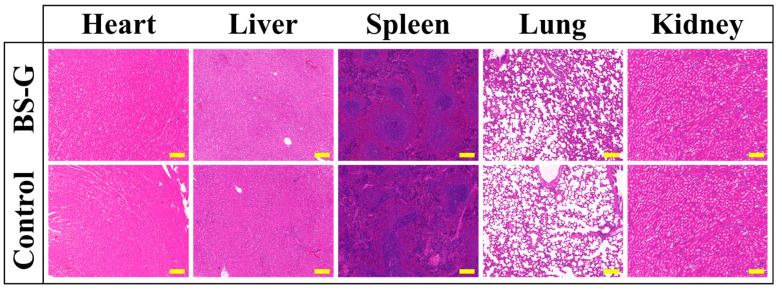
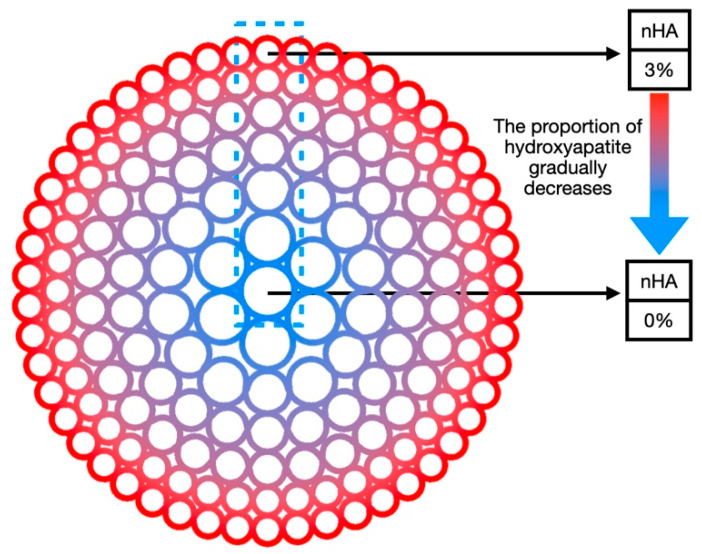
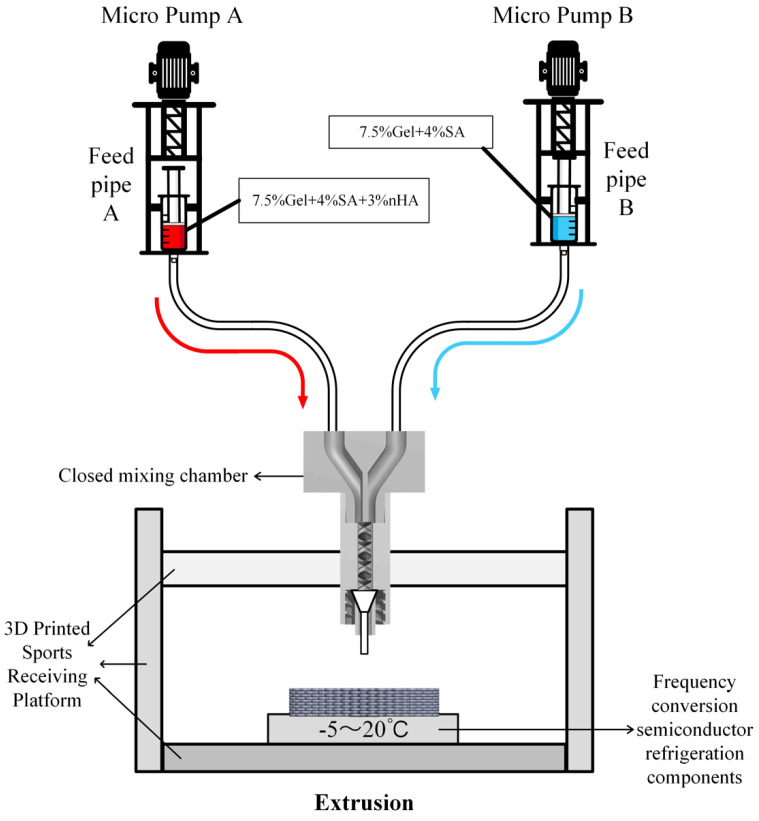
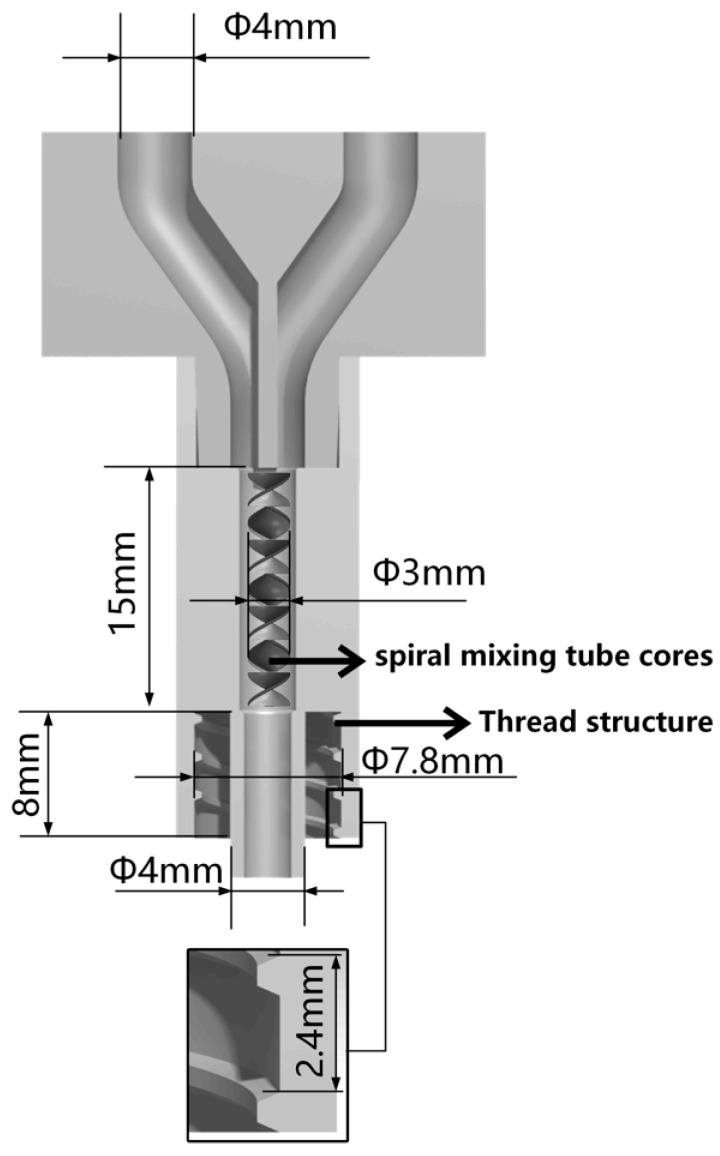
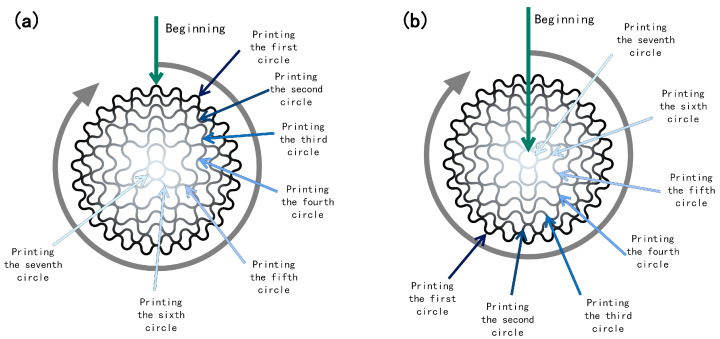
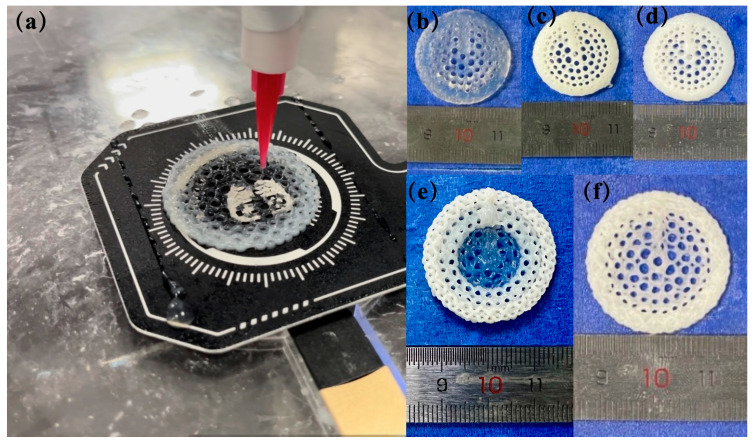
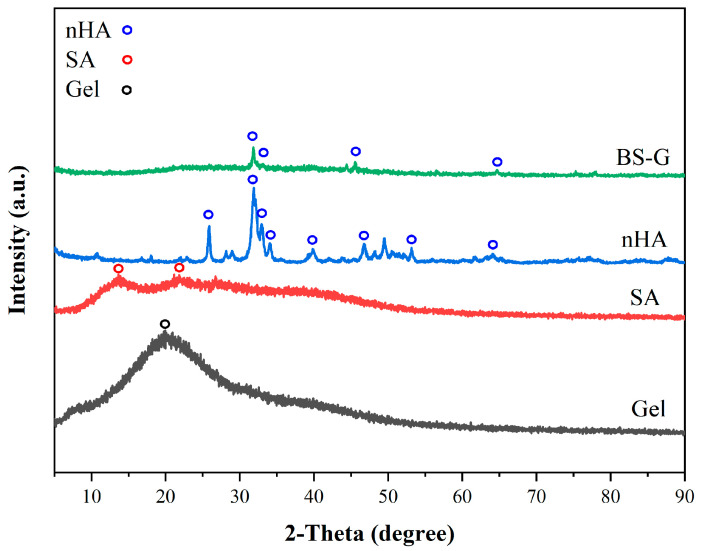
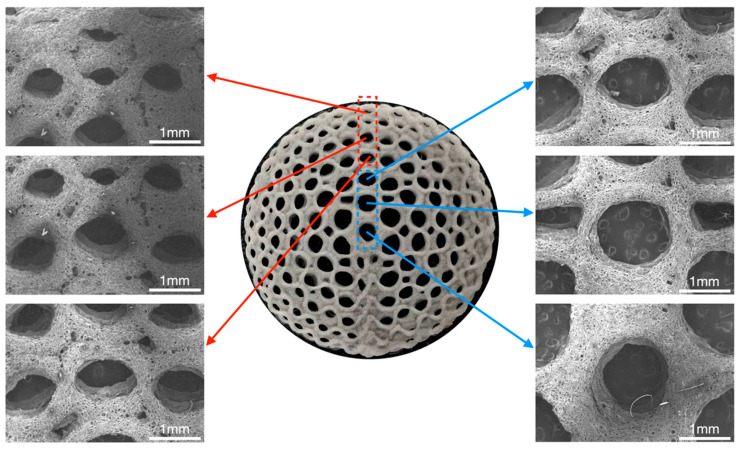
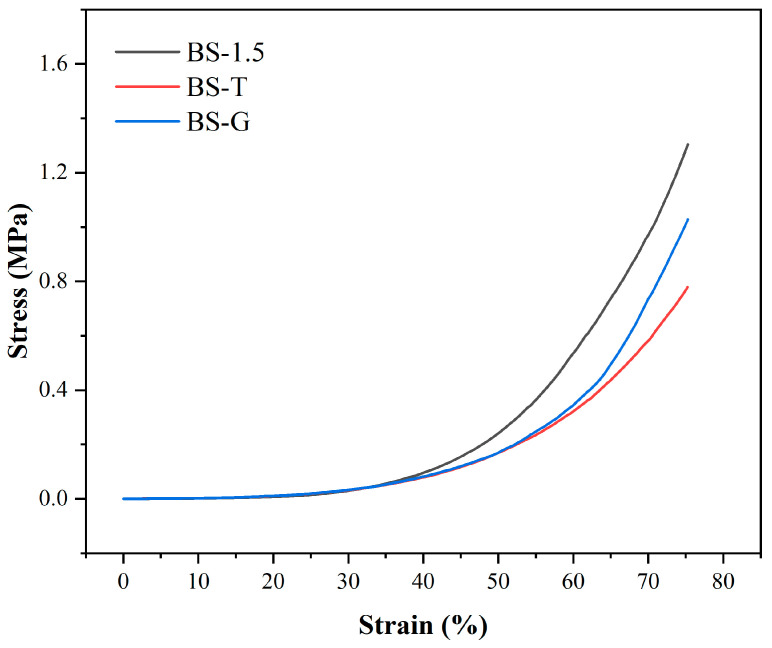
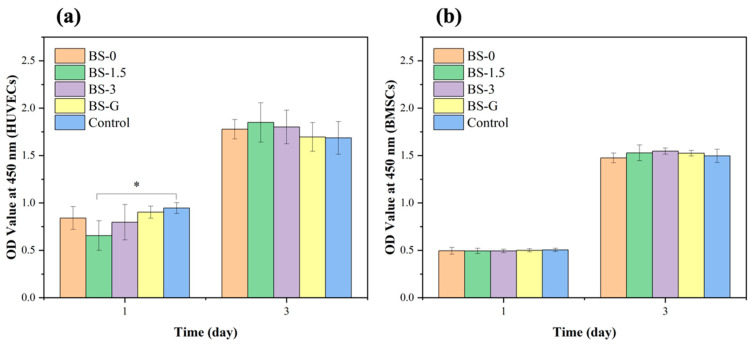
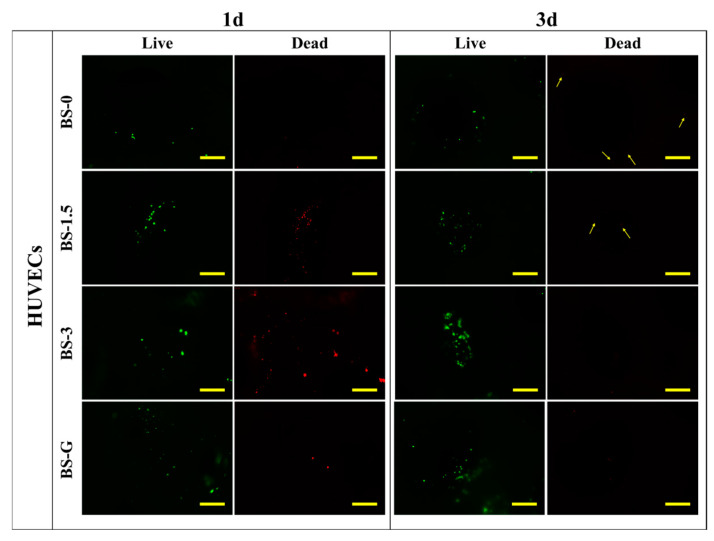
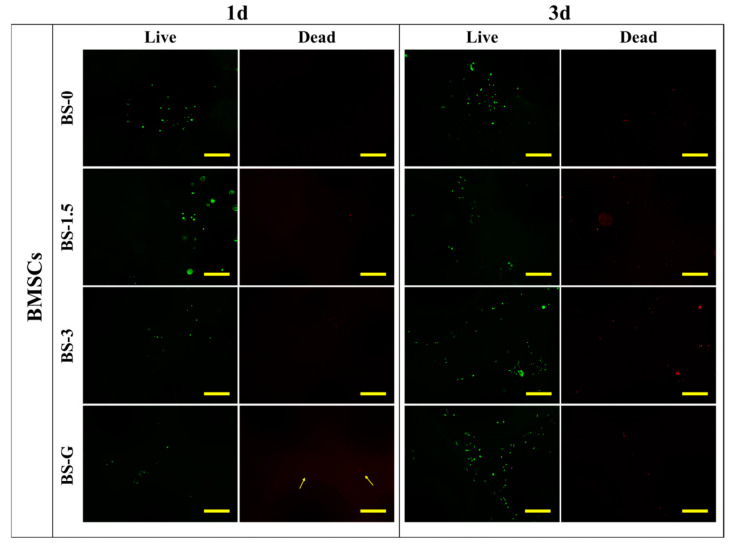
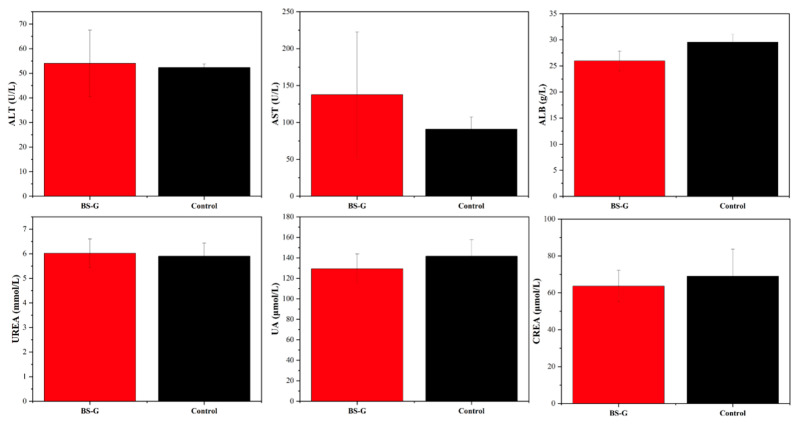
The structure and composition of natural bone show gradient changes. Most bone scaffolds prepared by bone tissue engineering with single materials and structures present difficulties in meeting the needs of bone defect repair. Based on the structure and composition of natural long bones, this study proposed a new bone scaffold preparation technology, the dual-phase composite forming process. Based on the composite use of multiple biomaterials, a bionic natural long bone structure bone scaffold model with bone scaffold pore structure gradient and material concentration gradient changes along the radial direction was designed. Different from the traditional method of using multiple nozzles to achieve material concentration gradient in the scaffold, the dual-phase composite forming process in this study achieved continuous 3D printing preparation of bone scaffolds with gradual material concentration gradient by controlling the speed of extruding materials from two feed barrels into a closed mixing chamber with one nozzle. Through morphological characterization and mechanical property analysis, the results showed that BS-G (radial gradient long bone scaffolds prepared by the dual-phase composite forming process) had obvious pore structure gradient changes and material concentration gradient changes, while BS-T (radial gradient long bone scaffolds prepared by printing three concentrations of material in separate regions) had a discontinuous gradient with obvious boundaries between the parts. The compressive strength of BS-G was 1.00 ± 0.19 MPa, which was higher than the compressive strength of BS-T, and the compressive strength of BS-G also met the needs of bone defect repair. The results of in vitro cell culture tests showed that BS-G had no cytotoxicity. In a Sprague-Dawley rat experimental model, blood tests and key organ sections showed no significant difference between the experimental group and the control group. The prepared BS-G was verified to have good biocompatibility and lays a foundation for the subsequent study of the bone repair effect of radial gradient long bone scaffolds in large animals.
天然骨的结构和组成呈现出梯度变化。大多数采用单一材料和结构通过骨组织工程制备的骨支架在满足骨缺损修复需求方面存在困难。基于天然长骨的结构和组成,本研究提出了一种新的骨支架制备技术——双相复合成型工艺。基于多种生物材料的复合使用,设计了一种仿生天然长骨结构的骨支架模型,其骨支架孔隙结构梯度和材料浓度梯度沿径向方向变化。与传统使用多个喷嘴在支架中实现材料浓度梯度的方法不同,本研究中的双相复合成型工艺通过控制从两个进料桶向一个带有一个喷嘴的封闭混合腔中挤出材料的速度,实现了具有逐渐材料浓度梯度的骨支架的连续3D打印制备。通过形态表征和力学性能分析,结果表明BS - G(通过双相复合成型工艺制备的径向梯度长骨支架)具有明显的孔隙结构梯度变化和材料浓度梯度变化,而BS - T(通过在不同区域打印三种浓度的材料制备的径向梯度长骨支架)具有不连续的梯度,各部分之间有明显的边界。BS - G的抗压强度为1.00±0.19MPa,高于BS - T的抗压强度,且BS - G的抗压强度也满足骨缺损修复的需求。体外细胞培养测试结果表明BS - G没有细胞毒性。在Sprague - Dawley大鼠实验模型中,血液检测和关键器官切片显示实验组与对照组之间没有显著差异。所制备的BS - G被证实具有良好的生物相容性,为后续研究径向梯度长骨支架在大型动物中的骨修复效果奠定了基础。