Murray State University, Murray, KY, USA.
Int J Biometeorol. 2024 Dec;68(12):2731-2742. doi: 10.1007/s00484-024-02785-4. Epub 2024 Sep 28.
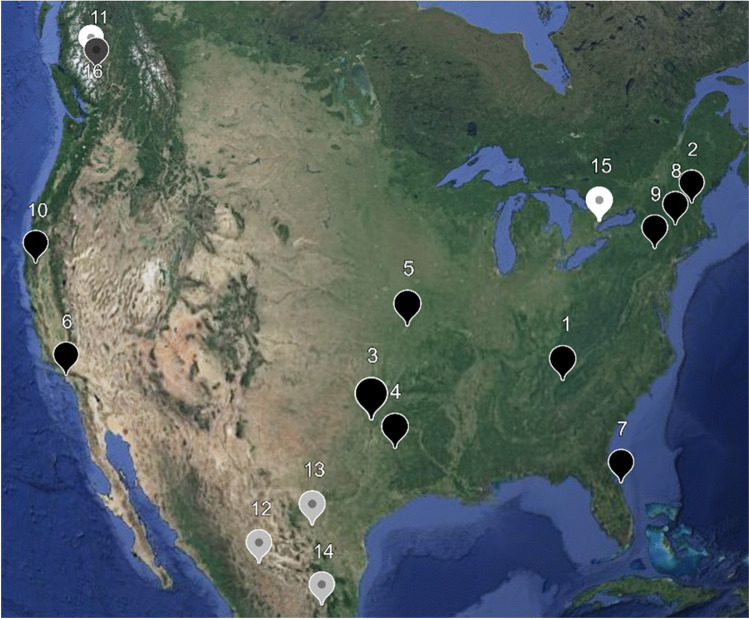
This study explores thermal stress conditions (i.e. heat, humidity, sunlight exposure) sports tourists can expect when attending the 2026 FIFA World Cup. Sports tourism's growth is driven by international mega-events like FIFA World Cups and Olympic Games. With planning ongoing for the 2026 FIFA World Cup football (soccer) tournament, what remains unstudied are the heat conditions spectators can expect at the 16 host stadiums in the United States, Mexico, and Canada. The inquiry is important considering (1) the tournament is taking place in warm-weather months of June and July, (2) thermal stress contributes to heat-related illnesses like heat stroke, and (3) many destination-bound tourists will be at elevated risk to heat. Accordingly, we report historical and forecasted thermal stress levels documenting expected conditions at each host stadium. Notably, forecasts indicate worsening thermal stress compared to long-term means, providing support for the study's methodology. Practical implications and limitations are provided.
本研究探讨了参加 2026 年国际足联世界杯的体育游客可能面临的热应激条件(即热、湿度、阳光暴露)。体育旅游的增长是由国际大型赛事(如国际足联世界杯和奥运会)推动的。随着 2026 年国际足联世界杯足球赛的筹备工作正在进行,仍有待研究的是在美国、墨西哥和加拿大的 16 个主办场馆观众可以预期的高温条件。考虑到以下几点,这一调查非常重要:(1)比赛将在 6 月和 7 月温暖的季节举行;(2)热应激会导致热相关疾病,如中暑;(3)许多前往目的地的游客将面临更高的中暑风险。因此,我们报告了记录每个主办场馆预期条件的历史和预测热应激水平。值得注意的是,预测显示与长期平均值相比,热应激情况恶化,为研究方法提供了支持。本研究还提供了实际意义和局限性。